Geschiedenissen van de islam in Nederland en Vlaanderen
Het heeft even geduurd na ons seminar in Leuven, maar het is er dan toch. Wat begon met het idee van één van mijn voormalige studenten, Vera Crienen, om collega’s bij elkaar te brengen...
An anthropology of Muslims in Europe - A modest attempt by Martijn
Het heeft even geduurd na ons seminar in Leuven, maar het is er dan toch. Wat begon met het idee van één van mijn voormalige studenten, Vera Crienen, om collega’s bij elkaar te brengen...
It took us six years, but I’m very pleased to announce that, at last, our book: Islamic Militant Activism in Belgium, the Netherlands and Germany – ‘Islands in a sea of disbelief’ (Palgrave 2020)...
Het boekje is gratis te downloaden via de site van KifKif en het papieren formaat is daar ook te bestellen. Zie HIER. De onderstaande tekst is een iets gewijzigde versie van mijn inleiding bij...
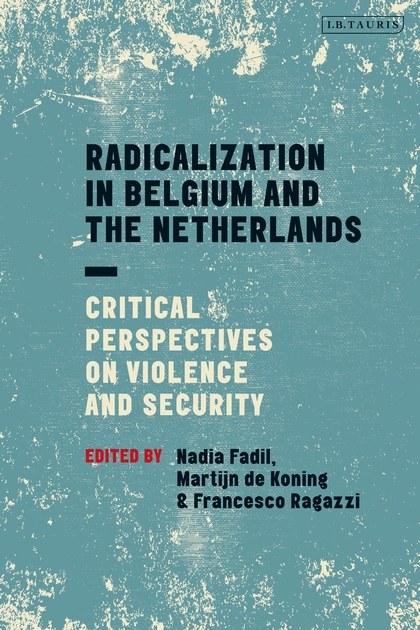
Inleidende lezing tijdens de boekpresentatie van Radicalization in Belgium and the Netherlands – Critical perspectives on violence and security (Bloomsbury, 2019) 12 juni jongstleden. Mede namens Nadia Fadil en Francesco Ragazzi heet ik u...
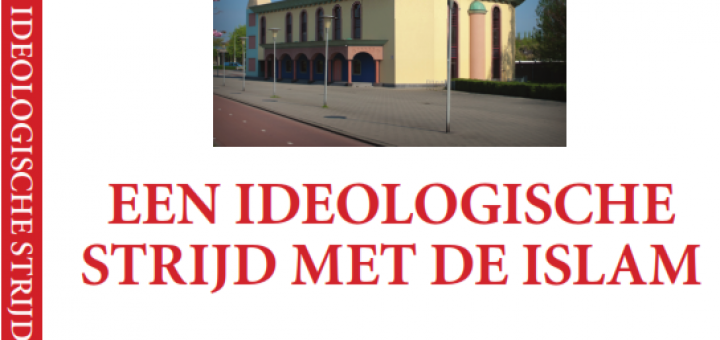
In dit essay bekijk ik hoe het gedachtegoed van Fortuyn zowel een continuering als een breuk met het verleden is in de racialisering van moslims.
Salafisme. Utopische idealen in een weerbarstige praktijk dat ik heb geschreven met Joas Wagemakers en Carmen Becker verschijnt op woensdag 14 mei.
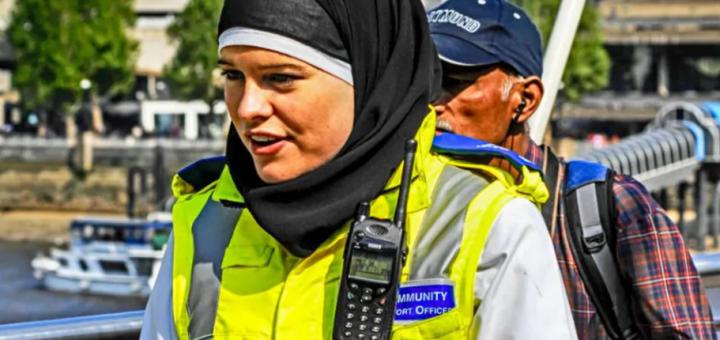
Voor het Cahier Politiestudies was ik uitgenodigd om een artikel te schrijven naar aanleiding van de discussie over de hoofddoek en het politie-uniform. In dit artikel ben ik niet zozeer geïnteresseerd in de vraag of...
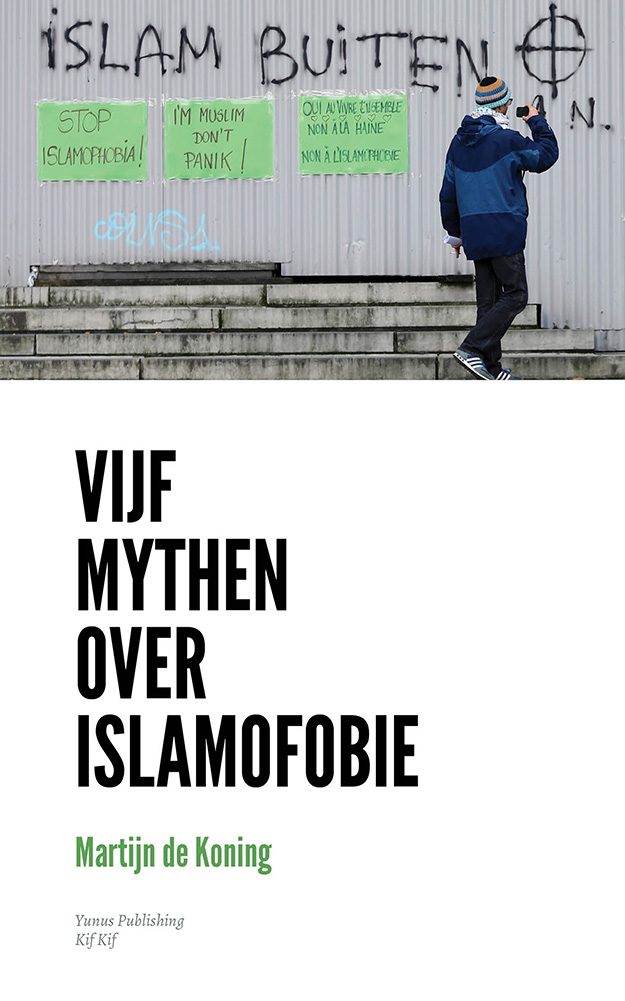
Afgelopen weekend lanceerde het Contactorgaan Moslims en Overheid (CMO) een meldpunt voor moskeebesturen om islamofobe voorvallen te melden: Meldvin. Vandalisme, bedreigingen, fysieke agressie komen regelmatig voor bij moskeeën en tegen moskeebezoekers, maar een structureel...
no, the attacks did not come out of the blue in 2001, and neither did Islamophobia.
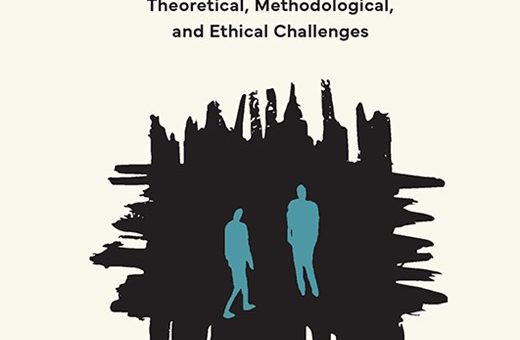
The volume Explaining Extreme Belief and Behavior: Theoretical, Methodological, and Ethical Challenges edited by Rik Peels and Lorne L. Dawson, turns the gaze of extremism research on the extremism research itself: fundamental theoretical and...
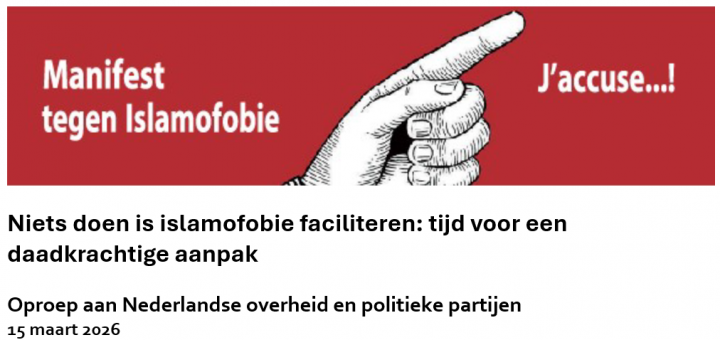
In het kader van de Internationale Dag tegen Islamofobie komt het Collectief tegen Islamofobie en Discriminatie (CTID) met de oproep om niet weg te kijken maar eindelijk te kiezen voor een daadkrachtige aanpak. De...
De afgelopen jaren hebben moskeeorganisaties en organisaties die islamofobie bestrijden steeds vaker te maken gekregen met gemeenten die ‘meer inzicht’ willen in wat er leeft binnen de Nederlandse moslimgemeenschappen. Vaak gebeurt dat in de...
You are invited to an afternoon discussion on 11 February among (and with) Annelies Moors, Nadia Bouras, Sarah Bracke and Jeroen Geurts. This event brings together scholars and research leaders to reflect on how contemporary systems of research management...
“It’s Your Business and My Business. It’s Our Business”—Making Solidarities with Palestine Work Among European Muslims This essay explores how solidarity with Palestine is made to work among Muslims in Europe today. It investigates...
Bijeenkomst over islamofobie en de opkomst van extreemrechts in het licht van de Tweede Kamerverkiezingen Datum: 19 september 16.00 uur Plaats: Oranje Kerk, Tweede Van der Helststraat 1-3 Amsterdam In het kader van de...
Deel 3, van de serie wat is islamofobie? Europa ziet zichzelf graag als neutraal en seculier: religie en politiek zouden gescheiden zijn en alle burgers gelijk behandeld. Maar in de praktijk blijkt dit ideaal niet altijd neutraal uit te pakken. Neutraliteit kan moslims beschermen tegen discriminatie, maar ook leiden tot uitsluiting – of zelfs al van meet af aan islamofoob zijn.