International Terrorism
You are looking at posts in the category International Terrorism.
| M | T | W | T | F | S | S |
|---|---|---|---|---|---|---|
| « Sep | ||||||
| 1 | 2 | 3 | 4 | |||
| 5 | 6 | 7 | 8 | 9 | 10 | 11 |
| 12 | 13 | 14 | 15 | 16 | 17 | 18 |
| 19 | 20 | 21 | 22 | 23 | 24 | 25 |
| 26 | 27 | 28 | 29 | 30 | 31 | |
Pages
- About
- C L O S E R moves to….C L O S E R
- Contact Me
- Interventions – Forces that Bind or Divide
- ISIM Review via Closer
- Publications
- Research
Categories
- (Upcoming) Events (33)
- [Online] Publications (26)
- Activism (117)
- anthropology (113)
- Method (13)
- Arts & culture (88)
- Asides (2)
- Blind Horses (33)
- Blogosphere (192)
- Burgerschapserie 2010 (50)
- Citizenship Carnival (5)
- Dudok (1)
- Featured (5)
- Gender, Kinship & Marriage Issues (265)
- Gouda Issues (91)
- Guest authors (58)
- Headline (76)
- Important Publications (159)
- Internal Debates (275)
- International Terrorism (437)
- ISIM Leiden (5)
- ISIM Research II (4)
- ISIM/RU Research (171)
- Islam in European History (2)
- Islam in the Netherlands (219)
- Islamnews (56)
- islamophobia (59)
- Joy Category (56)
- Marriage (1)
- Misc. News (891)
- Morocco (70)
- Multiculti Issues (749)
- Murder on theo Van Gogh and related issues (326)
- My Research (118)
- Notes from the Field (82)
- Panoptic Surveillance (4)
- Public Islam (244)
- Religion Other (109)
- Religious and Political Radicalization (635)
- Religious Movements (54)
- Research International (55)
- Research Tools (3)
- Ritual and Religious Experience (58)
- Society & Politics in the Middle East (159)
- Some personal considerations (146)
- Deep in the woods… (18)
- Stadsdebat Rotterdam (3)
- State of Science (5)
- Twitwa (5)
- Uncategorized (74)
- Young Muslims (459)
- Youth culture (as a practice) (157)
General
- ‘In the name of Allah, Most Gracious, Most Merciful’
- – Lotfi Haddi –
- …Kelaat Mgouna…….Ait Ouarchdik…
- ::–}{Nour Al-Islam}{–::
- Al-islam.nl De ware godsdienst voor Allah is de Islam
- Allah Is In The House
- Almaas
- amanullah.org
- Amr Khaled Official Website
- An Islam start page and Islamic search engine – Musalman.com
- arabesque.web-log.nl
- As-Siraat.net
- assadaaka.tk
- Assembley for the Protection of Hijab
- Authentieke Kennis
- Azaytouna – Meknes Azaytouna
- berichten over allochtonen in nederland – web-log.nl
- Bladi.net : Le Portail de la diaspora marocaine
- Bnai Avraham
- BrechtjesBlogje
- Classical Values
- De islam
- DimaDima.nl / De ware godsdienst? bij allah is de islam
- emel – the muslim lifestyle magazine
- Ethnically Incorrect
- fernaci
- Free Muslim Coalition Against Terrorism
- Frontaal Naakt. Ongesluierde opinies, interviews & achtergronden
- Hedendaagse wetenswaardigheden…
- History News Network
- Homepage Al Nisa
- hoofddoek.tk – Een hoofddoek, je goed recht?
- IMRA: International Muslima Rights Association
- Informed Comment
- Insight to Religions
- Instapundit.com
- Interesting Times
- Intro van Abdullah Biesheuvel
- islaam
- Islam Ijtihad World Politics Religion Liberal Islam Muslim Quran Islam in America
- Islam Ijtihad World Politics Religion Liberal Islam Muslim Quran Islam in America
- Islam Website: Islam, Islamic Studies, Arabic, Religion
- Islamforum
- Islamic Philosophy Online
- Islamica Magazine
- islamicate
- Islamophobia Watch
- Islamsevrouw.web-log.nl
- Islamwereld-alles wat je over de Islam wil weten…
- Jihad: War, Terrorism, and Peace in Islam
- JPilot Chat Room
- Madrid11.net
- Marocstart.nl – De marokkaanse startpagina!
- Maryams.Net – Muslim Women and their Islam
- Michel
- Modern Muslima.com
- Moslimjongeren Amsterdam
- Moslimjongeren.nl
- Muslim Peace Fellowship
- Muslim WakeUp! Sex & The Umma
- Muslimah Connection
- Muslims Against Terrorism (MAT)
- Mutma’inaa
- namira
- Otowi!
- Ramadan.NL
- Religion, World Religions, Comparative Religion – Just the facts on the world\’s religions.
- Ryan
- Sahabah
- Salafi Start Siden – The Salafi Start Page
- seifoullah.tk
- Sheikh Abd al Qadir Jilani Home Page
- Sidi Ahmed Ibn Mustafa Al Alawi Radhiya Allahu T’aala ‘Anhu (Islam, tasawuf – Sufism – Soufisme)
- Stichting Vangnet
- Storiesofmalika.web-log.nl
- Support Sanity – Israel / Palestine
- Tekenen van Allah\’s Bestaan op en in ons Lichaam
- Terrorism Unveiled
- The Coffee House | TPMCafe
- The Inter Faith Network for the UK
- The Ni’ma Foundation
- The Traveller’s Souk
- The \’Hofstad\’ terrorism trial – developments
- Thoughts & Readings
- Uitgeverij Momtazah | Helmond
- Un-veiled.net || Un-veiled Reflections
- Watan.nl
- Welkom bij Islamic webservices
- Welkom bij vangnet. De site voor islamitische jongeren!
- welkom moslim en niet moslims
- Yabiladi Maroc – Portail des Marocains dans le Monde
Dutch [Muslims] Blogs
- Hedendaagse wetenswaardigheden…
- Abdelhakim.nl
- Abdellah.nl
- Abdulwadud.web-log.nl
- Abou Jabir – web-log.nl
- Abu Bakker
- Abu Marwan Media Publikaties
- Acta Academica Tijdschrift voor Islam en Dialoog
- Ahamdoellilah – web-log.nl
- Ahlu Soennah – Abou Yunus
- Ahlul Hadeeth
- Ahlul Hadeeth
- Al Moudjahideen
- Al-Adzaan
- Al-Islaam: Bismilaahi Rahmaani Rahiem
- Alesha
- Alfeth.com
- Anoniempje.web-log.nl
- Ansaar at-Tawheed
- At-Tibyan Nederland
- beni-said.tk
- Blog van moemina3 – Skyrock.com
- bouchra
- CyberDjihad
- DE SCHRIJVENDE MOSLIMS
- DE VROLIJKE MOSLIM ;)
- Dewereldwachtopmij.web-log.nl
- Dien~oel~Islaam
- Eali.web-log.nl
- Een genade voor de werelden
- Enige wapen tegen de Waarheid is de leugen…
- ErTaN
- ewa
- Ezel & Os v2
- Gizoh.tk [.::De Site Voor Jou::.]
- Grappige, wijze verhalen van Nasreddin Hodja. Turkse humor.
- Hanifa Lillah
- hayya~ala~assalaah!
- Het laatste nieuws lees je als eerst op Maroc-Media
- Homow Universalizzz
- Ibn al-Qayyim
- IslaamLive Mail
- IslaamLive Mail
- Islam Blog – Juli 2007
- Islam in het Nieuws – web-log.nl
- Islam, een religie
- Islam, een religie
- Islamic Sisters – web-log.nl
- Islamiway’s Weblog
- Islamtawheed’s Blog
- Jihaad
- Jihad
- Journalista
- La Hawla Wa La Quwatta Illa Billah
- M O S L I M J O N G E R E N
- M.J.Ede – Moslimjongeren Ede
- Mahdi\’s Weblog | Vrijheid en het vrije woord | punt.nl: Je eigen gratis weblog, gratis fotoalbum, webmail, startpagina enz
- Maktab.nl (Zawaj – islamitische trouwsite)
- Marocdream.nl – Home
- Marokkaanse.web-log.nl
- Marokkanen Weblog
- Master Soul
- Miboon
- Miesjelle.web-log.nl
- Mijn Schatjes
- Moaz
- moeminway – web-log.nl
- Moslima_Y – web-log.nl
- mosta3inabilaah – web-log.nl
- Muhaajir in islamitisch Zuid-Oost Azië
- Mumin al-Bayda (English)
- Mustafa786.web-log.nl
- Oprecht – Poort tot de kennis
- Said.nl
- saifullah.nl – Jihad al-Haq begint hier!
- Salaam Aleikum
- Sayfoudien – web-log.nl
- soebhanAllah
- Soerah19.web-log.nl – web-log.nl
- Steun Palestina
- Stichting Moslimanetwerk
- Stories of Malika
- supermaroc
- Ummah Nieuws – web-log.nl
- Volkskrant Weblog — Alib Bondon
- Volkskrant Weblog — Moslima Journalista
- Vraag en antwoord…
- wat is Islam
- Wat is islam?
- Weblog – a la Maroc style
- website van Jamal
- Wij Blijven Hier
- Wij Blijven Hier
- www.BenAyad.be – Islam en Actua
- www.moslima.web-log.nl
- Yakini Time
- Youth Of Islam
- Youth Of Islam
- [fikra]
Non-Dutch Muslims Blogs
- Lanallah __Islamic BlogZine__
- This journey ends but only with The Beginning
- ‘the middle place’
- …Never Judge a Person By His or Her Blog…
- …under the tree…
- A Comment on PMUNA
- A Dervish’s Du`a’
- A Family in Baghdad
- A Garden of Children
- A Muslim Mother’s Thoughts / Islamic Parenting
- A Struggle in Uncertainty, Such is Life
- About Afghanistan
- adnan.org: good design, bad idea
- Afiyah
- Ahmeds World of Islam
- Al Musawwir
- Al-Musharaka
- Almiraya tBLOG – O, happy the soul that saw its own faults
- Almusawwir
- an open window
- Anak Alam
- aNaRcHo AkBaR
- Anthology
- AnthroGal’s World
- Arabian Passion
- ArRihla
- Articles Blog
- Asylum Seeker
- avari-nameh
- Baghdad Burning
- Being Noor Javed
- Bismillah
- bloggin’ muslimz.. Linking Muslim bloggers around the globe
- Blogging Islamic Perspective
- Chapati Mystery
- City of Brass – Principled pragmatism at the maghrib of one age, the fajr of another
- COUNTERCOLUMN: All Your Bias Are Belong to Us
- d i z z y l i m i t s . c o m >> muslim sisters united w e b r i n g
- Dar-al-Masnavi
- Day in the life of an American Muslim Woman
- Don’t Shoot!…
- eat-halal guy
- Eye on Gay Muslims
- Eye on Gay Muslims
- Figuring it all out for nearly one quarter of a century
- Free Alaa!
- Friends, Romans, Countrymen…. lend me 5 bux!
- From Peer to Peer ~ A Weblog about P2P File & Idea Sharing and More…
- Ghost of a flea
- Ginny’s Thoughts and Things
- God, Faith, and a Pen: The Official Blog of Dr. Hesham A. Hassaballa
- Golublog
- Green Data
- gulfreporter
- Hadeeth Blog
- Hadouta
- Hello from the land of the Pharaoh
- Hello From the land of the Pharaohs Egypt
- Hijabi Madness
- Hijabified
- HijabMan’s Blog
- Ihsan-net
- Inactivity
- Indigo Jo Blogs
- Iraq Blog Count
- Islam 4 Real
- Islamiblog
- Islamicly Locked
- Izzy Mo’s Blog
- Izzy Mo’s Blog
- Jaded Soul…….Unplugged…..
- Jeneva un-Kay-jed- My Bad Behavior Sanctuary
- K-A-L-E-I-D-O-S-C-O-P-E
- Lawrence of Cyberia
- Letter From Bahrain
- Life of an American Muslim SAHM whose dh is working in Iraq
- Manal and Alaa\’s bit bucket | free speech from the bletches
- Me Vs. MysElF
- Mental Mayhem
- Mere Islam
- Mind, Body, Soul : Blog
- Mohammad Ali Abtahi Webnevesht
- MoorishGirl
- Muslim Apple
- muslim blogs
- Muslims Under Progress…
- My heart speaks
- My Little Bubble
- My Thoughts
- Myself | Hossein Derakhshan’s weblog (English)
- neurotic Iraqi wife
- NINHAJABA
- Niqaabi Forever, Insha-Allah Blog with Islamic nasheeds and lectures from traditional Islamic scholars
- Niqabified: Irrelevant
- O Muhammad!
- Otowi!
- Pak Positive – Pakistani News for the Rest of Us
- Periphery
- Pictures in Baghdad
- PM’s World
- Positive Muslim News
- Procrastination
- Prophet Muhammad
- Queer Jihad
- Radical Muslim
- Raed in the Middle
- RAMBLING MONOLOGUES
- Rendering Islam
- Renegade Masjid
- Rooznegar, Sina Motallebi’s WebGard
- Sabbah’s Blog
- Salam Pax – The Baghdad Blog
- Saracen.nu
- Scarlet Thisbe
- Searching for Truth in a World of Mirrors
- Seeing the Dawn
- Seeker’s Digest
- Seekersdigest.org
- shut up you fat whiner!
- Simply Islam
- Sister Scorpion
- Sister Soljah
- Sister Surviving
- Slow Motion in Style
- Sunni Sister: Blahg Blahg Blahg
- Suzzy’s id is breaking loose…
- tell me a secret
- The Arab Street Files
- The Beirut Spring
- The Islamic Feminista
- The Land of Sad Oranges
- The Muslim Contrarian
- The Muslim Postcolonial
- The Progressive Muslims Union North America Debate
- The Rosetta Stone
- The Traceless Warrior
- The Wayfarer
- TheDesertTimes
- think halal: the muslim group weblog
- Thoughts & Readings
- Through Muslim Eyes
- Turkish Torque
- Uncertainty:Iman and Farid’s Iranian weblog
- UNMEDIA: principled pragmatism
- UNN – Usayd Network News
- Uzer.Aurjee?
- Various blogs by Muslims in the West. – Google Co-op
- washed away memories…
- Welcome to MythandCulture.com and to daily Arrows – Mythologist, Maggie Macary’s blog
- word gets around
- Writeous Sister
- Writersblot Home Page
- www.BenAyad.be – Islam en Actua
- www.Mas’ud’s blog
- \’Aqoul
- ~*choco-bean*~
General Islam Sites
- :: Islam Channel :: – Welcome to IslamChannel Official Website
- Ad3iyah(smeekbeden)
- Al-maktoum Islamic Centre Rotterdam
- Assalamoe Aleikoem Warhmatoe Allahi Wa Barakatuhoe.
- BouG.tk
- Dades Islam en Youngsterdam
- Haq Islam – One stop portal for Islam on the web!
- Hight School Teacher Muhammad al-Harbi\’s Case
- Ibn Taymiyah Pages
- Iskandri
- Islam
- Islam Always Tomorrow Yesterday Today
- Islam denounces terrorism.com
- Islam Home
- islam-internet.nl
- Islamic Artists Society
- Leicester~Muslims
- Mere Islam
- MuslimSpace.com | MuslimSpace.com, The Premiere Muslim Portal
- Safra Project
- Saleel.com
- Sparkly Water
- Statements Against Terror
- Understand Islam
- Welcome to Imaan UK website
Islamic Scholars
Social Sciences Scholars
- ‘ilm al-insaan: Talking About the Talk
- :: .. :: zerzaust :: .. ::
- After Sept. 11: Perspectives from the Social Sciences
- Andrea Ben Lassoued
- Anth 310 – Islam in the Modern World (Spring 2002)
- anthro:politico
- AnthroBase – Social and Cultural Anthropology – A searchable database of anthropological texts
- AnthroBlogs
- AnthroBoundaries
- Anthropologist Community
- anthropology blogs
- antropologi.info – Social and Cultural Anthropology in the News
- Arabist Jansen
- Between Secularization and Religionization Vrije Universiteit Amsterdam
- Bin Gregory Productions
- Blog van het Blaise Pascal Instituut
- Boas Blog
- Causes of Conflict – Thoughts on Religion, Identity and the Middle East (David Hume)
- Cicilie among the Parisians
- Cognitive Anthropology
- Comunidade Imaginada
- Cosmic Variance
- Critical Muslims
- danah boyd
- Deep Thought
- Dienekes’ Anthropology Blog
- Digital Islam
- Erkan\’s field diary
- Ethno::log
- Evamaria\’s ramblings –
- Evan F. Kohlmann – International Terrorism Consultant
- Experimental Philosophy
- For the record
- Forum Fridinum [Religionresearch.org]
- Fragments weblog
- From an Anthropological Perspective
- Gregory Bateson
- Islam & Muslims in Europe *)
- Islam, Islamic Studies, Arabic, Religion
- Islam, Muslims, and an Anthropologist
- Jeremy’s Weblog
- JourneyWoman
- Juan Cole – ‘Documents on Terrorist Abu Musab al-Zarqawi’
- Keywords
- Kijken naar de pers
- languagehat.com
- Left2Right
- Leiter Reports
- Levinas and multicultural society
- Links on Islam and Muslims
- log.squig.org
- Making Anthropology Public
- Martijn de Koning Research Pages / Onderzoekspaginas
- Material World
- MensenStreken
- Modern Mass Media, Religion and the Imagination of Communities
- Moroccan Politics and Perspectives
- Multicultural Netherlands
- My blog’s in Cambridge, but my heart is in Accra
- National Study of Youth and Religion
- Natures/Cultures
- Nomadic Thoughts
- On the Human
- Philip Greenspun’s Weblog:
- Photoethnography.com home page – a resource for photoethnographers
- Qahwa Sada
- RACIAL REALITY BLOG
- Religion Gateway – Academic Info
- Religion News Blog
- Religion Newswriters Association
- Religion Research
- rikcoolsaet.be – Rik Coolsaet – Homepage
- Rites [Religionresearch.org]
- Savage Minds: Notes and Queries in Anthropology – A Group Blog
- Somatosphere
- Space and Culture
- Strange Doctrines
- TayoBlog
- Teaching Anthropology
- The Angry Anthropologist
- The Gadflyer
- The Immanent Frame | Secularism, religion and the public sphere
- The Onion
- The Panda\’s Thumb
- TheAnthroGeek
- This Blog Sits at the
- This Blog Sits at the intersection of Anthropology & Economics
- verbal privilege
- Virtually Islamic: Research and News about Islam in the Digital Age
- Wanna be an Anthropologist
- Welcome to Framing Muslims – International Research Network
- Yahya Birt
Women's Blogs / Sites
- * DURRA * Danielle Durst Britt
- -Fear Allah as He should be Feared-
- a literary silhouette
- a literary silhouette
- A Thought in the Kingdom of Lunacy
- AlMaas – Diamant
- altmuslimah.com – exploring both sides of the gender divide
- Assalaam oe allaikoum Nour al Islam
- Atralnada (Morning Dew)
- ayla\’s perspective shifts
- Beautiful Amygdala
- bouchra
- Boulevard of Broken Dreams
- Chadia17
- Claiming Equal Citizenship
- Dervish
- Fantasy web-log – web-log.nl
- Farah\’s Sowaleef
- Green Tea
- hayya~ala~assalaah!
- Hilsen Fra …
- Islamucation
- kaleidomuslima: fragments of my life
- Laila Lalami
- Marhaban.web-log.nl – web-log.nl
- Moslima_Y – web-log.nl
- Muslim-Refusenik The official website of Irshad Manji
- Myrtus
- Noor al-Islaam – web-log.nl
- Oh You Who Believe…
- Raising Yousuf: a diary of a mother under occupation
- SAFspace
- Salika Sufisticate
- Saloua.nl
- Saudi Eve
- SOUL, HEART, MIND, AND BODY…
- Spirit21 – Shelina Zahra Janmohamed
- Sweep the Sunshine | the mundane is the edge of glory
- Taslima Nasrin
- The Color of Rain
- The Muslimah
- Thoughts Of A Traveller
- Volkskrant Weblog — Islam, een goed geloof
- Weblog Raja Felgata | Koffie Verkeerd – The Battle | punt.nl: Je eigen gratis weblog, gratis fotoalbum, webmail, startpagina enz
- Weblog Raja Felgata | WRF
- Writing is Busy Idleness
- www.moslima.web-log.nl
- Zeitgeistgirl
- Zusters in Islam
- ~:: MARYAM ::~ Tasawwuf Blog
Ritueel en religieuze beleving Nederland
- – Alfeth.com – NL
- :: Al Basair ::
- Abu Marwan Media Publikaties
- Ahlalbait Jongeren
- Ahlul Hadeeth
- Ahlul Hadeeth
- Al-Amien… De Betrouwbare – Home
- Al-Ummah
- Al-Ummah
- Al-Ummah
- Al-Wasatiyyah.com – Home
- Anwaar al-Islaam
- anwaaralislaam.tk
- Aqiedah’s Weblog
- Arabische Lessen – Home
- Arabische Lessen – Home
- Arrayaan.net
- At-taqwa.nl
- Begrijp Islam
- Bismillaah – deboodschap.com
- Citaten van de Salaf
- Dar al-Tarjama WebSite
- Dawah-online.com
- de koraan
- de koraan
- De Koran . net – Het Islaamitische Fundament op het Net – Home
- De Leidraad, een leidraad voor je leven
- Dien~oel~Islaam
- Dien~oel~Islaam
- Faadi Community
- Ghimaar
- hayya~ala~assalaah!
- hayya~ala~assalaah!
- Ibn al-Qayyim
- IMAM-MALIK-Alles over Islam
- IQRA ROOM – Koran studie groep
- Islaam voor iedereen
- Islaam voor iedereen
- Islaam: Terugkeer naar het Boek (Qor-aan) en de Soennah volgens het begrip van de Vrome Voorgangers… – Home
- Islaam: Terugkeer naar het Boek (Qor-aan) en de Soennah volgens het begrip van de Vrome Voorgangers… – Home
- IslaamLive Mail
- IslaamLive Mail
- IslaamLive Mail
- islam :: messageboard
- Islam City NL, Islam en meer
- Islam, een religie
- Islamia.nl – Islamic Shop – Islamitische Winkel
- Islamitische kleding
- Islamitische kleding
- Islamitische smeekbedes
- islamtoday
- islamvoorjou – Informatie over Islam, Koran en Soenah
- kebdani.tk
- KoranOnline.NL
- Lees de Koran – Een Openbaring voor de Mensheid
- Lifemakers NL
- Marocstart.nl | Islam & Koran Startpagina
- Miesbahoel Islam Zwolle
- Mocrodream Forums
- Moslims in Almere
- Moslims online jong en vernieuwend
- Nihedmoslima
- Oprecht – Poort tot de kennis
- Quraan.nl :: quran koran kuran koeran quran-voice alquran :: Luister online naar de Quraan
- Quraan.nl online quraan recitaties :: Koran quran islam allah mohammed god al-islam moslim
- Selefie Nederland
- Stichting Al Hoeda Wa Noer
- Stichting Al Islah
- StION Stichting Islamitische Organisatie Nederland – Ahlus Sunnat Wal Djama\’ah
- Sunni Publicaties
- Sunni.nl – Home
- Teksten van Aboe Ismaiel
- Terug Naar De Dien – Home
- Terug Naar De Dien – Home
- Terug Naar De Dien – Home
- Uw Keuze
- www.ahloelhadieth.com
- www.ahloelhadieth.com
- www.al-thabaat.com
- www.hijaab.com
- www.uwkeuze.net
- Youth Of Islam
- Zegswijzen van de Wijzen
- \’\’ Leid ons op het rechte pad het pad degenen aan wie Gij gunsten hebt geschonken\’\’
Muslim News
Moslims & Maatschappij
Arts & Culture
- : : SamiYusuf.com : : Copyright Awakening 2006 : :
- amir normandi, photographer – bio
- Ani – SINGING FOR THE SOUL OF ISLAM – HOME
- ARTEEAST.ORG
- AZIZ
- Enter into The Home Website Of Mecca2Medina
- Kalima Translation – Reviving Translation in the Arab world
- lemonaa.tk
- MWNF – Museum With No Frontiers – Discover Islamic Art
- Nader Sadek
Misc.
'Fundamentalism'
Islam & commerce
2
Morocco
[Online] Publications
- ACVZ :: | Preliminary Studies | About marriage: choosing a spouse and the issue of forced marriages among Maroccans, Turks and Hindostani in the Netherlands
- ACVZ :: | Voorstudies | Over het huwelijk gesproken: partnerkeuze en gedwongen huwelijken onder Marokkaanse, Turkse en Hindostaanse Nederlanders
- Kennislink – ‘Dit is geen poep wat ik praat’
- Kennislink – Nederlandse moslims
Religious Movements
- :: Al Basair ::
- :: al Haqq :: de waarheid van de Islam ::
- ::Kalamullah.Com::
- Ahloelhadieth.com
- Ahlul Hadeeth
- al-Madinah (Medina) The City of Prophecy ; Islamic University of Madinah (Medina), Life in Madinah (Medina), Saudi Arabia
- American Students in Madinah
- Aqiedah’s Weblog
- Dar al-Tarjama WebSite
- Faith Over Fear – Feiz Muhammad
- Instituut voor Opvoeding & Educatie
- IslaamLive Mail
- IslaamLive Mail
- islamtoday
- Moderate Muslims Refuted
- Rise And Fall Of Salafi Movement in the US by Umar Lee
- Selefie Dawah Nederland
- Selefie Nederland
- Selefienederland
- Stichting Al Hoeda Wa Noer
- Teksten van Aboe Ismaiel
- www.ahloelhadieth.com
- www.BenAyad.be – Islam en Actua
- Youth Of Islam

Fear and Loathing in Europe
Posted on October 5th, 2011 by martijn.
Categories: Activism, International Terrorism, Murder on theo Van Gogh and related issues, Religious and Political Radicalization, Some personal considerations.
The following text was used for a spoken column at the ICCT’s expert meeting on Freedom from Fear: Answering Terrorism with Public Resilience on 3 October 2011. In this expert meeting the dilemma between fighting terrorism effectively by high-profile policies and the consequence that such measures might instil fear in the public was central in the contributions and debates.
 It was probably in September 1219, almost 800 years ago, when a Christian monk stood before the sultan of Egypt, Malik al-Kamil. It was the time of the Crusades and this monk had the audacity of telling the sultan in his own quarters that he was on the wrong path, misled by a false prophet and that in order to preserve his own soul he’d better convert to Christianity. The monk had renounced his riches and his heritage to pursue a life of poverty and preaching modelled on that of the Apostles in which martyrdom was the highest reward. This monk like many who followed him tried to convert Muslims not by engaging in a dialogue with restraint and eloquence but by insulting and hoping those aggressive Muslims would kill them and allowing them to go to heaven as a martyr. Those following this monk for example went to the Caliph in Spain and attempted to convert the Caliph by saying many bad things about Muhammad and his damnable law. They were imprisoned and tortured but persevered in their insults and sacrilege. Through their determination they succeeded in becoming martyrs and when the monk heard the news of his five brothers he stated that:‘Now I can truly say that I have five brothers’. Other sources however claim that he responded by saying ‘‘let everyone be glorified by his own martyrdom and not by that of others!’’. Apparently the martyrs caused ambivalent emotions whereby some look with doubt at this active embrace of suicide by preaching while others held great admiration for such an active quest of martyrdom.
Nowadays such people would be seen as fanatic, erratic people threatening the social fabric of society at least but also fearing that such a fanatic search for martyrdom may lead up to horrible events such as 9/11 and the killing of Theo van Gogh. It is people like them and the fear of what they do or might do that has led to what my colleague Beatrice de Graaf has called a securitization of society. Such a securitization occurs after tragic events that are perceived as exceptional, threatening an order that is good, just and beneficial. Such events produce fear and these fears in turn create the need of risk containment in which phenomena that are perceived as different or even incompatible with what is normal and acceptable, are framed as security risks. Of course bad things have happened and fear is a normal, natural human emotion, even very sensible when you are faced with danger. But this naturalization of fear renders invisible that political entrepreneurs connect fear with existing social fault lines such as inequality, ethnicity and religion. The risk of an economic meltdown becomes a fear for the callousness of the Greek, feelings of insecurity caused by young boys hanging about on streets and apparently engaging in useless chatter and boredom becomes fear for Moroccan streetterrorists and fear for terror attacks becomes fear for Muslims.
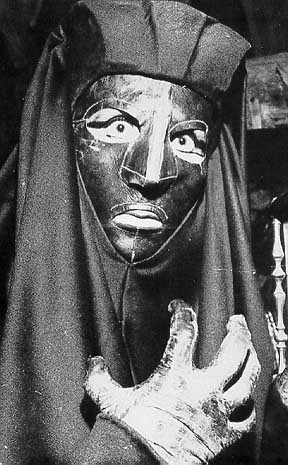 Although in the Netherlands there are more problems reported by schools and police with radical right wing youth and we have on average one mosque or Islamic school being vandalized or worse every 2 months, we have set up a policy that has to contain the threat coming from those Muslims. Take for example the recent proposal for banning the burqa in several European countries, including the Netherlands. One of the reasons is public safety; the apparent need to see each others faces in public. The ban however does not produce safety, it produces fear. Where only about 300 women wear the face veil in the Netherlands, the public now is convinced that we can see them everywhere and that tens of thousands of Muslim women wear it.
Other measures to increase public safety include more leeway for intelligence services to monitor and disturb people’s lives; even when there is no official charge, the US last week killed an American civilian Anwar al-Awlaki believed to be an Al Qaeda leader on foreign soil with no official charge or proof, the Dutch evicted several Muslim migrants being implicated in terrorist activities without any charge, the Dutch are active of supporters of the war on terror that caused the deaths of thousands and thousands innocent civilians in Iraq, Afghanistan and Africa. So if we talk about fear and safety, whose fear and whose safety do we actually mean? After 9/11 the whole risk management idea has turned into a political and commercial ritual that intends to magically reinforce safety but produces feelings of fear and aversion. In the preface of one of my favourite novels, Fear and loathing in Las Vegas, English writer Samuel Johnsson is quoted stating: “He who makes a beast of himself gets rid of the pain of being a man.” The quote refers to the book’s main character’s drug abuse in trying to escape the harsh vulnerabilities of American life and to the books main theme the failure of American counterculture to provide a lasting answer to the harsh realities. Fear is a drug, and policies and management tactics combined with politicians who use feelings of insecurity and plead loudly for ever harder measures to resolve fear, are nothing less than socially accepted models to achieve ritualistic highs and illusions of safety that in the end do nothing except than cultivate that fear.
The “Wave Speech” from Justin Grevich on Vimeo.
The cultivation of fear does not only affect people’s daily lives directly, but also our memories that keep the fear for the Other alive. This year on 9/11 the Moroccan-Dutch goalkeeper of a Dutch soccer team, Khalid Sinouh, tweeted he wanted ‘to concentrate on the present’ and that he ‘felt a little tired of all that 9/11 propaganda’ and closed it with ‘pffff’. The soccer team, Philips Sports Association (PSV) distanced itself from his statements and emphasized the goalkeeper made his statement as a private person (and therefore not as a representative of PSV). The case refers to the monopolization of meaning and memory whereby the purpose of such ceremonials, as French historian Renan has noted, is nothing but the reaffirming of group loyalty rather than the establishing of historical accuracy, let alone the presenting of an event in all its moral and political complexity. To remember is not just grieving it may also mean to harbor a vision of securing justice or vengeance long after it is time to put the guns away. Part of what happens in this production of memory and solidarity is the monopolization of the meaning of ’9/11?. I saw many people on twitter saying now is not the time of saying but let’s think of the thousands of children in Africa dying or let’s think about the victims of the War on Terror. If we say our thoughts go to the victims of 9/11, we of course mean to victims of the terrorist attack that hit the US that day, not other people in the US or elsewhere. The negative, and sometimes downright hostile, comments on the tweets of the Moroccan-Dutch goalie show that we ought to remember 9/11 in a particular way; with our thoughts focused on one particular event, one particular category of victims. The commemoration shows a world caught in arms, hate, and fear.
Now of course there is nothing wrong with risk management, counter-radicalization policies and public commemorations perse, but we should recognize that with the attempt to produce safety we also produce meaning. Given the intended and unintended negative consequences of public risk management and such commemorations, alternatives should be considered. This is possible. Remember the monk I was talking about in the beginning? This man desperately looking for salvation through martyrdom is now presented as an animal lover, pacifist and a Christian committed to dialogue. It maybe hard to believe that he once affirmed the false idea that it was a ‘a Muslim belief’ apparently widespread ‘at that time’ that to kill a Christian was a sure path to salvation. It may be hard to imagine that one day we actually celebrate a feast dedicated to the monk. But that is what we do. Tomorrow we on October 4 we celebrate the Feast of St Francis of Assisi. It is a also a day for animals, in Dutch dierendag, a popular day for pets to be “blessed”. I wish you a blessed day as well.

‘Tired of 9/11’: Remembering as a dogma and creed
Posted on September 14th, 2011 by martijn.
Categories: International Terrorism, Murder on theo Van Gogh and related issues, Some personal considerations.
Is it possible to have a commemoration that includes alternative meanings of 9/11 and that produces alternative forms of solidarity and public memory? (more…)
'Tired of 9/11': Remembering as a dogma and creed
Posted on September 14th, 2011 by martijn.
Categories: International Terrorism, Murder on theo Van Gogh and related issues, Some personal considerations.
Is it possible to have a commemoration that includes alternative meanings of 9/11 and that produces alternative forms of solidarity and public memory? (more…)
Closing the week 36 – The Remains of That Day 9/11
Posted on September 11th, 2011 by martijn.
Categories: Blogosphere, International Terrorism, Murder on theo Van Gogh and related issues, Religious and Political Radicalization.
Most popular on Closer this week
- Radicalization Series VI – Muslims and Radicalization: What do we know?
- Wikileaks: De VS, Nederlandse moslims en (anti-)radicalisering
- Moskee Slotervaart Amsterdam in Koeweit
If you want to stay updated and did not subscribe yet, you can do so HERE
You can follow me on Twitter: Martijn5155
Featuring The Remains of that Day: 9/11
Memory and relics
Daniel Silliman: 9/11 relics
Religion, Peter Berger once said, is the audacious proposal that human activities are cosmically meaningful.
In this sense, some of the remembrances and relics of 9/11 are deeply religious. Curiously so.
Memories of 9/11 tragedy preserved – Philly.com
“What you find at most archaeological sites, ancient and modern, are things that are mundane, a part of daily life, so that is our mission here,” said Kate Quinn, the Penn Museum’s director of exhibitions.
Quinn said the September 11 museum lent Penn things that fulfill that goal of everyday items transformed – eyeglasses, a computer keyboard, visitor badges – that were unearthed during the excavations at ground zero.
“Archaeology usually tells us something about ancient times, but this is history, too, even if it is only 10 years old,” Quinn said.
I knew I had to do it eventually, and I had to do it by today. When I saw that the VAMP theme for August was “Alternate Endings,” I knew exactly what to do. I wrote it in two hours; it exploded out of me. I’m sure it could be honed here and there, but I like the raw weirdness of it. What follows are my remarks as prepared for delivery. In the video, the last word is “possibility,” and I swallowed it for some reason. Also, I apologize for the sound quality; I don’t really know what I’m doing. Anyway:
Through the fragments of 9/11 » Knoxville News Sentinel
After the collapse of the south tower of the World Trade Center in New York, the first of the wounded, including four members of the New York City Medical Examiners Office, with Amy Mundorff, second from left, are brought via boat across the Hudson River to a triage area in Jersey City, N.J., September 11, 2001. Mundorff now teaches forensic anthropology at the University of Tennessee. (Chip East / Special to the News Sentinel)
The September 11th Industry | homophilosophicus
In the face of such horror however, a great hope was born on the streets ofManhattanten years ago today. On the television and on the radio inAmericaand around the world, millions witnessed the beautiful transformation of apparently cold New Yorkers into heroes and martyrs. Women and men in workaday suits and uniforms walked, often to certain death, into grave danger to reach the hands of other human beings whom they had never before met. In the sudden depths of catastrophe ordinary people took it upon themselves to become extraordinary. For all of our perceptions of the Big Apple as a cruel and hard place, it was the everyday New Yorker who reminded us that we are human. For all of the loss and the fear and the despair, there was a flash of something truly brilliant from the rubble and dust that day.
Reflecting on 9/11: Humanizing war
When I chose to enlist, I didn’t feel any great patriotic call. Our integrity as a nation never depended on me killing people in other countries. I didn’t have any college prospects—my GPA was a 1.17—and I didn’t want to end up as another pothead or meth-head in the rust belt. I wanted to blow shit up and kill people. Nobody in specific, no ethnic prejudice or anything stupid like that, I just wanted to shoot endless bad guys wearing the same clothes as each other, like in Goldeneye. Maybe pick up their ammo when I ran low.
‘A deeper meaning’: How 9/11 changed one Vermonter – for good: Rutland Herald Online
Ten years later, Michael realizes the eyewitness details he remembers were only the start of a larger story.
Column: Forgetting 9/11 Would Be a Tragedy – Long Valley, NJ Patch
Every person in this nation has differing opinions on the course of action America took in years following the deadliest attack on U.S. soil, but Sept. 11, 2001, in my opinion, is a day that cannot be forgotten.
9/11: Are We All Moral Monsters?
9/11 reveals often-hidden facts in our own anthropology: that we are all 9/11-enabled human beings, and we are all scared of our own mortality.
Marking the Tenth Anniversary of 9/11 : The New Yorker
For those in the immediate vicinity, the horror was of course immediate and unmistakable; it occurred in what we have learned to call real time, and in real space. For those farther away—whether a few dozen blocks or halfway around the world—who were made witnesses by the long lens of television, the events were seen as through a glass, brightly. Their reality was visible but not palpable. It took hours to begin to comprehend their magnitude; it is taking days for the defensive numbness they induced to wear off; it will take months—or years—to measure their impact and meaning.
The meaning of 9/11’s most controversial photo | Jonathan Jones | Comment is free | guardian.co.uk
http://static.guim.co.uk/sys-images/Guardian/Pix/pictures/2011/9/2/1314964814888/Young-people-chat-as-the–005.jpg In the photograph Thomas Hoepker took on 11 September 2001, a group of New Yorkers sit chatting in the sun in a park in Brooklyn. Behind them, across brilliant blue water, in an azure sky, a terrible cloud of smoke and dust rises above lower Manhattan from the place where two towers were struck by hijacked airliners this same morning and have collapsed, killing, by fire, smoke, falling or jumping or crushing and tearing and fragmentation in the buildings’ final fall, nearly 3,000 people.
Museum Anthropology: 9/11 Museum Human Remains Controversy
The brewing controversy over the unidentified human remains at the new 9/11 Museum has hit the news. Full disclosure, Dr. Chip has been involved with some of the grass-roots advocacy groups. We believe this is an important issue for all museum anthropologists, as it creates an important dialogue that asks about how the profession treats all human remains in the museum context, the intersection of memorials and museums, the nature and process of consultation, and how we might respond should another attack of such a magnitude come.
An Anthropological Preview of the Post-9/11 World « ZERO ANTHROPOLOGY
Imagine this scenario for 2002 – science fiction a short while ago, exceedingly likely now. The world had entered the paranoid phase of globalisation. Countries were neither at war nor not at war. Detailed surveillance of citizens and quixotic imprisonment of individuals became commonplace. Politicians eagerly elaborated on the imminent threat of terrorist attacks, thereby justifying ever more draconian measures. Radical humanist networks and human rights groups were ostracised for their lack of loyalty and structural similarities to terrorist groups. Yet everybody, including the politicians, knew in their heart of hearts that turning the citizenry into potential enemies would only aggravate the problem.
In the aftermath of a disaster, calls for the replacement, replication and reproduction of that which has been lost represent a yearning for a return to normal. Yet a full return to any pre-disaster “normal” is impossible as the physical and emotional rupture of tragedy transforms everything and everybody. That which has been lost is irreplaceable, even if what may appear to be the original form is rebuilt. There is no unadulterated replacement, only re/placement. To break down this word:
Watch Videos Online | Other 9/11s Remembered – DN! | Veoh.com
Watch Other 9/11s Remembered – DN! in News | View More Free Videos Online at Veoh.com
Social scientists on 9/11 and its aftermath
10 Years Later: Islam in the U.S. – YouTube
http://www.youtube.com/watch?v=ELKoWgKeSQo
Robert Hefner, professor of anthropology and director of the Institute on Culture, Religion, and World Affairs (CURA) at Boston University, discusses the state of Islam and Muslim society in the U.S. since the September 11th terrorist attacks.
Shaped by 9/11: UMBC Researchers Reflect – YouTube
http://www.youtube.com/watch?v=4VsXOjXJ7Nk
The events of September 11, 2001 changed course of history. To some faculty at the University of Maryland, Baltimore County (UMBC), particularly those early in their careers, they also changed the course of their life’s work. The attacks and subsequent wars in Iraq and Afghanistan led them to study new issues and respond to new needs. This video includes reflections from Dr. Rebecca Adelman, who examines imagery of the War on Terror, and Dr. Seth Messinger, who works with veterans recovering from limb loss.
Because the Sept. 11 attacks happened on U.S. soil, it makes sense that they might have had a more profound impact in the United States than in Western Europe.
John BowenBowen
But the location of the attacks isn’t the only reason for that, says John R. Bowen, PhD, an anthropology and religious studies professor, both in Arts & Sciences, at Washington University in St. Louis, who has spent the past 10 years studying Islam and civil law in France and England.
Key differences in how Muslims were perceived before 9/11 in the United States and Western Europe played a key role in how much — or how little — attitudes on Muslims changed after 9/11, Bowen says.
“After 9/11, many in the United States came to fear American Muslims for the first time; most knew nothing about Islam,” says Bowen, PhD, the Dunbar-Van Cleve Professor in Arts & Sciences. “But fear of Muslims already was present in parts of Europe.”
Al-Qaeda Is Winning – Daveed Gartenstein-Ross – International – The Atlantic
A decade after the attacks of September 11, 2001, national security opinion leaders are converging around the ideas that the threat of terrorism has been substantially reduced over the past 10 years, and that al-Qaeda is on its death bed. “Al-Qaeda is sort of on the ropes and taking a lot of shots to the body and the head,” White House counterterrorism chief John Brennan told the Associated Press on August 31. Defense secretary Leon Panetta said in July that the United States is “within reach” of “strategically defeating” the jihadi group, and the Washington Post has confirmed that his assessment is shared by many analysts. Commentators in the public sphere are increasingly adopting similar views. But my own research into the group has led me in a different direction: that this emerging consensus doesn’t just appear wrong, but obviously wrong. Al-Qaeda isn’t anywhere near defeated — for all our triumphalism, it appears to be winning.
10 Years Later: How We Won – William McCants & William Rosenau – International – The Atlantic
Ten years into our struggle against al-Qaeda, it’s time to acknowledge that the “war” is over and recognize that the United States and its international partners overreacted to the al-Qaeda threat. Terrorism, after all, is designed to elicit such overreactions. But the confluence of the recent death of bin Laden, harsh new economic realities, the democratic movements in the Middle East, and the ten-year anniversary of the September 11 attacks provide an ideal time to take stock of what it actually takes to deal with the al-Qaeda threat.
Some of my favorite thinkers have diametrically opposing pieces in The Atlantic today. Will McCants and William Rosenau write about How We Won the War on Terror, while Daveed Gartenstein-Ross writes that Al Qaeda is Winning.
Why Is The Middle East Still In Thrall To 9/11 Conspiracy Theories? | The New Republic
The 9/11 attacks catalyzed a tremendous shift in American foreign policy in the Middle East. Rather than prioritizing petrol, Washington targeted terrorist organizations, dethroned a dictator, and lobbied throughout the region for liberalization. Yet despite the billions of dollars spent policing Baghdad and protecting Benghazi, the unpopularity of the United States in the Arab world continues to be fueled by the belief that Islamist terrorists had nothing to do with 9/11, with many claiming the attacks were an American, Israeli, or joint American-Israeli conspiracy. In this sense, overcoming 9/11 revisionism is, perhaps, the greatest challenge facing American public diplomacy in the coming decade: So long as such conspiracy theories persist, Arabs will continue to view American policies aimed at preventing “another 9/11” as thoroughly illegitimate since, as they see it, 9/11 is just a big American lie.
Ten Years after 9/11, Do the Arabs value Democracy more than We do? | Informed Comment
The September 11 attacks have been revealed as a last gasp of a fading, cult-like twentieth-century vision, not as the wave of the future. They were the equivalent of the frenetic dashing to and fro of a chicken already beheaded. Al-Qaeda’s core assumptions have been refuted by subsequent events and above all in 2011 by the Arab Spring.
9/11: more security, less secure | openDemocracy
The world has been changed by the securitisation of everyday life and the Islamisation of security. The accompanying threat-complex has shifted American sensibilities, says Cas Mudde.
The roots of conflict | Education | The Guardian
Is western culture better than any other? Umberto Eco argues that what is important is not superiority but pluralism and toleration
My initial inclination was to wonder if this was a gag, or, having written several critiques of the Human Terrain Systems program describing why it is an ethical and practical anthropological disaster, whether someone was setting me up. While I’ve had several other Human Terrain social scientists write me with complaints about the program, it didn’t seem likely that Human Terrain Systems (HTS) would hire someone with John’s politically progressive views. But the email address was the same one John had used for years, and John’s story checked out and made sense, so I approached our correspondence along the lines of his initial request to help him organize his focus and to understand critiques of HTS. As he undertook his HTS training, we corresponded and I passed along articles, and offered friendship and critiques of what he was learning in this training; not that John needed help with this critique, the flaws in the program were pretty obvious to him.
David H. Price: Anthropology’s Military Shadow | The New Significance
Just as it was becoming passe to remark on anthropology’s status as colonialism’s wanton stepchild, George Bush’s Terror War rediscovered old militarized uses for culture, and invigorated new modernist dreams of harnessing anthropology and culture for the domination of others. Because I began in the early 1990s using the Freedom of Information Act, interviews, and archival research to document American anthropologists’ interactions with military and intelligence agencies, by the time the post-9/11 push by the Pentagon and CIA to again use anthropological knowledge as tools for intelligence, warfare and counterinsurgency, I had a decent head start on documenting and thinking about some of this history. By the time America got its terror war on, I had already documented the details of how this worked in the past, and had thought about the core of the ethical, political and theoretical fundamentals of a critical approach to questions relating to the weaponization of anthropology.
Wiley: Anthropology, History & Sociology
In the 10 years since the events of September 2001 a vast amount of scholarly research has been written on the impact of 9/11. We are pleased to share with you this collection of free book and journal content from the Anthropology, History & Sociology books and journals published by Wiley-Blackwell.
In the 10 years since the events of September 2001 a vast amount of scholarly research has been written on the impact of 9/11. We are pleased to share with you this collection of free book and journal content from the Religion & Theology books and journals published by Wiley-Blackwell.
The paradoxes of the re-Islamization of Muslim societies « The Immanent Frame
The 9/11 debate was centered on a single issue: Islam. Osama Bin Laden was taken at his own words by the West: Al-Qaeda, even if its methods were supposedly not approved by most Muslims, was seen as the vanguard or at least a symptom of “Muslim wrath” against the West, fueled by the fate of the Palestinians and by Western encroachments in the Middle East; and if this wrath, which has pervaded the contemporary history of the Middle East, has been cast in Islamic terms, it is because Islam is allegedly the main, if not the only, reference that has shaped Muslim minds and societies since the Prophet. This vertical genealogy obscured all the transversal connections (the fact, for instance, that Al-Qaeda systematized a concept of terrorism that was first developed by the Western European ultra-left of the seventies or the fact that most Al-Qaeda terrorists do not come from traditional Muslim societies but are recruited from among global, uprooted youth, with a huge proportion of converts).
10 Years After September 11, a digital collection recently launched by the Social Science Research Council. In the days immediately following 9/11/01, the Council invited a wide range of leading social scientists to write short essays for an online forum. Ten years later, these same contributors have been asked to reflect on what has changed and what remains the same. The result is an extraordinary collection of new essays, with contributions from Rajeev Bhargava, Mary Kaldor, David Held, Olivier Roy, Saskia Sassen, Veena Das, Richard Falk, and many others.—ed.
9/11 chronomania « The Immanent Frame
This post sketches out some of the ways the events of 9/11 altered time-consciousness and temporal rhetoric in the public sphere and follows how the attacks continue to frame the subjective experience of temporality. Beginning with the lexicon of the war on terror—with its temporally overdertemined rhetoric of “the homeland,” “preemption,” “fundamentalism,” and, of course, the name-date “9/11” itself—I consider a few cases of what I call 9/11 chronomania—the obsession with time and temporal disruption that characterizes representations of 9/11 across a variety of media forms. In the case of the 9/11 Commission Report, by refashioning disaster as chronology, the narrative aims to replace victims with knowers—first, by establishing an authorial subject in command of its perceptual, technological, and temporal fields, and second, by attempting to shape personal and collective understandings of 9/11 by securing events unfolding in multiple locations and witnessed in myriad ways on a single, immanent timeline. The goals of such a narrative are clear: the chronometric novella that begins the 9/11 Commission Report is in part a hook designed to catch a national audience primed by thrillers like the television series 24, but it is also an attempt to incrementalize and disaggregate horrific events into an easily understood linear plot as part of a self-professed attempt to salve the wounds of collective trauma.
Accounts of everyday life and politics
Aftershock and awe – Haaretz Daily Newspaper | Israel News
Usama Hasan, a devout Muslim of Pakistani origin , who grew up in Britain and was known to be active in radical circles, was at work in his Oxfordshire office on the day of the attacks on the World Trade Center.
muslims.
Hicham Yezza, an Algerian Muslim who came to England on a scholarship to study computing and management, was at home in Nottingham, getting ready to go to class.
British Muslims tell the terrorists they ‘failed’ on the tenth anniversary of 9/11
More than 50 Muslim community groups the length and breadth of Britain have united on the tenth anniversary of 9/11 to express their solidarity with victims of terrorism and to tell the terrorists that a decade on ‘they failed’ in seeking to divide society on religious grounds.
We have more Muslim MPs than ever. But there is a growing belief that dissent risks falling foul of terror laws
After 9/11: ‘You no longer have rights’ – extract | World news | The Guardian
What was it like for immigrant Muslims and Arab-Americans in the wake of 9/11? Ten years on, three people tell their stories
9/11 is No Excuse for Bashing Muslims – OtherWords
Violent jihadists don’t represent Islam any more than the Anders Breiviks of the world represent Christianity.
Book explores ‘Arab Detroit’ in decade since 9/11 | Detroit Free Press | freep.com
A book has been published that examines life in the Detroit area’s Arab-American community in the decade since the Sept. 11 terrorist attacks.
“Arab Detroit 9/11: Life in the Terror Decade” was released this past week and is published by Wayne State University Press. The book incorporates academic, artistic and everyday voices and viewpoints from one of the most well-known and largest communities of Arabs outside the Middle East.
The 9/11 Decade – How Interfaith Groups Built Bridges – NYTimes.com
Jews, Christians, Muslims come together, hoping to fight fear with familiarity. How it’s playing out in Syracuse.
Conversations with New Yorkers – The 9/11 Decade – Al Jazeera English
Al Jazeera speaks to people in New York about the 9/11 attack on their city and the events that followed.
http://www.youtube.com/watch?v=Y155rP6iTYo
Living with 9/11: the Muslim American | World news | The Guardian
Linda Sarsour lives in Brooklyn and is from a Palestinian American family. She has become increasingly involved in community activism since the September 11 attacks
Sept. 11 was just the start of family always being around. Casey remembers getting off the bus that day and being so confused because there were so many cars in her driveway. She said her mom told her they were having a party because it was the first week of school and they wanted to celebrate because they have to get back into their daily routines.
Misc
The criminalization of speech since 9/11 – War Room – Salon.com
The expanded use of the material-support law is an important part of the legacy of 9/11 and the legal regime erected in response to the attacks. To learn more about the history and use of the material-support statute, I spoke with Hina Shamsi, the director of the National Security Project at the American Civil Liberties Union.
Mahmood Mamdani: Good Muslim, Bad Muslim (Part 1) – YouTube
http://www.youtube.com/watch?v=w20DhY1O2j8
The HISTORY NEWS NETWORK (http://hnn.us) recorded this appearance of Mahmood Mamdani, Professor of Government and Professor of Anthropology Columbia University, at the annual meeting of the American Historical Association on January 6, 2007. He spoke as the guest of the Society for Historians of American Foreign Relations. The speech took place over lunch at Atlanta’s famous Pittypat’s Porch.
A US Soldier’s Experience in Iraq on 9/11 | Savage Minds
Here is a second interview with my friend serving his second term in Baghdad. We talk about his ‘cultural training’ exercises, Bradley Manning, and his engagement with the local Iraqis.
What was Osama bin-Laden for Muslims? | Islam, Muslims, and an Anthropologist
Yet what was bin-Laden for Muslims? This question is more difficult to answer than the previous one. First, I think we have to look at how western commentators, politicians, and of course the general public imagined what bin-Laden was for Muslims. Indeed, this is even more important than the former question since such perceptions have shaped how many people living in western countries saw and see Muslims. You only need to ask around in any European or US city and you will find people whom are strongly convinced that Muslims adore bin-Laden.
The Missing Martyrs — By Charles Kurzman — Book Review – NYTimes.com
In “The Missing Martyrs,” Charles Kurzman suggests that even before Osama bin Laden was killed, his movement had failed utterly. Al Qaeda’s ideological trademark is to exhort ordinary Muslims to engage in individual acts of violence against those deemed enemies of Islam, specifically Americans, Jews and the infidel rulers of Muslim-majority states. And yet very few such attacks have occurred in the United States since Sept. 11, and certainly none comparable to the devastating events of that day. To emphasize just how surprising this is, Kurzman cites a 2006 online manual for aspiring jihadists that lists 14 “simple tools” that “are easy to use and available for anyone who wants to fight the occupying enemy” — they include “running over someone with a car” and “setting fire to homes or rooms at sleep time.” Kurzman, a sociologist who has written widely about Islamic reform movements, asks: “If terrorist methods are as widely available as automobiles, why are there so few Islamist terrorists? In light of the death and devastation that terrorists have wrought, the question may seem absurd. But if there are more than a billion Muslims in the world, many of whom supposedly hate the West and desire martyrdom, why don’t we see terrorist attacks everywhere, every day?”
Al-Qaeda’s Past and Present « jihadica
The newest issue of Foreign Affairs on the ten-year anniversary of 9/11 includes an essay by me (free registration required) on the history of al-Qaeda and its prospects after the Arab Spring. The essay covers the reasons for al-Qaeda’s founding, its targeting of the United States, its strategic thinking under Zawahiri’s leadership, its concept of an Islamic state, and its enduring problem with Islamist parliamentary politics.
After the Massacre, Norway Reexamines Its Values and Fears – The Daily Beast
In the wake of a devastating massacre, Norway reexamines its values—and its fears.
Slow attempts at making sense: Oslo 22/7
This research diary has until now exclusively treated the various facets of my PhD research project in Paris. When the numbness began to lose its grip, I started to realise why I feel so terribly concerned. Of course, I think most Norwegians, many Europeans and even many, many fellow world citizens feel deep concern when an atrocity like this strikes, even when they or their closest aren’t struck personally. This concerns us as fellow humans (of both the victims and the perpetrator…), and it concerns us as political beings. But I also realised that this concerns me profoundly in terms of the career I’ve chosen: What good is it to devote my professional life to understanding nationalism, belonging, community cohesion, conceptions of difference and the like when I have done nothing to prevent the worst thinkable acts of violence to take place in my own country? Especially since I think – or I’m sure – that I’ve felt there was a need for worry (but of course, not to this unconceivable degree…). For several days now I’ve been thinking about how I can contribute. How can I contribute in the best way with my knowledge (of living with difference in Europe), my concern (for the future of us all) and my devotion (to work for a better world)? I know need to think much more about this in the coming days and weeks, and I know that I need to act.
Jihadi Suicide Bombers: The New Wave by Ahmed Rashid | The New York Review of Books
After September 11, 2001, readers around the world quickly learned about the basic tenets of jihad and its distortion by al-Qaeda. Now the shelves of Western bookshops are again filled with books on the subject, which gives no sign of going away. Jihad, which means struggle, is “recommended” rather than obligatory for all Muslims, but its interpretation is literally an open book—the lesser jihad to purify one’s soul and perform good deeds for the community, the greater jihad to defend Islam when it is under attack. Each major collection of Hadith, or the sayings of the Prophet Muhammad that were compiled by several Muslim scholars well after the Prophet’s death, contains its own descriptions of jihad, with the result that the discussion of jihad has always been a matter of differing interpretations rather than literal observance.
An ACLU report release to coincide with the 10th anniversary of 9/11 warns that a decade after the attacks, the United States is at risk of enshrining a permanent state of emergency in which core values must be subordinated to ever-expanding claims of national security. (More on Civil Liberties After 9/11 »)
Binary stereotypes silence Muslim women in post 9/11 America, but little has been written about how Muslim women’s leadership can enable voice. This article presents two leadership models based on the philosophy of ijtih?d (independent reasoning), which facilitate self-worth and solidarity, key elements of voice. The less visible spiritual colleague model, which has a followership of practising Muslim women, facilitates self-worth through ijtih?d, allowing women to seek self-definition through their own interpretation of the Qur’?n. As strategy, the leader converts her home into a space which is simultaneously sacred and political where such informal discussions take place around religious rituals. The public bridge-builder model creates solidarity between and among its following of practising and nonpractising Muslims and non-Muslim men and women. The strategy focuses on effective dialogue between different groups. Ijtih?d as discourse in pursuit of knowledge (‘ilm) creates equality and respect, the basis of sustainable alliances.
Anwar Al-Awlaki’s Links to the September 11 Hijackers – J.M. Berger – International – The Atlantic
In the timeline of the hijackers’ movements in the months before the attacks, New Mexico-born Awlaki and his followers seem to turn up nearly every step of the way
Zakaria: Why America Overreacted to 9/11 – The Daily Beast
Nine years after 9/11, can anyone doubt that Al Qaeda is simply not that deadly a threat? Since that gruesome day in 2001, once governments everywhere began serious countermeasures, Osama bin Laden’s terror network has been unable to launch a single major attack on high-value targets in the United States and Europe. While it has inspired a few much smaller attacks by local jihadis, it has been unable to execute a single one itself. Today, Al Qaeda’s best hope is to find a troubled young man who has been radicalized over the Internet, and teach him to stuff his underwear with explosives.
Yet there is much to praise in these volumes. One captures the grief and loss of the period with uncommon intimacy. One captures the disillusion of the decade with unusual anger. And the third retells those events with unbridled drama. None of these three – or the scores of other commemoratives, perhaps the only growth industry in publishing right now – is in itself a one-volume work that captures this period of pathos and personal powerlessness.
Thoughts on 9-11: On the Importance of Intolerance | Reuters
She was a producer who lived in downtown Manhattan and upon hearing the first collision had run up the stairs of an apartment building across from the towers and banged on doors until someone fleeing the building let her in to watch from their windows.
Dutch
NOS Nieuws – Moslim-jongeren praten over gevolgen 9/11
Praten over de gevolgen van de aanslagen van 11 september in Amerika voor Nederland. Dat gebeurde gisteravond in Amsterdam door moslim-jongeren. Maar ze kwamen vooral voor de mening van een bijzondere gast, merkte verslaggever Rienk Kamer.
Fotozondag: Tien jaar geleden | DeJaap
Tien jaar geleden is het vandaag, dat twee vliegtuigen zich kort na elkaar in de Twin Towers van het World Trade Center in New York City boorden. Een derde vliegtuig raakte het Pentagon en een vierde stortte neer in Pennsylvania. Bij deze terroristische aanslagen kwamen 2974 mensen om het leven. Onder hen 328 brandweermannen en 62 politiemensen die direct na de eerste inslag op zoek gingen naar slachtoffers.
Wikileaks: de VS, Nederlandse moslims en (anti-)radicalisering
Posted on September 10th, 2011 by martijn.
Categories: Activism, International Terrorism, ISIM/RU Research, Murder on theo Van Gogh and related issues, Notes from the Field, Public Islam, Religious and Political Radicalization, Young Muslims.
Na de aanslagen van 11 september stond terrorisme natuurlijk hoog op de politieke agenda. En dan met name terreuraanslagen (mogelijkerwijze) gepleegd door moslims. Na 9/11 werden moslims dan ook nauwgezet gemonitored door de Nederlandse staat zoals blijkt uit een recent vrijgegeven ‘secret cable‘ bij Wikileaks. Het beeld is ontluisterend. (more…)
Radicalization Series VI – Muslims and Radicalization – What do we know?
Posted on September 8th, 2011 by martijn.
Categories: anthropology, Headline, International Terrorism, ISIM/RU Research, Murder on theo Van Gogh and related issues, Religious and Political Radicalization, Young Muslims.
Since 9/11 the issue of radicalization of Muslims is top priority on many policy and research agenda’s. A large industry of research, policy making and advising, counter-radicalization programs and so on has emerged. In this post I will focus on research and the very basic question of what we know by now about radicalization. (more…)
Fear and Loathing in the Netherlands – NYT on Wilders, Breivik and Islam
Posted on August 22nd, 2011 by martijn.
Categories: International Terrorism, Multiculti Issues.
The New York Times on the Netherlands:
Immigration and Islam Raise Questions of Dutch Identity – NYTimes.com
Anders Behring Breivik, the Norwegian who admitted to mass killings last month, was obsessed with Islam and had high praise for the Netherlands, an important test case in the resurgence of the anti-immigrant right in northern Europe.
In this article the author, Steven Erlanger, reviews the situation in the Netherlands where the ‘aggressive anti-immigrant and anti-Muslim’ politician Geert Wilders and its Freedom Party keep the government in power and whose ideas clearly inspired the ideas of Anders Behring Breivik. Erlanger went to the Amsterdam Slotervaart neighbourhood with a majority of first and second generation migrants (mainly from Turkey and Morocco) in order to find out how and if Wilders’ views have some basis on a grassroots level.
While many Dutch recoil at his language, he touches on real fears. “Sometimes I’m afraid of Islam,” Ms. Kuhlman said. “They’re taking over the neighborhood and they’re very strong. I don’t love Wilders. He’s a pig, but he says what many people think.”
Ms. Kuhlman no longer feels ‘at home’ in her neighbourhood where she lived for 36 years where she cannot sunbath topless anymore and the neighbour doesn’t even greet and who doesn’t work.
Also Muslims clearly experience anxiety and have concerns according to the article for which the author has interviewed several migrant politicians who also appear to perceive some sort of identity crisis in partiuclar among youth. A Dutch researcher, Rob Riemen, sees Wilders as representing a new fascism; I’m not sure about that. He is certainly not a fascist in the classical sense but he does have some features of what Seymour Martin Lipsit called ‘extremism of the center:On Post-Fascism
As one of the greatest and most level-headed masters of twentieth-century political sociology, Seymour Martin Lipset, has noted, fascism is the extremism of the center.Fascism had very little to do with passéiste feudal, aristocratic, monarchist ideas, was on the whole anti-clerical, opposed communism and socialist revolution, and–like the liberals whose electorate it had inherited–hated big business, trade unions, and the social welfare state. Lipset had classically shown that extremisms of the left and right were by no means exclusive: some petty bourgeois attitudes suspecting big business and big government could be, and were, prolonged into an extremism that proved lethal. Right-wing and center extremisms were combined in Hungarian, Austrian, Croatian, Slovak para-fascism (I have borrowed this term from Roger Griffin) of a pseudo-Christian, clericalist, royalist coloring, but extremism of the center does and did exist, proved by Lipset also through continuities in electoral geography.
Riemen’s analogy is criticized but the critique does not hold for the idea of ‘extremism of the center‘ I think. According to Seymour Martin Lipset fascism is highly correlated to the center and middle class and opposes big business, trade unions, socialism, religion and wants to restore the old (in this case white, native) middle class (the hard working man) to power (against leftist elites).
Immigration and Islam Raise Questions of Dutch Identity – NYTimes.com
But others argue that analogies to fascism overstate the weakness of Dutch society and the appeal of the far right. Paul Nieuwenburg of Leiden University says that many issues are jumbled together in the growing revulsion against immigration: fear of “Islam,” as if it were monolithic; of terrorism; of globalization; of joblessness; of the growing influence of European Union bureaucrats in Brussels; of austerity; of the perils to the euro and the Dutch budget of Greek, Portuguese, Irish, Spanish and now Italian debt; of juvenile criminality, especially among youth from Morocco and the Antilles.
“There is a growing protest vote,” Mr. Nieuwenburg said. “People feel let down by the traditional parties.” And the traditional parties, reacting to the rise of Wilders, have all fled from the language of multiculturalism. “The taboos are gone, and now you’re suspect if you say anything positive about multiculturalism,” said Henk Overbeek, a political scientist at VU University.
This ‘extremism of the center’ has certainly hit the migrants:
Shopping in the city center, Raihsa Sahinoer, 24, born here of Surinamese immigrants, was not surprised. “Wilders says we all have to go back even if we were born here,” she said. “It’s not only about Muslims, it’s about colored people, too.”
She lives as the Dutch do, she said. “But they tell us if you’re colored, you’re not Dutch.” Does she feel Dutch? “No,” she said, then paused, then asked: “What is Dutch?”
By the way, there are some things in the article that are not very precise (to say the least). Wilders has never said that all migrants (or all Muslims) have to go back. The author claims that Wilders wants all migrants and children to be ‘deported’; which is not true and the word deported is highly controversial here because it refers to the holocaust when Jews were deported to the death camps. (See the correction in the NYT on this.) In an interview with Danish television he did however say this:
Mr Wilders stressed that he believed that Muslims who abide by the law and conform to what he described as “our values” should be welcome to stay. However, he said he had a “clear message” to people who did not choose to return to their countries of origin on a “voluntary basis”:
“If you commit a crime, if you start thinking about jihad or sharia, then it’s very clear, we will send you away, we will send you packing, we will strip you of the Dutch or Danish nationality. Abide by the rules, you are welcome to stay, and if you don’t we will send you away the same day.”
The next interview on BBC’s Hard Talk is also very revealing:
Also in an interview Wilders has stated that, although he realizes the impossibility, his utopia is a Netherlands without migrants (he did not state how far back in history we should go then). Furthermore he stated that Islam is a ‘violent ideology like communism and fascism and we should deal with it that way. If we don’t, at the end of the day, Islam will eat us‘. See also his 10 points plan. And of course here is where the link with Breivik comes to the surface (of course, not only Wilders has been an inspiration, others such as Peder Are Nøstvold Jensen aka Fjordman have been as well and where the killer of Theo van Gogh used the work of Christian fundamentalists in his own particular Jihadi ideology, Breivik also referred to Al Qaeda).
What Wilders uses in his somewhat post-colonial rhetoric that can be seen as, following my colleague Sindre Bangstad, ‘Fighting Words’:
Fighting words that are not fought « The Immanent Frame
It is hard to see that when Islam is compared to Nazism, and ordinary Muslims to Nazis, it constitutes a mere “critique of religion” rather than hate speech. The last racially motivated murder in Norway took place in 2008, when a Norwegian-Somali Muslim father of six, Mahmed Jamal Shirwac, was killed. There is solid evidence from Germany to India and from Rwanda to Bosnia that fighting actions are usually preceded by fighting words. Even though history does not repeat itself, in the current circumstances, it would be prudent to uphold a modest defense of European restrictions on hate speech.
Breivik went from non-violent counter-jihadism to violent counter-jihadism. Also other distinguished Norwegian colleagues Thomas Hylland Eriksen and Jostein Gaarder argue that acts of violence A Blogosphere of Bigots – NYTimes.com
rarely occur independent of their social and cultural surroundings.
The Norwegian Islamophobes do not have a manifesto according to them, but according to Eriksen and Gaarder they share three views that can be found in Wilders’ ideology as well (in my words):
- The nation is in the hands of a politically correct elite that has sold out to demographic contamination by Muslims thereby allowing those Muslims to destroy the pure culture of the nation;
- Muslims will and can (because of Islam) never be truly integrated and when they pretend to be they are lying (taqiyyah – which makes Wilders’ view of abiding by our laws – which he makes themselves of course among other politicians – somewhat ehm vague…);
- There is a conspiracy (summarized in the term ‘Eurabia’) by Muslims to gain political dominance across Europe.
What the article in the NYT shows is that some or all of these are prevalent among the Dutch population, something that I have showed here earlier as well (although in a myriad of ways and certainly not uncontested as have tried to show HERE and HERE). This makes the act of relegating Breivik to the realm of the lone wolfs and/or mental patients a highly political one. According to, again, my colleague Bangstad:
- The Hatred in Our Own Eyes: A Norwegian Anthropologist Writes « Stalin’s Moustache
32-year-old Anders Behring Breivik’s intense hatred against multicultural Norway in itself would not have been an obstacle to significant parts of the Norwegian population defining him as ‘one of us’.
Norwegian opinion polls show, after all, that an overwhelming majority of respondents from a representative sample of the population do not want more immigration to Norway at all, and that nearly half of those surveyed have no hesitation in banning Muslims from wearing the hijab in public places – all in the name of state-sponsored feminism.
However, through his acts of terrorism, Anders Behring Breivik has become ‘one of them’ – a human being we are free to hate. It is easier that way. For peaceful Norway and the peace-loving Norwegians represent themselves as the embodiment of universal goodness. So it will always be.
No matter how many bombing raids Norwegian pilots conduct in Muslim countries, no matter how many innocent civilians are killed by Norwegian soldiers in the same countries, and regardless of how much the public debate about Muslims and Islam in Norway has been wallowing in the gutter, one thing is clear: We will not face the hatred in our own eyes.
In the NYT article Kathleen Ferrier, a Christian-Democrat politician born in Surinam states that no one objects to the ideas of Wilders. This is not at all true since their are many opinion leaders and politicians who do but her stating this is somewhat telling. She clearly opposes Wilders but is also part of the Christian-Democrat party that is part of the Dutch government with the conservative liberals; a coalition supported by Wilders’ Freedom Party. Apparently Wilders’ views (and her objections) are not that strong enough for her and her party to oppose to this construction. Same can be said for many others. Many oppose Wilders’ words and terms but do agree with his analysis to a large extent in the sense that they too are convinced that multiculturalism has failed (it never existed), that Islam is a problem by definition (in a secularist society) and that Muslims are still outsiders that need to be integrated. There is no real opposition to those basic (and to a large extent false) ideas. The mainstreaming of Wilders’ ideas has among other things resulted in the Netherlands not so much in anti-islam measures (with the exception of the counter-radicalization policy that is almost solely aimed against Salafi Muslims, the ban on ritual slaughter and the proposed burqa ban) but to a lack of attention to feelings of insecurity among Muslims.
The enthusiasm by which ‘hate speech’ imams were verbally attacked after and (among others) held accountable for the murder of Theo van Gogh only equals to carefullness by which other politicians now take a stand about Wilders’ views. Bangstad is right of course. Seeing Breivik as a lone wolf can be taken as an excuse not to reflect on how particular cultural and social circumstances and ideologies incite and legitimize violence (even when the original intent maybe different). It has taken some time and a political murder for Muslims in the Netherlands to realize that some of the hard-hitting sermons may inspire people to go the extreme. This realization, apart from the pressure of media, politicians and security services, has led to some moderation in certain Muslim (Salafi inspired or not) circles. Let’s hope the terrorist attack will bring a similar reflection among anti-islam politicians and opinion leaders as well. Maybe then, instead of having a month of little civil war as happened after the murder of Theo van Gogh, the Dutch can think of a month of solidarity as well as the Norwegians did after the terrorist attack by Breivik.
Radicalization Series V: Freedom Fighters, Conflict and Culture Talk
Posted on July 27th, 2011 by martijn.
Categories: Headline, International Terrorism, Multiculti Issues, Religious and Political Radicalization.
Introduction
Anders Breilvik presents himself as a modern crusader; a nativist freedom fighter who engages in a war against islamization and the political establishment that accommodates the rise of Islam. His ideology resembles a copy-paste ideology which we know from other violent activists such as the Dutch Mohammed Bouyeri who killed writer and film director Theo van Gogh. A copy-paste ideology is not ‘just’ a random ideology of a lunatic. It is, for the people involved, a highly sophisticated worldview that gives meaning to the world, provides a sense of direction and enables a person to express their position in the world. The Internet plays an important role here since it makes it very easy for people to assemble and express their own worldview; in the case of Anders Behring Breivik in particular online fantasy games and the anti-islamist blogosphere provided him with clues, thoughts and probably a sense of cohesion as Thomas Hylland Eriksen pointed out.
Now it is important to understand the mindset and motivations of a terrorist and to see, for example, how it relates to (his) everyday life and issues on the ground. This does not mean that we should repeat his misguided anti-islamic viewpoints as for example Bruce Bawer does who in effect repeats Wilders’ statement on Breivik (although Wilders issued his statement later). Wilders sees Breivik as someone who abuses the ‘freedom loving ideals’ of the anti-islamization struggle that is about ‘defending‘ freedom and security. As Adam Serwer argues people like Wilders, Bawer and others seem to be worried foremost that Breivik’s actions are detrimental to the anti-islamization cause implying that his concerns and discourse about islamization for example in the Balkan, Turkey and the problems of the Middle East and beyond, are defensible and accurate (can you imagine such a piece after 9/11 or after the murder of Van Gogh).
It is important I think to see how his ideas (but not his actions) not only are derived from bloggers and politicians but also who they resonate with and are grounded on a grassroots everyday level. I also think the Netherlands can give some clues to that and is relevant here since Breivik partly derived his inspiration from Wilders’ Freedom Party ideology. In this blog therefore I will present some material of the Dutch section of the Ethnobarometer research in which we held focus group discussions on issues of security and culture after 9/11, the murder of Van Gogh and the French riots and Muhammad Cartoons. The research was conducted in 2005 and 2006 and the focus groups consisted all of both Moroccan-Dutch and native Dutch citizens of Gouda (except one group that was a moderate right wing group of native Dutch citizens). We did not aim for a representative sample but for an even division with regard to age, gender and political preferences. I will focus mostly here on the statements of the native Dutch participants. It shows how people struggle with tolerance on the one hand (seen as an important part of Dutch identity) and fear of Islamization and Muslims on the other hand expressed by different modalities of culture talk. While in the case of Bawer, Breilvik and Wilders the presence of Islam and Muslims are seen as the cause of conflict and by definition leading to conflicts, the Ethnobarometer research also revealed mechanisms that can de-escalate conflicts.
Communities of Tolerance
In the Ethnobarometer we can distinguish between four trends or better said four communities of tolerance: Destructed tolerance, Threatened tolerance, Promoting tolerance and ‘Christian’ tolerance.
Destructed tolerance
The first group was no part of any of the researches. Nevertheless via email, internet forums and other types of personal communication we managed to gather some insight in this group. Most outspoken were members of Freespeechsite.net when we tried to recruit participants for the Ethno-barometer.
One member from Gouda responded:
‘This is useless; those Marocs can do everything in Gouda. When you disagree, you will end up with a knife in your back with the police only watching? (been there). During these conversations Muslims will act as poor human beings and the Dutch people are guilty. During these conversations it comes down to the fact that we people from Gouda have to leave everything, giving all our money to them, let them rape our women, let them rob and abuse our children. If not, they stab you; they will destroy your windows, and beat your car to ruin! I have had these talks in Gouda. I am fed up with these talks. It doesn’t help a fuck! They have a free ticket from the state and they can do whatever they want. And do you know how it ended? That they (the police, MdK) wanted to fine because I gave my opinion and you can’t do that (not even if you can prove that they cheat). So a lot of fun with your discussions and that you want to spend your time for useless things. There is only one solution, throw the whole bunch out of the country. Yours sincerely,’
Another member stated:
‘I’m also waiting for the time when we as a host country will be treated with proper respect by our allochtone fellow people, because in my view we Dutch people have to adjust to our ‘fellow countrymen’ and not the other way around (Look for example at the Ramadan wish of our allochtones-fucker JeePee (MP Balkenende, I’m awaiting Christmas with all my heart). As long as that continues, you don’t have to expect any respect for them (a few exceptions left, but you have to search them with a looking glass). Nevertheless I am very interested in the results of your research. Good luck!’
Another interesting group of people were those people we contacted on the streets and a schoolyard. One of them said, for example, ‘I don’t want to talk to Muslims’. This was stated by a mother whose child was the only Dutch child in his class on a primary school. This school also had decided not to celebrate ‘carnaval’ (a Catholic feast) anymore. Instead they choose to celebrate ‘Eid’. The non-Muslim woman was very angry about that. Some Muslims responded that they would come, but most of them (except three) never showed up. These reactions made clear that these people experience a huge gap between Dutch culture and allochtones and, perhaps even more important, that they felt being deserted by Dutch politicians who in their view choose for Muslims and against them (the originally Dutch people). The kind of language used by the different people makes clear that these sentiments are very strong and very vivid. Looking at issues concerning tolerance people in this category tend to feel that tolerance has gone so far that Muslims and the Dutch government have became intolerant towards ‘we Dutch people’ while Muslims and other migrants enjoy all possible fruits of tolerance, at the expense of native Dutch people. Some Dutch people (the authorities, the researcher) constitute a third group they aim at: they see these people as traitors.
Threatened tolerance
The second community of tolerance is a very influential one and probably the most diverse one when we look at for example political preferences. People in this category perceive the virtue of tolerance as very important but fear that it is threatened by Muslims in general and in particular ‘radical Muslims’. One can find atheists and liberals among them who argue that all the freedoms they have fought for in the 1960s (women’s emancipation, liberation from the constraints of religion) is threatened because of the existence of Islam and Muslims in the Netherlands who, according to them, do not agree with these freedoms.
‘An important part of culture is religion. We used to have on the edge of the Dutch Guilder: God be with us. The fact that Muslims in large numbers and it is a group that grows fast, come here with us, means that they undermine my culture. That doesn’t belong to my culture, that doesn’t belong to my norms and values, which make culture. So when other norms and values and another religion come, that pushes aside as it were those things of me, then I think, wait a minute, that is not good’.
‘That is the fear!’ ‘It is not directed against Islam: you are fighting with yourself. What do I feel is important, what people have taught me about what is important and is that affected now? And that insecurity…’ On the question what is affected, one of the non-Muslims answered: ‘My culture. My culture, a new culture enters into that, and their culture grows and grows and grows and mine is getting smaller and smaller and smaller. And my culture is my identity, so I am being forced to change my identity and I really don’t want that, but I have to’.
The image of fear and distrust is a very strong and important one. During the Ethno-barometer it seemed that issues concerning Muslims abroad and issues in Gouda come together.
‘When you see the pictures of people in other countries decapitating each other, when you then see a group of Moroccans in the Netherlands: they look similar, here in Gouda, I know that because of course I talk to other people as well. I am not really afraid for it, I wouldn’t run away from you (she says to one of the Muslims who just told he thought people sometimes see him as a terrorist because he wears a long beard), but it does give you a sense of fear immediately. There are many people with fear. That is because of the pictures on TV, but also because you don’t hear the Muslim community when something happens. They don’t say, well now they do a little bit, but they don’t say: We don’t want this, we do not support this, and we disapprove.
’
The presence of Muslims puts, according to this group, Dutch tolerance under severe pressure and makes them question where the loyalty of Muslims lies: with Dutch society and Dutch people or with fellow Muslims.
Promoting tolerance
The third category of people can be mainly found among political leftists (left wing liberals, socialists). Although they do feel that Islam and Dutch tolerance are not fully compatible they blame the present intolerance on other Dutch people. Especially politicians such as Hirsi Ali and Wilders and the media are held responsible for the current tensions in society.
Back in the old days everyone used to be tolerant, but now many of friends say, let them (migrants/Muslims) fuck off
!
The people in this group tend to highlight the similarities between them and Muslims. Many of them feel truly appalled by what Fortuyn and Van Gogh said about Muslims. During the ethno-barometer discussions it became clear that they were convinced that people who followed Fortuyn were lower class and not very smart people. When differences between them and Muslims are highlighted they tend to exoticise these differences and give them a positive meaning for example by saying that Muslims help each other more then Dutch people do (a statement that can be heard in the former two categories as well). When controversial issues such as homosexuality are concerned these people tend to refer to the time of the pillarization when homosexuality wasn’t accepted among Christians. Muslims, according to them, have to go through the same process of liberating themselves from such opinions but that is only a matter of time. In other words, they can become the same as us tolerant Dutch people. The emphasis they put on tolerance and their reluctance to talk in terms of ‘us’ and ‘them’ is for many people related to the atrocities of the second world war. Racism and anti-semitism are shunned by all people in the research. This rejection of racism doesn’t necessarily mean people like the ‘other’ so much, but because ‘we’ have seen what racism and anti-semitism can do.
‘Christian’ tolerance
The first three groups do not seem to differ about the importance the enlightenment ideal of autonomy. The fourth group does however. While according to the first three groups for example a negative view about homosexuality is intolerant and violates the ideal of autonomy, for this group tolerance and autonomy means that these views about homosexuality must be tolerated as long as it does not harm others. The same can be seen in ideas about women’s clothing. The first three groups are convinced that the fact that women have to wear certain clothing (headscarf or long skirts) is a violation of the ideal of personal autonomy and therefore also intolerant. This group emphasizes the freedom of choice and stresses that if women wear these clothes because they want to themselves, this should be tolerated because it does not violate the ideal of autonomy. This fourth group is made up by orthodox Christians and in some cases also leftist liberals. This group emphasizes dialogue with Muslims in order to gain more understanding and a harmonious relation with the Other. This group tends to avoid conflicts and exotice the Other.
When I came to live in this area (Oosterwei, an area in Gouda with many Moroccans, in popular speech also called ‘Little Morocco’, MdK) and got to know, many people I thought it was so exciting! I thought, oh, I hope I don’t do something wrong and hurt no one. Yes, I was truly afraid of that, because I truly wanted to become closer, but not hurt them. It was so nice to find out every time, you are you and we only want to know what you think about and why you think like that. […] these are always nice discussions, they are hard as well sometimes. Because you meet each other (and open up to eachother, MdK), but you notice, the invasion of Iraq, terrorism, killing each other here on the streets, you have gone through a great deal, disasters and all that, and when you notice how both of you respond to that and why you approve or disapprove, you find out that it generates a lot of respect.
Just like the third group, this group also thinks that Muslims have go through the same staged of development as the Dutch already did. In particular terrorist attacks and problems with Moroccan youth in Gouda, makes them wonder however, how long that will take and if some of ‘them’ are truly willing to become part of Dutch society. Nevertheless this groups is emphasizing the dialogue with Muslims in order to gain understanding. The same we can see for example in the role of the Council of Churches in the Netherlands.
It is quite clear that the common perception is that Islam and radical Muslims in particular form a threat for people’s way of life and society as a whole. When ‘identity’ comes under siege, their own identity, the other and the differences between self and the other become essentialised. In terms of identity politics this means that there is less space for negotiations and making compromises.
Moral protest: Dutch identity, tolerance and respect
In case of Dutch people the defensive and sometimes apologetic stand of Muslims concerning the fear Dutch people experience and concerning their question towards Muslims about being loyal to Dutch standards, leads to a demand for recognition by the Dutch during the interaction of the debates. They wanted recognition that their fears and expectations are legitimate, and they also want to be taken seriously. Even if they know that fears and negative images are sometimes based upon prejudices, they wanted to be able to address that. Calling upon Muslims to condemn terrorist acts is in this sense also a means to let Muslims say that terrible things have happened and that it is not surprising that people are scared. The angry reactions of Muslims about these fears and images did not lead to awareness that some of it was based on prejudice. It only led to a feeling that their grievances were not taken seriously by Muslims. These grievances are real and also major and minor events are real, and they could not be taken away by individual Muslims by stating that ‘no one asked them to wipe away their own culture’ or by saying that ‘terrorism is no part of Islam’.
This paper shows that the same could be the case for the dominant group. In fact the Ethno-barometerproject makes clear that when the different discourses meet during a debate, a call for recognition is the result. Both Bawer and Wilders in their condemnation of Breivik acts still start from the misguided assumption that having different ethnic and religious groups, in particular when of the groups has an Islamic religion, conflicts are unavoidable. Many researches however show that the ethnic dimensions of conflicts most often come into being during the conflict and is only seldom the cause of conflicts. This of course is exactly what Wilders and Bawers do; they point to some problems in society and then add a an ethnic and religious dimension to it by pointing to the alledged agressive and violent nature of Islam.
De-escalation
Conflicts and violence are never unavoidable however. During the Ethno-barometer meetings however it became clear that the boundaries between groups shift and are re-defined according to the topic at hand. The focus in this research is on the relationship between Muslims and non-Muslims. It is therefore not surprising that Muslim identity is an important aspect of this report. This does not mean however that Muslim identity should be taken for granted. Because the Moroccan participants were challenged as Muslims, they often presented themselves as Muslims. This did not happen all of the time. Some of the Muslims stated that they were Moroccan or Berber in the first place and then Muslims. Most of the younger Muslims however made very clear that in the first place they are Muslims and secondly Dutch or Moroccan. When people were talking about social economic deprivation for example, they used terms such as allochtones, migrants and Moroccans. Most participants mixed these terms very often: Muslims referring to themselves as Muslim or Moroccan and in a few occasions as allochtone. Non-Muslims were referring to Muslims as Muslims, migrants, Moroccans and allochtones. Only occasionally they referred to themselves as autochthon or Dutch or Christians.
The presence of orthodox Christians in the first group meant a rearranging of coalitions among the participants. When for example the topic of ‘oppression of women’ was addressed the orthodox Christian girls and Muslim girls joint forces against one of the participants who came up with this issue (a man). We could see a similar example when people talked about insulting people’s religious beliefs or when someone stated that to him every one was equal and he did not care about the religious backgrounds. The orthodox Christians and the Muslims joined each other in explaining the others why people are sensitive when their religion is insulted. Both groups also saw themselves as being a minority and the others as the (secular) majority. It is also the Orthodox Christians who often acted as intermediairies between Muslims and other Dutch people.
This shifting of boundaries brings us to an important point that is visible in all the mentioned discourses above about tolerance and also in the ethno-barometer debates. This is the presence of a so called third party. According to Gert Baumann this Third Party is invisible in the construction of identities that always involve the construction of a self and an other. This Third Party is neither ‘us’ nor ‘you’ and seems, at first sight, not involved in the interaction. Although at first sight the way young Muslims construct their religious identity seems to be diametrically opposed to Dutch identity, it seldom leads to conflicts because most of them have good personal relationships with native Dutch people at work or at school and tend to avoid people whom they deem racists. These native Dutch people can be seen as the third party. The same happens among many Dutch people. In some cases its not the Muslims who they aim at with their frustration but the Dutch government, but also some native Dutch people have good personal relationships with their Moroccan co-workers, neighbours or classmates. In fact during the ethno-barometer debates it sometimes looked like all participants were third parties because in case of generalizations about Muslims or Dutch people, in most cases people said: ‘No, not you, but X people in general’. This clearly relieved the tensions in face to face contacts and brings back into memory the importance of the relationship between self-restraint and tolerance.
Several other mechanisms of de-escalation also became visible during the debates. Stressing common experiences, seeking for solutions instead of blaming people could turn a very emotional and harsh discussion into something more constructive. One of the most striking aspects was the tone and the atmosphere in the discussions remained quite friendly even when there were strong differences in opinion. Restraining yourself from causing inconvenience for other people, which is an important condition of tolerance, seems to be an attitude that existed among all participants. Only in the first group there were strong tensions between some of the non-Muslim participants and some of the Muslim participants. During one session of this group we decided to have an early break because we feared the tensions between two people would escalate. During the break, without us intervening, these two and other participants approached each other and continued their discussion in a friendly and joyful manner. We found it striking that that group was the most outspoken and most polarised group. This can have some relation with their age. Mainly the young people (between 16 and 30) were outspoken and sometimes vicious in their way of discussing. The older people often tried to smooth things down. The other three groups had not that many young people; mostly only one or two.
The Power of Radical Words
It is not difficult to see how Wilders’ discourse resonates and is expressed on a grass roots level, not only in the Netherlands, and how Wilders’ rhetoric is a reduction of a multi-dimensional every day life into a single narrative of islamization. As I have explained elsewhere with my colleagues Edien Bartels, Oscar Salemink and Kim Knibbe, the way that people define their cultural identity is part and parcel of their subjective sense of human security – first and foremost in terms of cultural security, but eventually also in terms of their physical safety. It is when people feel their lifestyle is being threatened that some of them (but usually a minority) feels the need for action and search for political leaders who can be their voice. Since people’s sense of cultural security is linked with the definition of the boundaries between cultural categories, between ‘us’ and ‘them’, and between zones under control and zones outside one’s control, when once ‘secure’ cultural boundaries start to shift, this may create anxiety, fear and resentment. We show how minority identities may enhance the internal sense of security in that group, but may lead to anxieties and (subjectively experienced) insecurity in greater society. It is this sense of cultural security that is stimulated by politicians and their culture talk and, conversely, it makes the logic of culture talk seem to be ‘common sense’. It isn’t however; conflict is not the logical outcome of a pluralist society but every society does need mechanisms for de-escalation of conflicts. Politicians such as Wilders however work to monopolize the political agenda and given their black and white nature of their verbal ammunition they in effect close off the windows to conflict de-escalation. This doesn’t mean of course Wilders is directly responsible or that people in the Ethnobarometer research who hold similar views are responsible. It only shows that Breivik’s grievances are not merely voices in his head; they are out there and they have been for a long time. Breivik’s case may show how dangerous it can be when politicians exploit the culture talk but it also doesn’t mean that Breivik is a representative of those people or of the ethnobarometer participants. It is worthwhile considering that Breivik represents nothing and no one except himself .(I think his copy-paste ideology could be a clue for that). Very hopefull in the Norwegian case now, and contrary to the Netherlands in 2004 when politicians talked about war, is the message of the government. Not repression, but more freedom and democracy.
Cultural Identity and Human Security in Europe
Posted on July 26th, 2011 by martijn.
Categories: International Terrorism, Murder on theo Van Gogh and related issues, Religious and Political Radicalization.
Cultural Identity as a key dimension of Human Security in western Europe: The dutch Case
by Edien Bartels, Kim Knibbe, Martijn de Koning and Oscar Salemink
In this chapter of A world of insecurity: Anthropological perspectives on human security edited by Thomas Hylland Eriksen and Ellen Bal, we (your blogger, Edien Bartels, Oscar Salemink and Kim Knibbe) take up the discussion of cultural identity as a dimension of security. We deal with issues such as feelings of insecurity and radicalization among native Dutch and minority citizens. We show how minority identities may enhance the internal sense of security in the group, but may lead to anxieties and (subjectively experienced) insecurity in greater society. Both majorities and minorities are inclined to feel insecure about their belonging and sense of identification in contemporary Western European societies.
Belief and Violence: Anders Breivik and Wilders' Freedom Party
Posted on July 24th, 2011 by martijn.
Categories: International Terrorism, Religious and Political Radicalization.
So it was Anders Behring Breivik, a white conservative Christian Norwegian nationalist with anti-multiculturalism and anti-islamic beliefs who carried out the Oslo and Utoya attacks. I guess most people initially thought it was an Al Qaeda attack and/or hoped it wasn’t so. Now the attacks were clearly aimed at a political party and not the state; this suggested a domestic issue instead of a global struggle. Nevertheless there were some reasons as to why also terrorism experts thought it could be Al Qaeda:
Oslo and Utoya attacks: Why we all thought it was al Qaeda « Christine Scott Cheng
Why would al Qaeda attack Norway? Current commentary (Robert Zeliger in Foreign Policy, James Dorsey in al Arabiya, Thomas Hegghammer and Dominic Tierney in The Atlantic last year) suggests the most likely reasons are: 1) anger for re-publishing the Danish cartoons 2) participation in the conflict in Afghanistan and Libya 3) Iraqi Kurdish Islamist Mulla Krekar 4) Norway is a soft target relative to US, UK.
(Read also this CSM article)
I think one of the first experts to call an actual claim by a jihadi organization was Will McCants who stated that at the Shmukh forum Abu Sulayman al-Nasir stated that the Helpers were involved in the operation. He has been severely criticized for this at Electronic Intifadah and by Glen Greenwald at Salon.com. I think that in particular EI’s critique is unwarranted. McCants clearly stated that the Abu Sulayman claim should be taken with a grain of sal and he cannot be entirely blamed for journalists who take over the claim without any qualification. I do think however that he wasn’t careful enough by posting a claim made by a not very reliable figure in this regard and he should have realized that posting it on his blog could have been inflammatory.
As soon as it became clear that the perpetrator was a white Norwegian guy with some nativist and Wilders’ Freedom Party sympathies another game emerged. The link with Wilders’ ideology and rhetoric was immediately picked up by his opponents. Well first I should add that as soon as it appeared that the shooter was a blonde white guy the staunch anti-racists of the conservative and liberal right wing stated that this did not mean it wasn’t a Muslim and people discussed the alledged radical outlook of converts. After that proved to be nonsense in this case, the debate on the Internet turned to Wilders and his ideology. His supporters denying any responsibility by Wilders for the terrible attacks. A minority however, after the condemning the attack when they still thought it was Al Qaeda, were actually supporting the attacks for example by stating: ‘As things turn out now, the perpertrator is a right wing extremist. In that case the attack is the only correct answer to a totalitarian leftist state where right wing people are silenced‘. Another person stated on his photoshop blog (where he frequently attacks left wing and Muslim politicians in satirical photoshops) that the perpetrator should enlist in a new course: “Choosing sensible targets as an anti-islamist” thereby showing a picture of, what appears to be, an attack on the Kaaba in Mecca and the people who go there to the Hajj“. Satire of course. But these people constitute a minority as far as I can tell. Others condemn the attacks and as far as I can tell now most Freedom Party supporters I know abhor the attacks. The reactions on Twitter and Facebook however are starting to resemble the reactions towards (salafiyyah) Muslims after the murder on Van Gogh in 2004.
There are differences in those reactions as well of course. After the murder on Van Gogh many so called shock sites mentioned the supportive reactions onf webfora after the murder and made big headlines out of it (although see here). More important in this regard is that many debates started with contemplations about ‘Islamic terrorism’ but when it became clear that the attacker was probably not Muslim people started talking about psychopaths and lonely crazy guys. That may be true but even lonely psychopaths are influenced by political context and political ideology. Furthermore, as my colleague Linda Duits pointed out on Twitter, is it a coincidence that Breivik shot the pretty girls first? And is there a similarity between this terrorist attack, the misogyny of Mohammed Bouyeri (the killer of Theo van Gogh) and, for example, (school) shootings in the US and Finland? The gender issue does deserve more attention I think.
In this case an obvious link may seem Breivik’s interest in the Dutch Freedom party. There is of course no direct link between ideology and violent action, not even when the ideology condones, supports or even calls for violence which is not the case in Wilders’ Freedom Party ideology. It just doesn’t work like that. Nevertheless, as far as we can tell now, we should also not treat violence as something that is completely inseparable from ideology; ideology can legitimize violence and can give meaning to it and can give a particular direction. It is in that sense not that strange that a man who appears to be a anti-multiculturalism and anti-islam nativist directs his actions not to Muslims but to social-democratic politicians. It is these politicians that are blamed for ‘islamization’ and the multicultural drama in the nativist discourse. As Paul Woodward explains:
From Pamela Geller to Anders Behring Breivik — how Islamophobia turned deadly in Norway — War in Context
The World War Two iconography they employ — battleships, tanks and squadrons of bombers — makes it clear that they regard their campaign against “Islamization” as a kind of war. One of the battles in that war played out in Oslo yesterday.
Breivik, who probably sees himself as one of SIOE’s “freedom fighters,” describes himself as a cultural conservative and anti-Marxist liberal. In his comments at Document.no, he says little about his religious beliefs and seems to see his Christian identity primarily as a cultural identity.
[…]Breivik is much more specific in identifying the sources from whom he takes his own ideological direction: Robert Spencer, Fjordman, Atlas [Pamela Geller], Analekta [Informatics], Gates of Vienna, The Brussels Journal, and The Religion of Peace.
These are the preeminent voices promoting fear and hatred of Islam across Europe and America. But they also form — at least in Breivik’s mind — the “epicenter” of “political analysis” on the threat posed to cultural conservatives by multiculturalism in Europe and America. He recommends Fjordman’s book, “Defeating Eurabia,” as “the perfect Christmas gift for family and friends.”
Do any of the leaders of Stop Islamization of America (SIOA) and Stop Islamization of Europe (SIOE) advocate that their “freedom fighters” should adopt violent tactics such as those employed by Breivik? Perhaps not. Indeed, I have little doubt that in the coming days we will hear many vociferous disavowals of their having any association with the Norwegian. But have no doubt, while they might have a sincere revulsion for Breivik’s actions, they cannot so easily disassociate themselves from the ideas that drove him to murder almost a hundred innocent people.
Two years ago, Breivik called on fellow Norwegians to form a youth action group “that represents our ideological platform (anti-racist but critical of multiculturalism / Islamization etc).” He saw the group developing as part of Stop Islamization of Europe or as a new group that would model itself on SIOE and the English Defense League.
[…]
Those in the anti-Islam movement who now want to distance themselves from Breivik will proclaim that they are opponents of hatred and maybe that’s true — but that’s how he sees himself too: as a man dedicating his life to combating the “hate ideologies.”
It may surprise you, but also Jihadists see themselves as the vanguard of people fighting hatred and injustice. One can even say that governments use violence in their fights against hatred and intolerance as the wars in Iraq and Afghanistan have learned us. Even when it is true in the case of many anti-islam nativists that they abhor violence and even in the case of many salafi Muslims as well, the ideology can be used (or should one say abused) by others who directly engage in violent acts or call upon others to do so. History has taught us that the black and white rhetoric identifying and framing a dangerous, common enemy constituting an existential threat that is everywhere, can be very dangerous. As in particular social movement research shows however the actual turn to violence is not so much determined by ideology but on changes in political opportunities that trigger escalation and that can produce particular narratives that appeal to violent groups and individuals and in turn the content of these narratives can inform, shape and direct conflict behavior in the direction of either escalation or de-escalation of violence (DellaPorta 2008: 227-228).
Belief and Violence: Anders Breivik and Wilders’ Freedom Party
Posted on July 24th, 2011 by martijn.
Categories: International Terrorism, Religious and Political Radicalization.
So it was Anders Behring Breivik, a white conservative Christian Norwegian nationalist with anti-multiculturalism and anti-islamic beliefs who carried out the Oslo and Utoya attacks. I guess most people initially thought it was an Al Qaeda attack and/or hoped it wasn’t so. Now the attacks were clearly aimed at a political party and not the state; this suggested a domestic issue instead of a global struggle. Nevertheless there were some reasons as to why also terrorism experts thought it could be Al Qaeda:
Oslo and Utoya attacks: Why we all thought it was al Qaeda « Christine Scott Cheng
Why would al Qaeda attack Norway? Current commentary (Robert Zeliger in Foreign Policy, James Dorsey in al Arabiya, Thomas Hegghammer and Dominic Tierney in The Atlantic last year) suggests the most likely reasons are: 1) anger for re-publishing the Danish cartoons 2) participation in the conflict in Afghanistan and Libya 3) Iraqi Kurdish Islamist Mulla Krekar 4) Norway is a soft target relative to US, UK.
(Read also this CSM article)
I think one of the first experts to call an actual claim by a jihadi organization was Will McCants who stated that at the Shmukh forum Abu Sulayman al-Nasir stated that the Helpers were involved in the operation. He has been severely criticized for this at Electronic Intifadah and by Glen Greenwald at Salon.com. I think that in particular EI’s critique is unwarranted. McCants clearly stated that the Abu Sulayman claim should be taken with a grain of sal and he cannot be entirely blamed for journalists who take over the claim without any qualification. I do think however that he wasn’t careful enough by posting a claim made by a not very reliable figure in this regard and he should have realized that posting it on his blog could have been inflammatory.
As soon as it became clear that the perpetrator was a white Norwegian guy with some nativist and Wilders’ Freedom Party sympathies another game emerged. The link with Wilders’ ideology and rhetoric was immediately picked up by his opponents. Well first I should add that as soon as it appeared that the shooter was a blonde white guy the staunch anti-racists of the conservative and liberal right wing stated that this did not mean it wasn’t a Muslim and people discussed the alledged radical outlook of converts. After that proved to be nonsense in this case, the debate on the Internet turned to Wilders and his ideology. His supporters denying any responsibility by Wilders for the terrible attacks. A minority however, after the condemning the attack when they still thought it was Al Qaeda, were actually supporting the attacks for example by stating: ‘As things turn out now, the perpertrator is a right wing extremist. In that case the attack is the only correct answer to a totalitarian leftist state where right wing people are silenced‘. Another person stated on his photoshop blog (where he frequently attacks left wing and Muslim politicians in satirical photoshops) that the perpetrator should enlist in a new course: “Choosing sensible targets as an anti-islamist” thereby showing a picture of, what appears to be, an attack on the Kaaba in Mecca and the people who go there to the Hajj“. Satire of course. But these people constitute a minority as far as I can tell. Others condemn the attacks and as far as I can tell now most Freedom Party supporters I know abhor the attacks. The reactions on Twitter and Facebook however are starting to resemble the reactions towards (salafiyyah) Muslims after the murder on Van Gogh in 2004.
There are differences in those reactions as well of course. After the murder on Van Gogh many so called shock sites mentioned the supportive reactions onf webfora after the murder and made big headlines out of it (although see here). More important in this regard is that many debates started with contemplations about ‘Islamic terrorism’ but when it became clear that the attacker was probably not Muslim people started talking about psychopaths and lonely crazy guys. That may be true but even lonely psychopaths are influenced by political context and political ideology. Furthermore, as my colleague Linda Duits pointed out on Twitter, is it a coincidence that Breivik shot the pretty girls first? And is there a similarity between this terrorist attack, the misogyny of Mohammed Bouyeri (the killer of Theo van Gogh) and, for example, (school) shootings in the US and Finland? The gender issue does deserve more attention I think.
In this case an obvious link may seem Breivik’s interest in the Dutch Freedom party. There is of course no direct link between ideology and violent action, not even when the ideology condones, supports or even calls for violence which is not the case in Wilders’ Freedom Party ideology. It just doesn’t work like that. Nevertheless, as far as we can tell now, we should also not treat violence as something that is completely inseparable from ideology; ideology can legitimize violence and can give meaning to it and can give a particular direction. It is in that sense not that strange that a man who appears to be a anti-multiculturalism and anti-islam nativist directs his actions not to Muslims but to social-democratic politicians. It is these politicians that are blamed for ‘islamization’ and the multicultural drama in the nativist discourse. As Paul Woodward explains:
From Pamela Geller to Anders Behring Breivik — how Islamophobia turned deadly in Norway — War in Context
The World War Two iconography they employ — battleships, tanks and squadrons of bombers — makes it clear that they regard their campaign against “Islamization” as a kind of war. One of the battles in that war played out in Oslo yesterday.
Breivik, who probably sees himself as one of SIOE’s “freedom fighters,” describes himself as a cultural conservative and anti-Marxist liberal. In his comments at Document.no, he says little about his religious beliefs and seems to see his Christian identity primarily as a cultural identity.
[…]Breivik is much more specific in identifying the sources from whom he takes his own ideological direction: Robert Spencer, Fjordman, Atlas [Pamela Geller], Analekta [Informatics], Gates of Vienna, The Brussels Journal, and The Religion of Peace.
These are the preeminent voices promoting fear and hatred of Islam across Europe and America. But they also form — at least in Breivik’s mind — the “epicenter” of “political analysis” on the threat posed to cultural conservatives by multiculturalism in Europe and America. He recommends Fjordman’s book, “Defeating Eurabia,” as “the perfect Christmas gift for family and friends.”
Do any of the leaders of Stop Islamization of America (SIOA) and Stop Islamization of Europe (SIOE) advocate that their “freedom fighters” should adopt violent tactics such as those employed by Breivik? Perhaps not. Indeed, I have little doubt that in the coming days we will hear many vociferous disavowals of their having any association with the Norwegian. But have no doubt, while they might have a sincere revulsion for Breivik’s actions, they cannot so easily disassociate themselves from the ideas that drove him to murder almost a hundred innocent people.
Two years ago, Breivik called on fellow Norwegians to form a youth action group “that represents our ideological platform (anti-racist but critical of multiculturalism / Islamization etc).” He saw the group developing as part of Stop Islamization of Europe or as a new group that would model itself on SIOE and the English Defense League.
[…]
Those in the anti-Islam movement who now want to distance themselves from Breivik will proclaim that they are opponents of hatred and maybe that’s true — but that’s how he sees himself too: as a man dedicating his life to combating the “hate ideologies.”
It may surprise you, but also Jihadists see themselves as the vanguard of people fighting hatred and injustice. One can even say that governments use violence in their fights against hatred and intolerance as the wars in Iraq and Afghanistan have learned us. Even when it is true in the case of many anti-islam nativists that they abhor violence and even in the case of many salafi Muslims as well, the ideology can be used (or should one say abused) by others who directly engage in violent acts or call upon others to do so. History has taught us that the black and white rhetoric identifying and framing a dangerous, common enemy constituting an existential threat that is everywhere, can be very dangerous. As in particular social movement research shows however the actual turn to violence is not so much determined by ideology but on changes in political opportunities that trigger escalation and that can produce particular narratives that appeal to violent groups and individuals and in turn the content of these narratives can inform, shape and direct conflict behavior in the direction of either escalation or de-escalation of violence (DellaPorta 2008: 227-228).
Saudi Arabia – Reform, Revolution and Hypocrisy
Posted on June 5th, 2011 by martijn.
Categories: anthropology, International Terrorism, Society & Politics in the Middle East.
Madawi Al-Rasheed is Professor of Social Anthropology at King’s College, London. Born in Saudi Arabia, she currently lives in London. Her research focuses on history, society, religion and politics in Saudi Arabia and the Gulf. Her recent publications include Politics in an Arabian Oasis, A History of Saudi Arabia, and Contesting the Saudi State. In an interview with The Real News she reflects on current developments in Saudi Arabia against the background of the Middle Eastern uprisings and ‘Western hypocrisy’
In the next video you find another interview with Madawi Al-Rasheed that gives you some more background information on who rules Saudi Arabia and the War against Terror.
You can find Madawi Al Rasheed’s website HERE.
Buitengewoon gevangen in de war against terror – De casus Saddek Sbaa
Posted on June 4th, 2011 by martijn.
Categories: International Terrorism, Religious and Political Radicalization, Society & Politics in the Middle East, Young Muslims.
In juli 2009 wisten Nederlandse media te melden dat er in Kenia vier Nederlandse jongeren (één van Somalische en drie van Marokkaanse afkomst) waren opgepakt in Kenia. Zij zouden van plan geweest zijn om door te reizen naar Somalië om daar deel te nemen aan de gewelddadige jihad; volgens eigen zeggen waren ze slechts op vakantie. In oktober 2010 is de zaak tegen hen geseponeerd wegens gebrek aan bewijs.
Eén van de mannen die destijds is opgepakt is Saddek Sbaa (24) die sinds zijn vijfde in Nederland woont maar niet de Nederlandse nationaliteit heeft (in tegenstelling tot zijn familieleden). In 2010 is de verblijfsvergunning van Sbaa ingetrokken. Hij ging daar tegen in beroep en zat hangende dat beroep vast in Vught in (ondanks het sepot) de terroristenafdeling van de EBI in Vught. Vanwege het, volgens eigen zeggen, ‘ondraaglijke detentieregime’ en ‘getreiter door de AIVD’ vertrok hij in november 2010 uit eigen beweging naar Marokko. Niet verstandig zult u misschien zeggen en ook zijn advocaat waarschuwde hem voor de risico’s. De IND (die zijn verblijfsvergunning had ingetrokken op basis van de informatie van de AIVD) zou echter gesteld hebben dat Sbaa in Marokko geen gevaar liep. De rechter oordeelde daar overigens anders over. De advocaat maakte de afspraak met de AIVD dat Marokko niet geinformeerd zou worden over zijn komst maar bij aankomst bleken de autoriteiten wel degelijk op de hoogte te zijn en pakten ze hem op. Volgens de advocaat betekent dat dat de AIVD tóch, ondanks de afspraak, het dossier had overgedragen aan Marokko. (Zelf denk ik overigens dat dat niet noodzakelijkerwijze zo is, Marokko houdt Marokkaans-Europese terreurverdachten sowieso in de gaten). Ook een vriend van Sbaa zou in Marokko ondervraagd zijn over Sbaa. Sbaa verdween na opgepakt te zijn, maar na vier weken nam hij contact op met zijn familie om te laten weten dat alles goed was. Later echter werd duidelijk volgens vrienden (die het dagboek van Sbaa in handen hadden gekregen) dat hij gemarteld was. Sbaa is veroordeeld tot twee jaar cel op basis van de Kenia-zaak en de beschuldiging dat hij deel uitmaakte van een terreurcel in Nederland.
Sinds 15 februari 2011 demonstreerde Sbaa samen met medegevangenen in Sale (bij Rabat) dagelijks tegen de slechte detentieomstandigheden en voor eerlijke processen.
Statement I
Statement II
Protest in de gevangenis, gevangenen die het islamitische lied Ghuraba brengen. Let op, tussen seconde 10 en 14 ziet u een jongeman met puntige baard, gestreept gewaad met korte mouwen en zwarte tulband die aan het filmen is. Dat zou Saddek Sbaa zijn.
In de nacht van 18 op 19 mei bestormde de Marokkaanse politie de gevangenis. Daarbij vielen één dode en diverse gewonden. Zie HIER het verslag van Amnesty.
Een Italiaanse moslima doet verslag van de inval van de ordetroepen
Op zaterdag 21 mei hielden zijn vrienden een protestbijeenkomst voor de Marokkaanse ambassade in Den Haag en vroegen aandacht voor het lot van Sbaa en andere gevangen van wie ‘rechten worden vertrapt’.
Statement tegen martelingen in Marokko van Behind-Bars en Team Free Saddik
Getuigenis van een Marokkaanse vrouw tijdens de persconferentie over de de inval in de gevangenis van Sale; naar aanleiding van de zaak tegen Younes Zarli
De demo in Den Haag staat niet op zichzelf. Op facebook is de groep Saddik Free actief, er is een website Behind-Bars en dus (diverse) Youtube kanalen. En er is een groep die zich richt op het schrijven van brieven naar gevangenen.
Al eerder kwam er een dergelijke oproep voor Filiz Gelowicz die in Duitsland gevangen zit nadat ze ze schuldig werd bevonden aan terrorisme gerelateerde feiten. Haar man, Fritz Gelowicz, was al eerder veroordeeld in de geruchtmakende zaak over de Sauerland-groep. Zie HIER een interview met hem.
Nu zijn de campagnes vrij ideologisch geladen. Maar niettemin laat de zaak van Sbaa (ondanks de nodige onduidelijkheden) toch wel weer enkele punten zien die ik al eerder heb aangeroerd hier, bijvoorbeeld in de zaak van de Curieuze verdwijning van Mohammed Chentouf en over rechtspositie van vermeende terreurverdachten (of dat officieel niet eens) in Terreur, macht en privacy en in de meest recente zaak waarbij 12 Somalïers werden gearresteerd op verdenking van terrorismeplannen. Een paar vragen:
- Hoe zit het met de rechtspositie van vermeende terreurverdachten?
- Hoe kan de IND voor eigen rechter spelen op basis van dezelfde informatie die voor het OM onvoldoende bewijs inhield voor een strafproces? (ik weet, het één is administratief en het ander strafrechtelijk)
- Hoe zit het met de rechtspositie van Marokkaanse Nederlanders in Marokko (ik weet Sbaa heeft geen Nederlandse nationaliteit en in het geval van Chentouf zeiden politici letterlijk ‘good riddance’)
- Wat is nu precies de rol van de AIVD?
Dat laatste komt vandaag aan bod bij het radioprogramma Argos van de VPRO:
Argos , Archive » 4 juni 2011: De AIVD-connecties in de Arabische wereld
De opstand in de Arabische wereld maakt eens te meer duidelijk hoe gehaat de regimes en het ondersteunende veiligheidsapparaat zijn. In Egypte werden zelfs de burelen van de veiligheidsdienst bestormd door betogers. Gerard Bouman, hoofd van onze eigen inlichtingendienst AIVD, was daar vorig jaar nog op de thee bij Omar Suleiman, het toenmalige hoofd van die dienst. Niet voor niets, want sinds eind jaren negentig werkt de AIVD in het kader van de terrorismebestrijding nauw samen met inlichtingendiensten in de Arabische wereld. Ook diensten die het niet zo nauw nemen met de mensenrechten.
Marokko is de laatste jaren speerpunt in die samenwerking, terwijl de manier waarop dat land omgaat met gevangenen door internationale mensenrechtenorganisaties betiteld wordt als martelingen. Een Nederlands-Marokkaanse man, wiens terrorismezaak in Nederland bij gebrek aan bewijs werd geseponeerd, zit nu voor dezelfde feiten in Marokko in de gevangenis. Argos over terrorismebestrijding over de grens.
Argos zaterdag 4 juni, radio 1, 12.15 – 13.00 uur
Behind-Bars en Team Free Saddek hebben de volgende promo gemaakt met daarin een fragment van de getuigenis van Bochta Charef over de martelingen en vernederingen in At Tamaraah (de gehele getuigenis staat in drie delen op hun youtube kanaal):
PS.
Overigens hoort u in de filmpjes voortdurend dezelfde nasheed, islamitische a-cappella muziek. Het betreft hier Ghuraba, de vreemdelingen.
Bin Laden, geweld en de ontkenning van de politiek
Posted on May 23rd, 2011 by martijn.
Categories: Guest authors, International Terrorism, Religious and Political Radicalization, Society & Politics in the Middle East.
Guest Author: Roel Meijer
Bij al het commentaar over Bin Laden gedurende de afgelopen week, hebben weinig mensen stil gestaan bij de erfenis van Bin Laden voor het Midden-Oosten. De aandacht gaat meestal uit naar geweld en terreur tegen het Westen. Maar dit is maar een gedeelte van het verhaal. Bin Laden was het resultaat van politieke en culturele stagnatie en de wanhoop om veranderingen in het Midden-Oosten tot stand te brengen zonder geweld te gebruiken.
Laten we even stilstaan bij Osama bin Laden zelf. Het is niet toevallig dat hij geboren is in Saoedi-Arabië, het land dat van alle landen het meest erin slaagt het concept van politiek volledig te ontkennen. Zo is het in dat land alleen mogelijk de koning op discrete wijze van advies te dienen. Het mag niet in het openbaar gebeuren en dan nog alleen door de geestelijken, die sinds een jaar of veertig allemaal zijn aangesteld door het regime zelf. Politiek als concept is overbodig en de praktijk van het nemen van beslissingen wordt overgelaten aan het Koninklijk Huis dat daarover een monopolie heeft. Hierin wordt de zittende macht ondersteund door de officiële ideologie van het land, het Wahhabisme (een strikte vorm van islam), dat eveneens ontkent dat er zoiets als politiek bestaat. Als iedereen maar de shari’a volgt komt het allemaal goed. Geholpen door een allesoverheersend patronagesysteem, waarin de hele bevolking gevangen zit, ontstaat er een verstikkend apolitiek politiek systeem dat veel op de politiek van Sinterklaas lijkt: ‘Wie goed is krijgt lekkers, wie stout is de roe’. In termen van het Salafisme – de meer abstracte benoeming van het Wahhabisme, de vorm van islam in Saoedi-Arabië – betekent dit dat iemand die zich gedeisd houdt, nauwkeurig de regels volgt en braaf de heerser gehoorzaamt, beloond zal worden in dit leven en in het volgende. Voor een potentiële terrorist is geen saaiere context denkbaar dan deze. Politiek is vooral persoonlijk moralisme, met het idee dat als iedereen maar een goede moslim is het met de wereld vanzelf beter zou gaan. Mochten moslims dat vergeten, dan is er altijd nog de religieuze politie om je daaraan te herinneren. Politiek is eigenlijk gereduceerd tot de discipline van vijf keer per dag bidden – een manier van nauwe sociale controle – een preek op vrijdag, en veel koningshuis op de tv. Ieder debat, iedere onenigheid, ieder verzet, laat staan een opstand, werd en wordt afgedaan als de grootste doodzonde tegen de islam. Zo’n gedrag leidt immers tot verdeeldheid (fitna) en partijvorming (hizbiyya). Wie afwijkt van het rechte pad, is een verdwaalde, en in het ergste geval een afvallige, een murtadd of kafir. Geen wonder dat takfir, het excommuniceren van personen, in Saoedi-Arabië tot een dagelijkse sport is verheven.
Het zal niemand verbazen dat sommige mensen graag uit dit keurslijf willen springen en iets spannends willen beleven. Hoewel iedereen denkt dat Bin Laden daar wonderwel in geslaagd is en hij voor bewonderaars een held is die het systeem heeft afgezworen en een radicaal andere weg is ingeslagen, is dat maar helemaal de vraag. Want wat heeft Bin Laden zo anders gedaan dan wat het regime en het Wahhabisme voorschrijft? Hij is zeker niet braaf geweest, maar revolutionair was hij allerminst. Het discours dat hij heeft overgenomen, bestond allang. Het westerse radicale politieke gedachtegoed bestaat in het Midden-Oosten al sinds er contacten zijn met Europa. Het voeren van de jihad was ook al geen originele gedachte. Dat werd zelfs gepropageerd door het Saoedische regime zelf, dat de jihad ondersteunde in Afghanistan en later in Tsjetsjenië en Bosnië. Zelfopoffering en martelaarschap werden al heel lang door het Saoedische koningshuis toegejuicht, zo lang het maar buiten de deur gebeurde, op veilige afstand, in solidariteit met andere moslims die onderdrukt werden door niet-islamitische landen. Op een gegeven moment werd het een soort traditie voor Saoedische studenten om in de zomervakantie naar Afghanistan te gaan om een beetje mee te vechten, ook al kwamen de meeste Saoedi’s niet verder dan het Pakistaanse Peshawar. Het verschil was dat Bin Laden deze onderneming wat serieuzer nam. Hij nam bijvoorbeeld bulldozers van zijn vader, die een bouwonderneming had, mee om grotten te graven voor de mujahidin: de beroemde Tora Bora-grotten. In zijn religieuze houding was Bin Laden als puber zelfs uitermate saai. Hij was vooral moralistisch en onopvallend. Hij hield van voetballen maar dan niet in een korte broek, want dat was te westers. Zijn oudere broers deden heel wat spannender dingen. Zij gingen in de jaren zeventig in de VS studeren om daar de bloemetjes buiten zetten. Het enige benul dat Bin Laden op de middelbare school van de wereld had werd hem bijgebracht door leraren die lid waren van de Moslim Broederschap. Maar ook dat was niet erg revolutionair. Hoewel de Moslim Broederschap in die tijd de opstand tegen de heerser propageerde bij monde van denkers als Sayyid Qutb (1906-1966), was die houding allerminst gebaseerd op politieke ideeën maar eerder op het consequent doorvoeren van het gedachtegoed waar het Wahhabisme ook goed in was: er is niets buiten de shari‘a, ieder menselijk handelen is fout, en men dient zich gedachteloos over te geven aan Gods wil. Het enige spannende aan dit nieuwe inzicht was dat de gehoorzaamheid aan de heerser, het gezagsgetrouwe element in het Wahhabisme vervangen was door het recht op opstand en de suprematie van de onderwerping aan God. Dat impliceerde een zekere bevrijding, maar de rol van de mens als handelend wezen, als agent, bleef vooral beperkt tot het bedenken van methoden om de heerser te bestrijden. De heroïek die daarmee verbonden was werd beloond met het martelaarschap. Alle andere elementen in deze ideologie van het verzet bleven tamelijk traditioneel: de mens diende zich nog steeds te onderwerpen aan een volkomen abstract concept dat geen enkele garantie gaf op bevrijding. Want wat nou precies die shari’a was, dat bleef oningevuld. Het moderne, bevrijdende element zat vooral in de daad om in opstand te komen, maar dan wel ten koste van je eigen leven.
Hoe banaal dit opstandige gevoel was blijkt uit het ideeëngoed van de Gama’at al-Islamiyya. Deze Salafistische beweging was van de jaren zeventig tot de jaren negentig actief in Egypte. Hoezeer in haar politieke filosofie politiek en kleingeestig moralisme werden verward blijkt bijvoorbeeld uit haar verzet tegen de Egyptische president Sadat. Leiders van de beweging waren even verontwaardigd over het feit dat hun president zijn vrouw liet dansen met de toenmalige president van de VS, Carter, als over zijn politiek ten aanzien van de Palestijnse zaak. In hun ogen waren beiden even grote vormen van onrechtvaardigheid (zulm) en morele corruptie ( fasad) en diende Sadat daarvoor gestraft te worden. Het is ook niet voor niets dat de opstand tegen Sadat niet verder kwam dan de spectaculaire schietpartij tijdens de militaire parade ter herdenking van de Oktoberoorlog. Andere voorbereidingen werden nauwelijks getroffen. Het bleef bij een opstand in de Opper-Egyptische stad Asyoet. De kater die volgde op de arrestatie van de leden van de organisatie, was dan ook enorm. Martelingen van gevangen leden radicaliseerde de groep verder. Maar ook de politie moest er even aan wennen Moslim-activisten in de gevangenis te hebben. Zij waren immers altijd zo braaf geweest in hun piëteit en ze hadden toch jarenlang de steun van de regering ontvangen voor het terroriseren van linkse studenten op de universiteiten?
Bin Laden heeft niet heel veel meer gedaan dan op deze praktijken en onderliggende concepten voort te borduren. Zijn eigen originele bijdrage bestond vooral daaruit dat hij het doelwit van het geweld verschoof van de eigen heersers naar het Westen, of zoals hij het in een bizarre ahistorische combinatie noemde, naar de ‘kruisvaarders en zionisten’. Daarbij wist hij handig al het onrecht dat moslims ooit werd aangedaan gedurende de gehele geschiedenis te mobiliseren voor zijn eigen doeleinden. Dit essentialisme is een Moslim-variant van Huntingtons clash of civilizations, waarin culturen eeuwig met elkaar in strijd zijn in een zero sum game. Het meest recente onrecht werd vertegenwoordigd door de Palestijnen, voor wie Bin Laden overigens nooit veel belangstelling heeft gehad (anders was hij wel in Palestina en niet in Afghanistan gaan vechten). Wel pikte hij het tot verbeelding sprekende ideaal van de bevrijding van Jeruzalem. De weg daarnaar toe liep in zijn ogen niet langer door Caïro maar deed via een omweggetje eerst Washington aan. Kortom, eerst moest de Verenigde Staten aangepakt worden voordat de eigen landen aan bod kwamen. Immers de Verenigde Staten waren de belangrijkste mondiale boosdoeners die overal lokale potentaten in het zadel hielden. The rest is history, zoals ze in Amerika zeggen.
Valkuil
Het rampzalige van dit scenario is dat de VS in de valkuil gevallen is die Osama Bin Laden voor ze heeft gegraven. Even gevoelig voor de Hollywoodachtige performance die Bin Laden met zijn compagnon, de even grote fantast Ayman Zawahiri, opvoerde in de grotten van Afghanistan, lieten ze zich verleiden tot rampzalige handelingen die de Verenigde Staten waarschijnlijk definitief verzwakt hebben. De onnodige verovering van Afghanistan, waarbij het doel – de uitschakeling van Osama bin Laden – even over het hoofd werd gezien en per ongeluk het Taliban-regime omver werd geworpen; de nog rampzaliger inval in Irak, waarbij in de jaren daarna waarschijnlijk evenveel doden zijn gevallen als in de jaren onder Saddam Hussein – het zijn blunders van ongekende omvang.
Aan al deze fouten ligt hetzelfde probleem ten grondslag: de overschatting van het eigen vermogen andere landen te kunnen veranderen. Maar even belangrijk is diep pessimistische aanname dat de ander totaal niet in staat is zichzelf te veranderen, behalve met hulp van buiten af. Even erg als de doden die te betreuren zijn is het terrorisme-discours dat daarna ontwikkeld is om de eigen positie te rechtvaardigen en de ander volkomen te dehumaniseren. Het geniale van Bin Laden ligt daarom vooral in het feit dat hij de misvatting van een clash of civilizations tot een echte realiteit heeft weten te maken. In een periode dat Europa bewust werd van het grote aantal moslims die hun plaats moesten vinden in de Europese samenleving, was het terrorisme-discours het middel om de relaties tussen moslims en niet-moslims te verzieken en op scherp te zetten. Daarbij wist Bin Laden niet alleen het Westen de instrumenten in handen te geven zijn nieuwe burgers te behandelen als een vijfde colonne, hij wist moslims die zich verzetten tegen de westerse discriminatie bovendien van een Salafistische terminologie te voorzien die alles in zich had om moslims in het isolement te jagen en niet-moslims te provoceren. Het puberale gescherm met jihad dat we kennen van Samir Azzouz, het hanteren van termen als al-wala wa-l-bara (loyaliteit aan de eigen gemeenschap en het nemen van afstand van de niet-islamitische gemeenschap), shirk (afgoderij), bid‘a (niet toegestane vernieuwing). Wie nog iets wilde snappen van deze nieuwe subcultuur, moest zelf een halve moslim worden. Zo werd iedereen gevangen in Bin Ladens strik en werden we allemaal exegeten van zijn duistere speeches en onwillige toeschouwers van zijn show. Zijn propaganda heeft zelfs gevolgen gehad voor het onderzoek en onderwijs in Nederland. Niet voor niets zijn alle Midden-Oostenafdelingen op de universiteiten bij religiewetenschappen ondergebracht. De essentialistische redenering was: het Midden-Oosten, daar wonen immers alleen moslims, dan kan men beter maar de hele afdeling onderbrengen bij de faculteit waar dat onderzoek thuishoort, religiestudies. In die zin heeft zelfs de studie van het Midden-Oosten aan Bin Laden te danken dat we ons niet langer mogen bezighouden met autocratische staten, partijpolitiek, of zelfs olie, tenzij we ze expliciet ‘moslims’ noemen. Politiek is alleen islamitische politiek en richt zich op de Moslim Broederschap of Al Qaeda, olie heeft een islamitisch luchtje, corruptie ligt vooral aan de islamitische cultuur, enzovoorts. In die zin volgen we tegen wil en dank het deprimerende voorbeeld van Wilders en de PVV: “Er heerst daar nu eenmaal de Barbarij die zijn barbaarsheid dankt aan een religie, daarom moeten we die religie onderzoeken”.
De Ommekeer
De ontwikkelingen die zich sinds eind vorig jaar in de Arabische wereld hebben voltrokken zijn in meerdere opzichten een revolutie. De allerbelangrijkste omwenteling is echter in het doorbreken van deze geestelijke spiraal omlaag. Arabieren van Marokko tot Iran hebben weer zichzelf gevonden, weten precies wat er mis was met hun landen en hoe ze die problemen moeten rechtzetten. Ze hebben ook de les geleerd dat geweld niet werkt en alleen tot meer geweld leidt. Niet de enkeling die in het geheim bommen in elkaar knutselt en zich opblaast terwijl hij Allahu Akbar uitroept en zoveel mogelijk doden veroorzaakt is de nieuwe held, maar bewegingen waarvan de leiders onbekend zijn, nauw moeten samenwerken, doeleinden moeten formuleren, tactieken moeten uitdenken, nauw moeten samenwerken: die zijn de nieuwe helden en houden de aandacht van de wereld vast die ademloos toekijkt hoe ze weer een nieuwe dictator ten val brengen (dat die dictators eindeloos door ons zijn ondersteund zullen we maar even vergeten). Niet de namen van martelaren, maar van pleinen, bewegingen, of, in Syrië, steden, zijn belangrijk. Als er helden zijn, zoals Muhammad Bouazizi, dan is zijn daad af te meten aan zijn zelfopoffering – of de mythe van zelfopoffering – niet aan het aantal mensen dat hij meenam in zijn graf. Bij al deze bewegingen zijn oude versleten begrippen als solidariteit weer uit de kast gehaald. Zo gaan in Syrië al wekenlang inwoners van verschillende steden de straat op uit protest tegen de moordpartijen in de plaats Dar’a, waar alleen al meer dan honderd doden zouden zijn gevallen.
Het andere verschil is dat de huidige beweging rationeel is: men wil hervormingen, die nauwkeurig worden geformuleerd en uitgevoerd. De eis van rechtvaardigheid wordt nu gekanaliseerd in demonstraties, aanpassingen van tactieken, in het bedenken van telkens andere slogans ( de vrijdag van de woede, standvastigheid, verzet, etc), in plaats van willekeurig te worden botgevierd in explosies en bloedvergieten. De eisen zijn concreet, realistisch en uitvoerbaar, niet utopisch. Voor het eerst in lange tijd heerst het optimisme en is het pessimisme dat ten grondslag lag aan het terrorisme even vergeten. De resultaten zijn navenant. Wie had een jaar geleden kunnen denken dat Mubarak, Ben Ali en mogelijk andere dictaturen ten val konden worden gebracht?
Wat zijn dan de eisen en waar ageert men tegen en hoe verschilt dat van de ideologie van Bin Laden? Laten we een paar voorbeelden noemen. Een daarvan is corruptie. In het Arabisch is het woord daarvoor fasad. Maar dat woord heeft in het Bin Ladens jargon een religieuze klank. Het is een affront tegen de religieuze moraal, tegen de goddelijke wet waar iedereen zich aan heeft te houden. In de nieuwe beweging is dat niet geval, of misschien zit dat er wel in, maar veel belangrijker is dat corruptie een overtreding is tegen het volk (sha‘b). Men gaat uit van volkssoevereiniteit en van de veronderstelling dat politici verantwoording schuldig zijn aan het volk. Concreet: er is geld van het volk gestolen en dat moet terug en diegenen die het gestolen hebben moeten daarvoor gestraft worden voor een gewone rechter die volgens objectieve wetten en regels recht spreekt en een veroordeling uitspreekt. De politie en veiligheidsmensen die op demonstranten hebben geschoten moeten op dezelfde manier terecht staan. Voor Midden-Oosterse begrippen is dat op zich al een revolutie. Natuurlijk zitten hier allerlei haken en ogen aan: is er wel een betrouwbare, onafhankelijke rechterlijke macht? Deugen de wetten wel, en zullen de rechters niet onder druk worden gezet, door ofwel de ‘restanten’ van het ancien régime of door nieuwe volkswoede? Maar alleen al het feit dat de discussie in Egypte om dit soort vragen draait, betekent dat men streeft naar een rechtsstaat waar burgers gelijk zijn en niemand boven de wet staat. Het concept van burgerschap (muwatana) is opeens weer springlevend. Het bestond altijd al in het Midden-Oosten, waar het vanaf de negentiende eeuw via de Engelse en Franse politieke filosofie voet aan wal zette, maar het was helemaal uitgehold door de autoritaire regimes van de jaren zestig. Die regimes hadden bij hun aantreden eigenlijk een soort overeenkomst gesloten met de burgers: jullie leveren jullie rechten in en dan geven wij jullie daarvoor in ruil onderwijs, banen en gezondheidszorg. Het instorten van de regime heeft veel te maken dat dit sociale contract allang eenzijdig is opgezegd door de dictators en dat nu pas de burgers hun rechten opeisen.
Een ander voorbeeld: de Salafi’s waartoe Bin laden behoorde, houden niet van verkiezingen. Volgens hen leiden die alleen tot tweespalt (fitna). Ze zijn ook tegen partijvorming (hizbiyya, afgeleid van het woord hizb, partij), die de umma, de Moslimgemeenschap, alleen maar kan verdelen. Een andere, politieke reden was dat deelname aan verkiezingen een erkenning van het ‘ongelovige’ politieke systeem impliceerde. Zawahiri schreef een afrekening met de Muslim Broederschap, De bittere oogst, waarin hij betoogde dat na zestig jaar de Broederschap nog steeds niets had bereikt. Meedoen aan de façade-democratie van Mubarak, had volgens hem alleen tot compromissen geleid en tot een verzwakking van de islamitische principes.
Het ziet ernaar uit dat Zawahiri en met hem Bin Laden ongelijk gaan krijgen. De Moslim Broederschap heeft de afgelopen drie decennia een enorme ontwikkeling doorgemaakt en is zelf de democratische spelregels gaan waarderen. Na jarenlang te zijn onderdrukt door autoritaire regimes, eerst door Nasser, daarna door Mubarak, weet de Broederschap liberale principes op waarde te schatten. Onlangs werden die verankerd in de statuten van de nieuwe partij die de Broederschap heeft opgericht, de Partij van Vrijheid en Rechtvaardigheid. Daarin staat dat de rechterlijke macht onafhankelijk moet zijn, dat iedereen gelijk is voor de wet, en dat vrijheid van meningsuiting en organisatie gerespecteerd zullen worden. Het is waar: de meest liberale leiders van de Broederschap zijn inmiddels weggelopen. De relatie tussen de beweging en de partij is veel te nauw. En de vorige leider van de Moslim Broederschap, Muhammad Akif, opperde dat de revolutie van 25 januari ‘een geschenk van God is en geen mensenwerk’. Niettemin ziet ook de Moslim Broederschap nu de voordelen van een democratisch systeem. Daarvoor heeft ze te veel ervaringen opgedaan in het organiseren van verkiezingen. Maar het is waar dat de Moslim Broederschap nog een fundamentele interne revolutie moet doormaken. Zij is te hiërarchisch, te autoritair en te weinig op de buitenwereld gericht. Maar de beweging kan zich niet onttrekken aan de huidige ontwikkelingen en zal ook aan de ferme kritiek van haar eigen jeugdbeweging, die veel kritischer is dan de leiding, tegemoet moeten komen. Sinds de val van het regime in februari – en dat geldt ook voor Tunesië – is er een vrijemarktwerking ingezet die zegt dat partijen zich moeten inspannen om de gunst van de kiezer te winnen. Daar zal ook de Moslim Broederschap zich niet aan kunnen onttrekken. Vooralsnog domineert daarbij het discours van de bevrijding. Het discours van rechten, rationaliteit, geweldloosheid en nationale eenheid, waarin moslims en kopten gelijkwaardige burgers zijn.
Het zal niemand verbazen dat al deze ontwikkelingen een klap in het gezicht betekenden, niet alleen van Bin Laden als persoon maar van de salafisme als geheel. Het is dan ook geen wonder dat de Salafisten juist onder autoritaire regimes zoals die van Mubarak en het Saoedische koningshuis enorm hebben gedijd. Het principe altijd de leider te volgen, ongeacht diens karakter en politiek, is een ideale partner voor repressieve regimes. Het is dan ook geen wonder dat veel aanhangers van de revolutie in Egypte geloven dat de Salafisten samenwerkten met de inmiddels verboden staatsveiligheidsdienst, de Egyptische Stasi.
Het is mijn stelling dat in de Salafistische beweging politiek als concept en praktijk zo weinig is uitgewerkt dat zij eigenlijk maar twee kanten op kan: die van quiëtistische, apolitieke stroming die gehoorzaamheid betoont is aan de heerser, of die van een gewelddadige beweging die geweld, de jihad, gebruikt om veranderingen af te dwingen. De tussenvorm – het bedrijven van politiek, het sluiten van compromissen, de erkenning van verschillen en van de gelijkwaardigheid van de ander – is binnen een compromisloze doctrine die de waarheid in pacht heeft een onmogelijkheid. De complete desoriëntatie van de Salafistische beweging in Egypte uit zich in stelselmatige pogingen om de aandacht af te leiden naar zaken die niet van belang zijn voor de omwenteling of die zelfs tegenhouden. Zo maken duizenden Salafi’s zich druk over vermeende bekeringen van koptische, christelijke vrouwen die zich dan schuil zouden houden in kerken die vervolgens afgebrand worden. De tombes van soefi’s worden aangevallen en vernietigd omdat je geen intermediairs tussen God en de mensen mag vereren; politici worden aangevallen; moskeeën worden bezet; kathedralen door duizenden omsingeld en geestelijken bedreigd. Kortom, in hun hardnekkige streven om politiek te vermijden veroorzaken de Salafi’s chaos, onrust, sektarisch geweld en uiteindelijk een ondermijning van de democratische revolutie.
Conclusie
De gebeurtenissen die nu plaatsvinden in het Midden-Oosten zijn zo belangrijk omdat ze hoopgevend zijn, rationeel de emancipatie van de politiek voorstellen. Wat niemand voor mogelijk hield, voltrekt zich nu. Er is in de Arabische wereld een nieuwe burger opgestaan die zijn rechten opeist, de dictators verjaagt, en het heft in eigen hand neemt. Er is een nieuw soort humanisme opgestaan dat niet alleen de ‘muur van angst’ maar ook de tradities van hiërarchie, patriarchaat en blinde gehoorzaamheid heeft doorbroken. Het grote voordeel van deze ontwikkeling is dat we ons niet langer eindeloos hoeven te vermoeien met islamitische theologie, maar nu weer gewoon de gebeurtenissen ouderwets in revolutie en contra-revolutie kunnen indelen. Het is duidelijk waar de reactie zit, bij al die bewegingen die nog stoelen op autocratische macht, maar vooral bij die landen die hun legitimiteit danken aan het salafisme, met Saoedi-Arabië voorop. Uiteindelijk hoort Bin Laden, ondanks al zijn kritiek op het Saoedische koningshuis, in die laatste categorie. De ontwikkelingen van de afgelopen paar maanden hebben dat duidelijk gemaakt. Zijn dood heeft dat nog eens onderstreept.
Dit is de volledige tekst van een lezing door Roel Meijer bij het Actualiteitencollege van de Radboud Universiteit Nijmegen en het Soeterbeeck Programma Osama bin Laden is dood. Het einde van een tijdperk? Roel Meijer is universitair docent Geschiedenis van het Midden-Oosten aan de Radboud Universiteit Nijmegen en senior onderzoeker bij het Clingedael Instituut.
Naar de haaien – De dood van Osama bin Laden
Posted on May 19th, 2011 by martijn.
Categories: International Terrorism.
Guest Author: drs. Leon Wecke
Het zou een realityfilm worden. Uitgenodigd waren de president zelve, ene Barack Obama, zijn minister van Buitenlandse Zaken, Hillary Clinton, en een aantal belendende politieke en militaire hotemetoten. En hoewel in feite de voorstelling deels bestond uit een ooggetuigeverslag, stond weinig een natuurgetrouwe verbeelding in de weg. De hoofdfilm begon zonder voorprogramma, om zo te zeggen, men viel met de deur in huis en wel letterlijk. De inzittenden van de vier helikopters, een tachtigtal in oorlogstenue gestoken jongelui van de afdeling Navy Seals betreden met enig geweld het pand. Zachtjes behoefden ze het niet te doen, de kinderen waren toch al wakker geworden van het motorgeronk van de helikopters en de saluutschoten waarmee de onverwachte visite werd verwelkomd. Obama deed een schietgebedje en Hillary deed even de handen voor de ogen.
Het tafereel was eerst de eerste verdieping. Een mevrouw vroeg nog of de gasten thee wilden of liever op de koffie kwamen. Maar in hun slechtste Pashtun maakten de ongenode gasten duidelijk dat ze iets anders wilden. Er werd geschoten en één keer teruggeschoten. En zoals dat in de opzet van het A-team past werden de justitice-doeners niet geraakt. Dat kon je van de tegenpartij niet zeggen.
Een mevrouw, die in de weg stond, was het eerste echte doel, een paar lijfwachten meteen daarna het tweede target en toen de hoofdprijs, die op de tweede of derde verdieping in zijn volle lengte zichtbaar was. De meest in aanmerking komende optie luidde: IOESV: ‘indien ongewapend, eerst schieten en dan vragen’. Bill, de hoogste in rang, mocht het eerst en daarna Johnny, die ooit zijn certificaat gehaald had bij een schietvereniging in Appingendam. Vanuit de dekking van het deurportaal kreeg Osama een gaatje in de borst en een in het hoofd, hetgeen voldoende bleek. ‘Geronimo-EKIA’ werd er geroepen, wat geen verwijzing naar een Zweedse meubelzaak was, maar ‘Osama, Enemy Killed In Action’. Het was een kreet die bij het oefenen van de missie meermalen ten gehore was gebracht. Terwijl Hillary duidelijk door het tafereel was aangeschoten, bracht de president, niet al te origineel uit: ‘we got him’. Er was geen aftiteling en slechts een onhoorbaar applaus. De aanwezigen wisten dat nu plan B in werking zou treden: identificatie, DNA vaststellen, een fotosessie, vergelijken vòòr en na de behandeling en dan het antwoord op de vraag wat doe je met een lijk?. Obama had zich er persoonlijk mee bemoeid. ‘Volgens de islamitische traditie’, was het recept. En dat was een meevaller: binnen 24 uur. Hoe sneller hoe beter. Maar hoe zonder een bedevaartsplek te creëren?
Voor de vorm werd er toch nog even gebeld. Wie wil hem hebben? De Bin Laden-familie, die gebrouilleerd was met het zwarte schaap van de familie, antwoordde dat ze te druk met bouwzaken waren en de relatie met de Amerikaanse zakenvrienden niet in de waagschaal wenste te stellen. Dan maar het lijstje afwerken. Ben Ali van Tunesië was niet thuis en ook Mubarak van Egypte was de hort op, Kadhaffi zei dat hij met al Qaida al genoeg te stellen had, Assad van Syrië zei druk te zijn met een grote schoonmaak en Saleh van Jemen, die zei alleen ‘jeminee’ en legde de hoorn op de haak. De enige, die volgens de CIA nog overbleef, was Mark Rutte van Holland. Bekend was dat dat volkje van hem als het om geld ging de ogen wel wilde toeknijpen. En ja hoor, ze hadden plek op de Efteling. Er zouden wel wat mensen komen kijken, maar de directie van het park zag het wel zitten. En, zo werd er aan toegevoegd, dagjesmensen in boerka of met hoofddoek zou men weren.
Obama, nog steeds met een liveverbinding verbonden met de projectmedewerkers op het vliegkampschip Carl Vinson in de Arabische Golf, fronste de wenkbrauwen. ‘Zo gaat onze overwinning toch nog naar de haaien’ vreesde hij. ‘Haaien’, dat was het, zo bedacht de Commander in Chief. En zo geschiedde: ‘Een twee drie, in naam van Allah’. Een van de bemanningsleden had nog snel met een paar meegesmokkelde bakstenen uit de muur van de compound in Abbottabad de lijkwade verzwaard. Hij deed het met een gekweld gemoed, want bakstenen uit de muur van Osama brachten op Marktplaats VS een fortuin op. En toen gebeurde het. Osama kwam in het koude water van de Arabische Zee weer snel bij kennis. Het was een wonder waar paus Johannes Paulus Twee zijn vingers bij zou aflikken.
De eerste die Osama tegen kwam was een grote mensenhaai. Hij was door Neptunus getipt dat er een gekruid – gekruit met een t – hapje voor hem aankwam. Maar alvorens eraan te beginnen, wilde het beest, zoals bij ritueel slachten ook al de traditie is, enige eer aan zijn versnapering bewijzen. Hij vroeg: ‘hoe kom je hier?’. Osama liet een renditionkaartje van de reisvereniging CIA zien.‘Hij vroeg hoe kom je hier? Ik wist niet dat het paradijs zo vochtig was’, bracht hij uit, om meteen te vervolgen ‘waar zijn mijn 72 maagden? Sommigen zeggen dat dat meer een kwelling dan een beloning is, maar tegen de eeuwigheid afgezet is het bitter weinig’. De haai lachte verstolen en vroeg: ‘hoezo recht op 72 maagden?’. Osama stak van wal: ‘Ik heb naar eer en geweten gestreden tegen de westerse en Amerikaanse onderdrukkers, de roofdieren uit het koloniale tijdperk, die hun roof hebben voortgezet, de steunberen van onze corrupte regeringen, de lieden, die ooit de Arabische wereld naar willekeur in landen hebben opgedeeld, de dieven van onze grondstoffen en olie, de oorzaken van onze armoede en onze ziekten’. De haai knikte instemmend. ‘Ik heb de ongelovigen, ook die uit eigen gelederen, wat hardhandig de wacht aangezegd, dat is waar, maar dat was mijn plicht, aldus Osama. ‘En nu hebben ze ook nog mijn revolutie laten stelen door jongeren met twitter en Face Boek’. Hier wachtte Osama even en hapte naar lucht. De haai wierp hem een paar in camouflagepapier verpakte luchtbellen toe met het opschrift ‘Made in China’. Osama vervolgde: ‘Het is waar, ik heb enkele duizenden naar hun hemel en waarschijnlijker hun hel gestuurd, maar zijzelf, onze vijand, is goed voor het tien- zo niet honderdvoudige. De echte’as van het kwaad’ bestaat uit milieuvervulling, armoede, honger en ziekten, die zij nog steeds bevorderen en in stand houden. Ze liegen dat het een aard heeft. Ze fantaseren over atoombommen en terroristen, waar ze niet zijn. Ze hielpen mij om die Sovjetrussen Afghanistan uit te jagen en zeiden vervolgens dat ze ons bevrijd hadden terwijl ze ons bezetten. Het zijn jokkebrokken en liegbeesten, meneer de Haai’.En dan mij, ook nog buitenrechtelijk executeren, terwijl ik ongewapend was. Die Obama moet als moordenaar voor het door hem niet erkende strafhof in den Haag’.
De Haai verkleurde, zoals sommige haaien plegen te doen als ze kwaad worden. ‘Maar U, waarde Osama hebt buitenrechtelijk vele duizenden mensen omgebracht, U bent een stiekeme massamoordenaar, een schoelje, een uitschot, dat zijn eigen religie misbruikt. U hebt op 9/11 geen heldendaad verricht maar op termijn uw eigen doodvonnis getekend. U hebt ene Bush aan het argument geholpen om Irak binnen te vallen en een nooit vertoonde wereldwijde samenwerking tegen terrorisme tot stand gebracht. U bent een domme massamoordenaar,die allang is ingehaald door twitterende jongelui,die ‘Osama was al dood en nu is hij het helemaal’ in hun facebook schrijven. U diende niet alleen buitenrechtelijk geëxecuteerd te worden, maar beter levend in stukken gescheurd. Osama riep nog ‘niet doen, ik ben ongewapend’, maar de haai had de daad al bij het woord gevoegd.
De in het zeemansgraf meegegeven camera deed het nog uitstekend. Obama en Hillary wisten niet wat ze zagen. ‘Dit moet geheim blijven’, besliste Obama, maar helaas, de haai had het al opYouTube gezet en de volgende dag stond een grote bloederige foto op de frontpagina van De Telegraaf.
Column door drs. Leon Wecke, polemoloog bij het CICAM van de Radboud Universiteit Nijmegen. Deze tekst werd uitgesproken als column bij het actualiteitencollege Osama bin Laden is dood. Het einde van een tijdperk? op 10 mei 2011.
Closing the week 18 – Round up Osama Bin Laden
Posted on May 8th, 2011 by martijn.
Categories: Blogosphere, International Terrorism, Society & Politics in the Middle East.
Most popular on Closer this week
- In Memoriam: Osama bin Laden (1957-2011)
- Strijd om de publieke ruimte – Hizb ut Tahrir op de Dam
- De weg naar Osama – Over barbaarsheid en beschaving
- Doing Anthropology
- Three days of the West – What is Westernization
- If you want to stay updated and did not subscribe yet, you can do so HERE
- You can follow me on Twitter: Martijn5155
Featuring Osama bin Laden; a round up
The Kill
» Osama Bin Laden Pronounced Dead… For the Ninth Time Alex Jones’ Infowars: There’s a war on for your mind!
When Obama pronounced Osama Bin Laden dead in a televised announcement heard round the world last night, he was at least the ninth major head of state or high-ranking government official to have done so.
Thinking Images v.16: Osama Bin-Laden and the pictorial staging of politics | David Campbell
The images that have emerged around the killing of Bin-Laden show how much of the pictorial record of politics is staged. Staging is not the same as faking. Political photography records events in front of the camera faithfully. But political events are often photo opportunities in which politics becomes theatre. Photography is complicit in this act when it doesn’t look beyond the immediate frame.
The White House’s release of a series of photographs on its Flickr stream showing the President and his national security advisers in and around the Situation Room (see above) was a fascinating but carefully managed insight into the conduct of Bin-Laden’s killing. If the post-mortem photo were to be released, it would also be part of this managed stream. But it was a small detail around another picture in the Flickr stream, of President Obama addressing the media, that showed how central the photo-op is to politics.
Bin Laden’s Quiet End | The Middle East Channel
So Osama bin Laden has finally been killed. This obviously represents the achievement of a goal long sought by virtually all Americans and most of the world, and is a cathartic moment capturing the attention of the world. As most counter-terrorism experts (and administration officials) have been quick to point out, his death will not end al-Qaeda. It does matter, though. There could be some major operational impact on the relative balance among al-Qaeda Central, the decentralized ideological salafi-jihadist movement, and the regional AQ franchises. But I will leave those crucial issues to others for now in order to focus on the impact of his death on Arab politics and on the broader milieu of Islamism.
The Big Lie: Torture Got Bin Laden – The Dish | By Andrew Sullivan – The Daily Beast
Old-fashioned, painstaking, labor-intensive intelligence work. The American way. We never needed to stoop to bin Laden’s standards to get bin Laden. We needed merely to follow our long-tested humane procedures.
The killing of Osama bin Laden is an instance of a much more general policy pursued by the United States and its allies – the targeted killing of named individuals in the war against terrorism and against various insurgencies in Iraq and Afghanistan. In the midst of American celebration of the fact that al-Qaida has lost its charismatic leader, it is worth getting clear about targeted killing in general, i.e. about the legality and the desirability of a policy of this kind. Targeted killings are of two kinds. The first involves killing people who are actually engaged in carrying out terrorist acts – planting a bomb or preparing someone for a suicide bombing. The second involves the elimination of high-profile individuals whose names appear on a special list of active commanders and participants in terrorism or insurgency. These killings are part of a strategy of disruption and decapitation directed against terrorist organisations.
Who told them where he was? « LRB blog
A US Special Forces operation in Pakistan has taken out Osama bin Laden and a few others. He was in a safe house close to Kakul Military Academy (Pakistan’s Sandhurst). The only interesting question is who betrayed his whereabouts and why. The leak could only have come from the ISI and, if this is the case, which I’m convinced it is, then General Kayani, the military boss of the country, must have green-lighted the decision. What pressure was put on him will come out sooner or later. The event took me back to a conversation I had a few years ago.
Bin Laden finally dead – Blog – The Arabist
A bittersweet moment: he deserved to die, but it took so long to track him down, despite all of the billions spent in intelligence and high-tech defense gear, that by the time he died it seemed almost irrelevant to the wider problems of the region. Also, to think of all the time and lives wasted, and the unnecessary, criminal ventures like the war on Iraq that were justified in the name of fighting Bin Laden. But I’m a believer in revenge, and symbolically this is important for the US, and for the families of the victims of 9/11. Let’s hope this might be used as an occasion to turn the page in US foreign policy.
Several things do strike you, though.
Osama bin Laden obituary | World news | The Guardian
To his enemies, whatever colour or creed, he was a religious fanatic, a terrorist with the blood of thousands on his hands, a man who had brought war and suffering to a broad swath of the Islamic world and come close to provoking a global conflagration on a scale not seen for decades. To his supporters, whose numbers peaked in the few years after the attacks of 11 September 2001 in America that he masterminded, he was a visionary leader fighting both western aggression against Muslims and his co-religionists’ lack of faith and rigour. For both, Osama bin Laden, who has been killed at the age of 54 by US special forces at a compound near Abbottabad, a town about 50 miles north-east of Pakistan’s capital, Islamabad, was one of those rare figures whose actions changed the course of history.
Dynamic Relations: Thoughts on Bin Laden’s Death
I’m trying to wrap my head around all the posts that copy some nice, idealistic quote from Martin Luther King Jr or Gandhi or whomever. Why the non-violent sentiments now? Why the sentiments for a hypocritical narcissist who hid behind the veil of religion to convince others to die for his cause while justifying his own life? Why the sentiments now when 46 Americans were executed by 11 states in 2010 by legal decree? I’m not smart enough to know if killing Bin Laden was morally correct or not, but I do have enough insight to know that our celebration is misplaced. Celebrating his death only redefines the Us-Them divide and misdirects our gaze from the conditions that have led to the state of the world. His death won’t cause more violence, but the West’s continued political economic imperialism will (because We know best for Them). There is a strong inverse correlation between violence and economic opportunity (50% of death row inmates never graduated high school). Perhaps if we did better to place those ideals from MLK into the fabric of our society–into industrial capitalism, foreign policy, international trade agreements, and education at home and abroad–we wouldn’t be in this mess. Celebration blinds us to empathy and deludes us into thinking that the world is easily knowable.
Market Anthropology: Violence Begets Violence
If there was ever a more fitting bookend to the bubble that is silver and gold – we received it tonight.
Osama Bin Laden is dead.
The poster-face of the fear trade has been killed.
Anthropology 1200: Osama Bin Laden is Dead
As I am watching the three hour old news about the recent success of the American mission in Pakistan, I am struck by conflicted emotions. The leader of Al Qaeda, the man responsible for the death of thousands of Americans and Iraqis, was killed at the hands of the CIA. After nearly a decade of hunting, the man responsible for the 9/11 terrorist attacks has been killed during a raid on his compound by U.S. Navy Seals. I find it somewhat odd that after so much death, pain and suffering that the American people are so ecstatic over more death. I completely understand the jubilation that people have about the complete neutralization of the man responsible for killing 3,000 American citizens and countless military but I, for one, am sick body bags. I’m not going to celebrate the murder of a murderer but I will celebrate that this is one step closer to being finished.
Susan Hirsch, a Professor of Anthropology and Conflict Resolution at George Mason University, talked to NPR’s Melissa Block about Bin Laden’s death. Susan Hirsch’s husband was killed in the 1998 bombing of the U.S. embassy in Dar es Salaam, Tanzania.
News Desk: Notes on the Death of Osama bin Laden : The New Yorker
No doubt there will be time to reflect more deeply about the news announced by President Obama last night. For now, I thought it might be useful to annotate some of the initial headlines.
Osama | Center for a New American Security
I had told myself for years that the death of Osama bin Laden would not mean anything. Decapitation campaigns against sophisticated, mature terrorist networks, I knew, rarely yield strategic effects. But standing in that Washington bar, I was overcome with emotion.
The Ability to Kill Osama Bin Laden Does Not Make America Great – COLORLINES
Osama Bin Laden, evil incarnate, has justified so, so much American violence in the 21st century. We have launched two wars and executed God knows how many covert military operations in the ethereal, never-ending fight he personifies. We have made racial profiling of Muslim Americans normative, turned an already broken immigration system into an arm of national defense, and reversed decades worth of hard-won civil liberties while pursuing him, dead or alive. We have abandoned even the conceit of respect for human rights in places stretching from Abu Ghraib to Guantanamo Bay in the course of hunting him down. Now, finally, the devil is dead.
Geronimo
Museum Anthropology: Bin Laden Code-name “Geronimo” Is a Bomb in Indian Country
Although perhaps a bit far afield for Museum Anthropology, this editorial fundamentally relates to the issue of representation — how American Indians are represented in the public sphere, an issue of great importance to museum anthropologists.
Bin Laden’s Code Name Was ‘Geronimo’ « zunguzungu
Anyway, if we look at this story as revelatory of who we are now, what ethical constraints, imperatives, and licenses are being instantiated in the Global War on Terror, then I think we have a lot of reasons to be distinctly un-celebratory. The fact that his code name was “Geronimo” makes me tired and sad. If this is the story we are meant to celebrate, then we should think carefully about what it is that we are supposed to be happy to be defined by: the use of torture to get intelligence from detainees, a kill-first, hold-the-trial-later operation which targets households (and includes the deaths of nearby family members), and the idea that OBL’s corpse is more important than, say, capturing him and putting him on trial. We may decide that these things as justifiable, may think that the ends legitimize the means. But it may also only confirm a great deal about who we already knew ourselves, as a country, to be: our security apparatus has been doing exactly this sort of thing for years now. And can we really be comfortable with that? Can we be happy with it? Can we call it victory, justice? And is this the conclusion or the final normalization of “9/11??
Osama, Geronimo, and the scalp of our enemy « zunguzungu
Osama, Geronimo, and the scalp of our enemy
» “A Very Kind and Peaceful People”: Geronimo and the World’s Fair SAMPLE REALITY
Exactly ten years ago this week I turned in my last graduate seminar paper, for a class on late 19th and early 20th century American literature taught by the magnificent Nancy Bentley. The paper was about the 1904 World’s Fair and Geronimo, a figure I’ve been thinking about deeply since Sunday night. Because of the strange resonances between the historical Geronimo and the code name for Osama Bin Laden, I’ve posted that paper here, hoping it helps others to contextualize Geronimo, and to acknowledge his own voice.
Codename: Geronimo | Savage Minds
Following quick on the heels of the announcement of Osama Bin Laden’s demise at the hands of U.S. Special Forces Special Operations personnel, the public has learned more about the top secret operation to find this elusive enemy. One of the most revealing bits of trivia has been that Bin Laden was assigned the code name “Geronimo” by the operation tasked with capturing and killing him. This raises the question, what does a nineteenth century Apache leader have to do with twenty first century Saudi millionaire? Perhaps nothing when viewed from an academic standpoint, it seems more like a non sequitur. But when read as expression of an underlying ideology, one that has legitimated American military action for centuries, the answer is: quite a lot, actually.
American Indians object to ‘Geronimo’ as code name for bin Laden raid – The Washington Post
He died 102 years ago in Oklahoma, a beaten warrior, a prisoner of war, an exile from his homeland, a propped-up sideshow, a gambler and a lukewarm Christian. His family was murdered by Mexicans. The Americans stripped him of most everything else.
Justice, State Power and the War on Terror
The Osama bin Laden exception – Glenn Greenwald – Salon.com
Beyond the apparent indifference to how this killing took place, what has also surprised me somewhat is the lack of interest in trying to figure out how the bin Laden killing fits into broader principles and viewpoints about state power and the War on Terror. I’ve seen people who have spent the last decade insisting that the U.S. must accord due process to accused Terrorists before punishing them suddenly mock the notion that bin Laden should have been arrested and tried.
America resembles the land of the munchkins, as it celebrates the death of the Wicked Witch of the East. The joy is understandable, but it endorses what looks increasingly like a cold-blooded assassination ordered by a president who, as a former law professor, knows the absurdity of his statement that “justice was done”. Amoral diplomats and triumphant politicians join in applauding Bin Laden’s summary execution because they claim real justice – arrest, trial and sentence would have been too difficult in the case of Bin Laden. But in the long-term interests of a better world, should it not at least have been attempted?
The Torture Apologists – NYTimes.com
The killing of Osama bin Laden provoked a host of reactions from Americans: celebration, triumph, relief, closure and renewed grief. One reaction, however, was both cynical and disturbing: crowing by the apologists and practitioners of torture that Bin Laden’s death vindicated their immoral and illegal behavior after the Sept. 11 attacks.
Popular reactions
No dignity at Ground Zero | Mona Eltahawy | Comment is free | The Guardian
So it was a shock to find hundreds of others had turned that hallowed ground into the scene of a home crowd celebrating an away victory they hadn’t attended, the roots of which they were probably not there to experience or were too young to remember.
Us?mah Bin L?den is Dead: Forum Reactions | JIHADOLOGY
NOTE: Older quotes are first. Newest quotes toward the bottom of this post. This post was last updated 5/2/11 9:10PM US Central time.
In the months leading up to Osama bin Laden’s death, a survey of Muslim publics around the world found little support for the al Qaeda leader. Among the six predominantly Muslim nations recently surveyed by the Pew Research Center’s Global Attitudes Project, bin Laden received his highest level of support among Muslims in the Palestinian territories – although even there only 34% said they had confidence in the terrorist leader to do the right thing in world affairs. Minorities of Muslims in Indonesia (26%), Egypt (22%) and Jordan (13%) expressed confidence in bin Laden, while he has almost no support among Turkish (3%) or Lebanese Muslims (1%).
Over time, support for bin Laden has dropped sharply among Muslim publics.
“USA! USA!” is the wrong response – War Room – Salon.com
Bin Laden’s death is a great relief, but by cheering it we’re mimicking our worst enemies
News: More anthropology needed on bin Laden story
These responses do not come from any deep recesses of human nature, or some kind of evolved instinct. No, to get this right we must get closer to our present particularities rather than mythical evolutionary history. As I wrote in my blog-post “Anthropology, Barack Obama, Osama Bin Laden,” the sources are:
a) That since 2001 this has been ginned as a “war on terror” rather than the prosecution of criminals.
b) That people have individualized these events, trying to turn this into a “thank you President Bush.”
c) That there has been a recent upsurge in xenophobic nationalism.
Unlike the social sciences mentioned in this article, anthropology recognizes the particularities of “human nature” at this specific political-economic juncture.
YouTube – US Muslims hope for new start
Muslim American groups have welcomed the news of Bin Laden’s killing.
After September 11, 2001, many Muslims claimed they were treated with suspicion and endured increased discrimination in the United States.
Al Jazeera’s Monica Villamizar has more.
The Muslim World Sounds off on Bin Laden’s Demise | Informed Comment
Usama Bin Laden, a mass killer, passed virtually unmourned from the scene. There were no demonstrations against his killing in the Arab world. A few Taliban protested in Quetta and Afghanistan, as one might expect. Mostly Muslims denounced him and expressed relief he was gone.
Bin Laden carried out 9/11 to begin a big political and social movement. Nearly 10 years later the vast majority of Muslims did not trust him and many seem glad to see the back of him, while large numbers had decided that he was irrelevant to their lives.
tabsir.net » To hell with Bin Laden?
For the past decade it has been “Where the hell is Bin Laden?” Now that he is dead at last, the tabloid mantra is “ROT IN HELL,” at least for the medium of unsubtleness known as the NY Daily News. In less than 24 hours after his James Bond style killing a website appeared on Facebook called Osama Bin Laden is Dead. As can be seen from the screen shot below, the insults of revenge are having their day.
Bin Laden, the myth
LRB · Charles Glass · Cyber-Jihad
Now, the kids are terrified of some guy in a cave. The successors of McCarthy, Hoover and the 1950s television network bosses teach them that the madman Osama bin Laden can kill them at any minute, that he hates their freedom (perhaps not so much as their parents do) and is out to get them just because they are free. Unlike Khrushchev, Osama bin Laden has neither ICBMs nor nuclear warheads capable of destroying mankind ten times over. He does not even have a country. Yet he scares more than Khrushchev did. As every American schoolchild saw, bin Laden attacked the homeland on 11 September 2001 – burying a few thousand of us. He may yet bury more. We, of course, are sending his kind to their graves in Afghanistan, Iraq and other corners of the Islamic patrimony.
?????? ?? ????? Views from the Occident: IN PICTURES: Usama bin Laden, In Visual Retrospect: Part I
With reports that Al-Qa’ida Central leader Usama bin Laden (Osama bin Laden, Ladin) has been killed in a U.S. military attack, talk has shifted to what’s next for the once-premier organization. This is the first part of a series of “In Pictures” posts that will focus on providing a visual retrospective on Bin Laden in jihadi-takfiri cyber artwork. The artwork is taken from my research archive.
As I have written previously, graphic artwork is an important medium for jihadi-takfiris and they use it extensively.
Commentary: Bin Laden’s Death Shatters Conventional Wisdom | The National Interest
The triumphal news of Bin Laden’s killing yesterday has also called into question—if not shattered—much of the conventional wisdom about al-Qaeda’s leader and the movement he founded. First, the assumption was that he was hiding in a cave in some isolated mountain range, cut off equally from his supporters and from the creature comforts that make life as a fugitive more bearable. Yet we learn that he’s been living a stone’s throw from the Pakistani capital, both in comfort and relative anonymity. This in turn calls into question some of the assumptions about the aid and assistance he doubtlessly would have needed to receive from a variety of plotters to be located right under the nose of the government and its military and intelligence authorities. Also, the assumption was that Bin Laden was in such isolation and so cut off from communication that he’d nearly been reduced to a figurehead, a marginal character, in al-Qaeda’s operations and destiny. His presence in an urban hub, presumably with a variety of modes of contact, calls into question the supposedly hands-off, irrelevant role he had been believed to play in al-Qaeda’s strategy and perhaps even day-to-day operations. Indeed, it may have been his active participation in key al-Qaeda decision-making and operational matters that allowed us to track him to his hideout—there must have been an unusual number people coming and going, functioning essentially as couriers. It may thus be that he’s had much more of a role in al-Qaeda than we believed.
Top Ten Myths about Bin Laden’s Death | Informed Comment
New details of the operation against Usama Bin Laden have emerged. Here are the myths that people keep bombarding me with and which are now known to be untrue.
We Killed Osama bin Laden, Now Let’s Kill the Myth – New America Media
The United States is jubilant over the killing of Osama bin Laden in Pakistan. However, it will be some time before history catches up with the mythology that arose around him and the al-Qaeda organization in the past 10 years. Osama bin Laden at the end was far from the looming powerful figure he was made out to be. He had outlived his usefulness both as a bogeyman for the West, and as an Islamic responder to the neo-colonialist forces his organization purported to confront.
Now he’s dead, so what?
After Bin Laden: what next for al-Qaida and global jihad? | World news | The Guardian
Do the various Islamist groups in Pakistan and al-Qaida affiliates around the world pose a real threat to the west, and what strategic direction will they now take?
Wanted: Charismatic Terror Mastermind. Some Travel Required. – By Leah Farrall | Foreign Policy
As speculation about al Qaeda’s leadership succession mounts in the wake of Osama bin Laden’s death, the answer to who will assume control next lies in the organization’s rules and regulations — like those of any good corporation. Written and reviewed by a group of senior leaders, some of whom may now be poised to assume new positions within al Qaeda, they provide insight into how this critical transition will be handled, and will factor heavily into who is selected to move up the leadership ladder.
Al Qaeda’s organizational protocols (some earlier versions of which are available at the Combating Terrorism Center at West Point) make clear that a chain of succession exists.
Amb. Marc Ginsberg: Bin Laden Plagued the Arab World, As Well
Based on an unscientific review of today’s Arab media, Arabs and other Muslims, too, are taking quiet comfort from his demise, with good cause, although predictable voices of Arab resentment surfaced, as well.
Osama’s Dead, But How Much Does It Matter? – An FP Round Table | Foreign Policy
Bin Laden’s death will have profound implications for al Qaeda — and for U.S. engagement in the Middle East.
Osama bin Laden’s death: What now for al-Qaida? | Jason Burke | Comment is free | The Guardian
What does the death of Osama bin Laden mean for the future direction and leadership of militant Islamism?
So Osama’s dead. And? — Registan.net
What does this mean, many ask. My answer? Not a whole lot. Mullah Omar is still drawing breath, as are Haqqani pater and fils, as is Hakimullah Mehsud, Gulbuddin Hekmatyar, and countless others. And of all of them, Osama commanded smallest number of men, and in many ways was nothing more than a figurehead. ISAF troops continue to flow into Afghanistan today, not from it. Deployment dates remain firm. Attacks have not ceased. The war stopped being about Osama a loooong time ago.
Don’t Get Cocky, America – By Daveed Gartenstein-Ross | Foreign Policy
Osama bin Laden’s death is a significant blow for al Qaeda, removing a figurehead who had evaded the largest manhunt in world history for almost a decade, and who seemingly managed to remain operationally relevant up until he was killed. In the torrents of commentary that will follow his announced death, many will agree with the puzzling proclamation that analyst Peter Bergen made on CNN last night that this marks the end of the war on terror.
News Desk: Bin Laden: Hey, Hey Goodbye : The New Yorker
Bin Laden is dead but is Al Qaeda? Certainly, his terror organization could not die without its leader being killed or captured. In the last few months it was fashionable to say that bin Laden was irrelevant. But the fact that he was able to evade justice since 1998, when he authorized the bombings of the two American embassies in East Africa, emboldened terrorists all over the globe.
On Bin Laden’s death and the Arabs – Blog – The Arabist
The trends that are winning out in recent years are the radical-resistance ideologies of Hizbullah (and to a lesser degree Hamas) and the radical-centrist view that fueled the uprisings. And in the longer-run, it is the latter rather than the former that have a vision of societies that are not constantly mobilized towards an external (or internal) enemy. The views of Hamas and Hizbullah address the problems of war and occupation, but not those of these societies beyond those problems. Bin Laden never really addressed either, his fight was for the glory of the impossible and in the hereafter.
OBL is Dead, Al Qaeda Isn’t – By Daniel Byman | Foreign Policy
Let’s begin with some notes of caution. As any expert will tell you, one of bin Laden’s biggest successes is creating an organization that will survive him. When bin Laden and a few associates founded al Qaeda in 1988, the organization was tiny and relied on the Saudi millionaire for the bulk of its funding. In subsequent years the organization has grown to support insurgents throughout the Muslim world, issued propaganda swaying the views of millions and, of course, murdered thousands through terrorism and its participation in civil wars. Thousands were asked to formally join the organization, and tens of thousands received training. So al Qaeda will not collapse overnight.
Obama and the End of Al-Qaeda | Informed Comment
Usama Bin Laden was a violent product of the Cold War and the Age of Dictators in the Greater Middle East. He passed from the scene at a time when the dictators are falling or trying to avoid falling in the wake of a startling set of largely peaceful mass movements demanding greater democracy and greater social equity. Bin Laden dismissed parliamentary democracy, for which so many Tunisians and Egyptians yearn, as a man-made and fallible system of government, and advocated a return to the medieval Muslim caliphate (a combination of pope and emperor) instead. Only a tiny fringe of Muslims wants such a theocratic dictatorship. The masses who rose up this spring mainly spoke of “nation,” the “people,” “liberty” and “democracy,” all keywords toward which Bin Laden was utterly dismissive. The notorious terrorist turned to techniques of fear-mongering and mass murder to attain his goals in the belief that these methods were the only means by which the Secret Police States of the greater Middle East could be overturned.
Anzalone, After Usama: The Jihadi-Takfiri Trend after Bin Laden | Informed Comment
The killing of Usama bin Laden, the founder of Al-Qa‘ida Central, this week in Pakistan has opened the door to intense speculation about the future of the militant organization and the transnational jihadi-takfiri trend that it represents. A great deal of attention has been paid to who the next leader of al-Qaeda Central, its next public face, will be. Bin Laden’s killing, while certainly a major loss to al-Qaeda Central and its regional affiliates, does not sound the death knell of the transnational trend known as the jihadi-takfiri (those who view Muslim holy war [jihad] as a pillar of the faith and who lightly excommunicate [takfir] and attack other Muslims who disagree with them). While the importance of his killing should be recognized, it is critically important to not exaggerate its likely impact.
Experts Explore Ripple Effect of Bin Laden’s Death
Thomas Gibson, professor of anthropology at the University of Rochester, has taught on Islam and global politics for the past decade in response to Sept. 11. He calls al-Qaida a decentralized network of “religiously inspired revolutionaries” who failed to achieve their objectives in their home countries. This network, he says, was kept alive by the invasions of Afghanistan and Iraq because it made the U.S. appear as the greatest threat to ordinary Muslims rather than their own corrupt governments.
“Recent pro-democracy uprisings in Tunisia, Egypt, Libya, Yemen, Bahrain, and Syria have made both ‘U.S. imperialism’ and radical Islamic revolutionaries seem less relevant to ordinary people. It is now clear to most observers that Arab dictators have been using the threat of Islamic extremism as an excuse to extract resources from the U.S. to maintain their power,” Gibson says. “So-called terrorist groups in South Asia are a different matter, and many of them are, in fact, tactical fronts for the Pakistani military’s struggle with India.”
Gibson says there is good evidence that the Pakistani military has deliberately played both sides in the Afghan civil war to extract military resources from Washington. The fact that bin Laden’s villa in Abbotabad was just two miles from the Pakistani Military Academy and just 30 miles from the capital of Pakistan, he says, indicates that they have probably been using him as a bargaining chip for the past 10 years.
Misc. I
Anthropologists: “It’s time to kill the Osama bin Laden myths”
Anthropologists: “It’s time to kill the Osama bin Laden myths”
But it did not work out that way. Where the Wild Frontiers Are vividly captures the failure of most members of the U.S. elite to successfully “imagine” the reality of people’s lives and society in Pakistan in this important way. Ahmed unsparingly criticizes most of the so-called “experts” who prognosticate about Pakistan and its region in the U.S. mainstream media. About Robert Kaplan, he writes that “”The empire… will surely invite him to speak to groups with shinier brass and shinier domes. The historians reading [his] book will have less cause to be charitable”. A similar charge, he lays at the feet of Rory Stewart and Greg Mortenson.
Magnus Marsden, Living Islam. Muslim Religious Experience in Pakistan’s North-West Frontier
1This pleasure is rarely given to a book reviewer, so I shall put it simply: Living Islam is an important work, and this justifies assessing it in earnest and at length.1 ‘What does it mean to live a Muslim life?’ wonders Magnus Marsden. Asking this basic but powerful question has perhaps never been as strong a scientific imperative as today. To be sure, everyone—from the media and think-tanks in the West to religious and political authorities in the Muslim world—claim monopoly over the answer. This is particularly true when it comes to Pakistan, a country where disputes over the right to define ‘what a Muslim is’ have direct political and legal consequences.
Misc. II The Arab Uprisings
The Salafist challenge: Coming out of the Arab woodwork | The Economist
Extreme Islamists are growing more confident in the wake of the upheavals
The self-immolation of young and jobless Tunisian Mohamed Bouazizi in the provincial town of Sidi Bouzid, being deprived of his vegetable stand and humiliated by the authorities, triggered popular movements and historic events in the Arab World completely unexpected in their magnitude…
The Reawakening of Nahda in Tunisia | Middle East Research and Information Project
There were two revolutions in Tunisia over the winter of 2010-2011. The first is already the stuff of legend. Twenty-six year old Mohamed Bouazizi, in an act of outraged despair at the indignity of not being allowed to work, set himself afire and released a revolution that spread from the interior to the coast and thence to the region, toppling two dictators of 24 years (Tunisia) and 30 years (Egypt) along the way.
The second upheaval was just as remarkable, even if it was eclipsed by the convulsions in Egypt, Libya, Bahrain, Yemen and now Syria. From January 18 — the day Ben Ali fled — to March 4 a grassroots coalition of trade unions, leftists, human rights groups and Islamists, mainly but not only from the Nahda (Renaissance) movement, turned Casbah Square into a pulpit for protests against any and all attempts by remnants of Ben Ali’s regime to regain control of the transition away from dictatorship. Having refused to open fire on protesters in the first revolution, Tunisia’s 30,000-strong army withdrew to its constitutional role in the second: It guarded certain civic sites but allowed the struggle to play out between regime and opposition.
And play out it did.
Dutch
11/9 en de dood van Osama bin Laden – GeenCommentaar
Nee, de titel is geen slip-of-the-pen. Want ik heb het niet over de aanslag in New York, maar over die in Amman, in het hart van het Midden-Oosten. Geen wonder dus dat de mensen in Amman net als die in New York blij zijn met het nieuws dat Osama bin Laden dood is. Genoot Osama bin Laden er ooit aanzienlijke steun, in de afgelopen jaren is die gesmolten als sneeuw voor de zon. Hoe kan het ook anders…
Ayaan Hirsi Ali en de strijd tegen de radicale islam: Osama Bin Laden dood
Osama_Bin_Laden De meest gezochte man door de Verenigde Staten en het meesterbrein achter de aanslagen van 9/11 is dood. Amerikaanse troepen hebben Osama bin Laden in Pakistan tijdens een helikopteractie gedood en hebben zijn lichaam in handen. Dat heeft de Amerikaanse president Obama even na half zes vanochtend Nederlandse tijd tijdens een persconferentie gezegd. “Het recht heeft gezegevierd”, aldus de president.
Bin Laden dood, terrorisme springlevend | Wijblijvenhier.nl
Als je na de dag van gisteren niet weet dat Osama bin Laden is vermoord, dan vraag ik mij af in welke grot jij hebt geleefd. Afijn, ik mag je dan bij deze wel als eerste feliciteren met het goede nieuws. Osama, hoofdrolspeler in zijn eigen producties, liefhebber van gevaarlijke speeltjes, die zovelen een euthanasiewens aanpraatte, de enige celebrity zonder facebookaccount, de verpersoonlijking van de onderwereld… is neergeschoten, onderzocht en begraven… in zee… want president Obama had natuurlijk wel respect voor de religie van Osama en die zegt dat hij zo snel mogelijk moet worden begraven. Ik neem aan dat de leden van de Amerikaanse special forces ook hun schoenen uitdeden voor ze zijn vila – goed ‘verscholen’ nabij een militaire academie en een politiebureau – in Pakistan binnentraden om hem voorzichtig neer te schieten?
De opkomst van Al Qaeda in de jaren negentig was een reactie op de toenmalige politieke repressie in het Midden-Oosten. Inmiddels is in veel landen een streven naar democratisering op gang gekomen. Bin Ladens ideologie was gebaseerd op de woede over vernedering en onmacht, terwijl de huidige ontwikkelingen gebaseerd zijn op het terugwinnen van waardigheid. Roel Meijer stelt de vraag of Bin Ladens dood het einde van een tijdperk markeert en het begin van een nieuw hoofdstuk in de geschiedenis van het Midden-Oosten. Leon Wecke spreekt de column uit.
De weg naar Osama – Over barbaarsheid en beschaving
Posted on May 6th, 2011 by martijn.
Categories: International Terrorism, Religious and Political Radicalization.
Dus we hebben ‘m. Die Osama bin Laden. Gefeliciteerd, maar niet heus.
Op 11 september 2001 viel Al Qaeda ‘de vrije wereld’ aan. Zo werd het snel gepresenteerd, ook in Nederland. Wij waren de vrijen, de deugdzamen, de goeden en zij de niets en niemand ontziende slechterikken. Zelfs onschuldige burgers vielen ze aan. Op 7 oktober 2001 begon de aanval op Afghanistan en de jacht op Bin Laden. Nu is OBL dood en dat heeft de wereld een stuk veiliger gemaakt.
Natuurlijk. Klaarblijkelijk zijn we ‘even’ vergeten dat de war on terror van een oorlog tegen terrorisme in het algemeen en Al Qaeda in het bijzonder, is verzand in een oorlog waar vooral de volkeren in Afghanistan, Pakistan, Iraq en Afrika last van hebben. Mensen die over het algemeen helemaal niet zoveel op hebben met Al Qaeda, maar wel fanatiek strijden tegen corrupte en dictatoriale heersers en tegen de Westerse leiders die allerlei militaire missies in hun landen uitvoeren en ook nog eens bevriend zijn met de leiders van die landen. En als het zo is, zo werd het destijds bij de inval ook gebracht, dat de wereld een stuk veiliger zou zijn zonder Bin Laden waarom moeten we dan nog steeds waakzaam zijn, heeft de VS haar dreigingsniveau verhoogd en zijn ook de Europese veiligheidsdiensten in hogere staat van paraatheid? En wat is daar eigenlijk precies gebeurt in die Pakistaanse villa? Waar zijn de voorvechters van mensenrechten onder Nederlandse politici en opinieleiders nu? De meesten lijken erg zwijgzaam en opgelucht terwijl meer openheid en een grondig onderzoek naar de gang van zaken toch zeker wel gewenst is. Sommige voorvechters hadden weliswaar ‘liever’ gezien dat OBL voor het gerecht was gebracht, maar dat zal echt een veroordeling zijn waar iemand van wakker zal liggen. En het lijkt erop dat men er ook vooral bij moet zeggen dat men desondanks geen traan zal laten om de man.
Tot nu toe lijkt het er vooral op dat het niet meer of minder dan een politieke moord is. Waar zelfs de nazi’s een rechtvaardig en eerlijk proces kregen is dat voor OBL dus anders. Natuurlijk we zijn in oorlog, of liever gezegd we zitten gevangen in de retoriek van oorlog, en de rechtvaardiging luidt dan ook dat je in een oorlog ‘nu eenmaal’ je tegenstander mag doden. En dit is wel een speciale categorie he, vijandelijke strijders! Vandaar nu ook waarschijnlijk de rechtvaardiging van martelpraktijken om de informatie los te krijgen die zou hebben geleid tot het pakken van OBL. Nog afgezien van de juistheid ervan, marteling is namelijk helemaal niet zo effectief, kunnen we ons afvragen of het doel wel de middelen rechtvaardigt. En waarom wordt de mastermind van 9/11, Khalid Sheikh Mohammed, dan wel vervolgd? In 2004 kwam er een speciale zitting van de Veiligheidsraad van de VN naar aanleiding van de moord door Israël op Hamas-leider Yassin; iets waar ook de VS ‘deeply troubled‘ over was.
Dat dit allemaal kan heeft te maken met het feit dat de War on Terror een oorlog is, waarbij de strijdende partijen hoogstens geweldsinstructies hebben, maar niet gebonden lijken te zijn aan internationale conventies. Vroeger vonden er in Spanje debatten plaats tussen de kerkelijke elites of de inheemse ‘wezens’ van de Caribbean wel mensen waren en dus recht hadden op de ‘christelijke vrijheid’. De Taliban en Al Qaeda zijn, als aanvallers van de vrije wereld, weggedefinieerd uit de beschaafde wereld, worden niet beschermd door Geneefse conventies en kunnen onderworpen aan ontvoeringen, martelingen en moord en men kan zelfs een Amerikaans staatsburger zonder vorm van proces op een hitlist zetten. Als mens-zijn betekent dat hij/zij beschikt over de rechten van een mens omdat hij/zij een mens is, dan wordt degene die niet beschikt over de rechten van de mens dus minder dan een mens.
Clair Norton gaat in een stuk op Bad Subjects, Marines versus Fedayeen: Interpretive Naming and Constructing the ‘Other’, over de vijandsbeelden met betrekking tot Irak, in op de logica die we ook hier kunnen zien. Waar de Westerse troepen strijden voor rechtvaardigheid, vrede en veiligheid over de hele wereld, maar zich wel te buiten gaan aan misstanden als Abu Ghraib, het bewust bestoken van burgers in Chora door Nederlandse troepen blijven we over hen spreken als soldaten, mariniers, special forces enzovoorts. Zij zouden immers de vertegenwoordigers of voorhoede zijn van een legitieme instelling van staten: het leger. Hun geweld is gelegitimeerd en toegestaan. Derhalve zijn zij geen gewapend tuig, criminelen of terroristen, maar soldaten die werken volgens een geweldsinstructie voor het hogere belang. De Taliban en opstandelingen daarentegen worden neergezet als ongeregelde strijders, paramilitairen, milities, terroristen, enzovoorts. De morele legitimiteit van de (westerse) staten is zo goed als onaantastbaar waardoor strijders die buiten de natie-staten vallen buiten de orde staan of worden gezet. Zij vallen aan waar de staat zichzelf slechts verdedigd. Hun geweld is dan ook terreur, ‘ons’ geweld is goed politiewerk, humanitaire interventie en ‘wij’ werken voor vrede en veiligheid die verstoord wordt/is door terroristen. Omgekeerd geldt het ook; als zij de illegitieme, barbaarse ander zijn, moeten ‘wij’ wel de goeden zijn. Dat er zoiets bestaat als staatsterreur door Westerse staten past niet in dit verhaal.
Maar is het zo vreemd dat de ander denkt dat het Westen de slechterik is? De War on Terror heeft duizenden burgerdoden gekost in Afghanistan en Iraq, talloze mensen op de vlucht doen slaan waarbij we ‘ons’ best doen die vooral niet op te nemen, we martelen mensen en werken mee aan ontvoeringen of voeren ze uit, we houden onschuldige mensen, onder wie kinderen, gevangen in mensonterende omstandigheden (en laten klaarblijkelijk gevaarlijke mensen vrij…), we doden bewust onschuldige burgers op een manier dat het lijkt alsof het slechts een videospelletje is (een andere vorm van de-humanisering) en we steunen in naam van democratie en veiligheid regimes die het niet al te nauw nemen met de democratie en veiligheid voor hun burgers. Het lijkt me dat het makkelijk voor te stellen is dat in zo’n situatie jonge mensen de boodschap van Al Qaeda op het eerste gezicht aantrekkelijk vinden. De War on Terror is namelijk geen project van vrede en veiligheid voor hen, maar één van dood, vernietiging en ontheemding. Het is een project om de Westerse hegemonie te verdedigen ongeacht of zelfs ten koste van allerlei ‘Westerse’ principes. In Nederland en de rest van Europa heeft de war on terror onder meer geleid tot vormen van ethnic profiling, securitisering en een uitholling van burgerrechten en privacy voor diegenen die aangemerkt worden als Al Qaeda betrokkene. Natuurlijk zijn ‘wij’ (Nederland) ook actief in Afghanistan en we doen goed werk is het verhaal. We gingen er heen om te helpen Bin Laden te pakken en de Afghanen wat beschaving bij te brengen want dat zou in het bijzonder goed zijn voor vrouwen en kinderen. Helaas is het leven voor de Afghanen (het leven van degenen die nog leven) niet heel veel beter geworden en zeker niet voor de Afghaanse kinderen.
In die tegenstelling tussen beschaving en barbaarsheid gebeurt nog iets interessants; namelijk een tegenstelling binnen het Westen. Die tussen Europa en de VS. Kijk, ‘wij’, Europeanen behoren natuurlijk tot die zelfde coalitie als de Amerikanen, maar wij zijn niet zo onbeschaafd als die ordinaire Amerikanen die op straat gingen om feest te vieren na de dood van Bin Laden (of die Marokkanen die dat in Ede hebben gedaan na 9/11, zoals de mythe luidt). Nee, dat is onbeschaafd en zijn wij niet de bakermat van de beschaving? Dan wordt het ineens niet ‘wij’ het westen, maar ‘zij’ de Amerikanen, in het bijzonder het plebs. Het is ook een manier om toch om te gaan met de wat wrange gevoelens die er wellicht toch leven met betrekking tot deze Amerikaanse actie. Het stelt ons in staat om Obama te feliciteren en tegelijkertijd toch wat afstand te nemen ten opzichte van die doldrieste, ordinaire Amerikanen.
En wat te denken van die Amerikanen zelf? Dat men OBL de codenaam ‘Geronimo’ gaf, is veelzeggend. In de Amerikaanse traditie worden Indianen enerzijds gezien als authentieke symbolen van vrijheid en mensen die dicht bij de natuur leven en anderzijds barbaren die ‘gepacificeerd’ moesten worden. De indiaan behoort zowel tot Amerika als niet. Het is de vriendelijke inboorling, maar ook de stoere krijger die een waardig opponent is. Op die manier wordt de Amerikaanse ‘overwinning’ alleen grootser; ze hebben een legende verslagen; ‘wij’ zijn superieure krijgers. Het is een manier om zin te geven aan oorlog en actie door het ene verhaal te wortelen in een ander aloud verhaal dat bol staat van de tegenstellingen en spanningen tussen beschaving en barbaarsheid. Zoals ook de war on terror bol staat van die spanningen.
Bekritiseer vooral de acties en ideologie van Al Qaeda, maar denk niet dat ‘wij’ heel veel beter zijn en dat onze beschavingsoffensief goed is voor de hele wereld. Uiteindelijk dienen we ons toch de vraag te stellen waar en wanneer de oorlog tegen terrorisme is omgeslagen in een oorlog van terreur waarin vooral onschuldigen (van welke zijde dan ook) worden geraakt. De volgende docudrama laat dat goed zien aan het verhaal van de Tipton Three; drie Britse moslims die twee jaar gevangen werden gehouden in Gitmo en vervolgens zonder aanklacht zijn vrijgelaten.
In Memoriam – Osama bin Laden (1957-2011)
Posted on May 2nd, 2011 by martijn.
Categories: International Terrorism, Religious and Political Radicalization.
Osama bin Laden 10 maart 1957 – 2 May 2011
Voor zijn supporters was hij een leeuw, een held, een verzetsstrijder, een strijder voor gerechtigheid, een sheikh, een man met een visie die voorop ging in de strijd. Voor zijn tegenstanders was hij verdwaald, verblind door emoties als haat en afkeer, de oorzaak voor de slechte naam van de islam of juist exemplarisch voor de islam, een man met het bloed van duizenden onschuldige mannen, vrouwen en kinderen aan zijn handen, de man die de wereld in een nieuwe oorlog stortte. Voor de één had hij de X-factor; voor de ander Fear-factor. Wat je er verder ook van mag vinden er zijn niet zoveel mannen met zo’n grote impact op de hedendaagse geschiedenis als Osama bin Laden; gestorven op 54 jarige leeftijd door een actie van de Special Forces van de VS in Abottabad, Pakistan.
Ingenieur Osama bin Laden is geboren in een rijke Saoedische familie die haar fortuin vergaarde in de bouwwereld. Hij koos echter een andere carrière; die van strijder en islamitisch leider. Samen met anderen bouwde hij Al Qaeda op; een terreurorganisatie die als hoogtepunt de aanvallen van 11 september kende, een mondiale sociale beweging die wereldwijd steun genoot en een franchise-organisatie waarvan de formule door tal van lokale netwerken gekopieerd werd. Hij groeide op in een periode dat de Saoedische islam gepolitiseerd raakte en zich tegen het politieke en religieuze establishment keerde. In het jaar dat hij afstudeerde vonden drie grote gebeurtenissen plaats: de Iraanse revolutie, de bezetting van de Grote Moskee in Mekka en de inval in Afghanistan door de Sovjet-Unie. In de jaren ’80 vertrok hij naar Afghanistan evenals enkele duizenden anderen Arabieren. Hoe groot zijn militaire rol was, is volgens mij niet helemaal duidelijk (al zijn er wel berichten dat deze zeer overdreven wordt neergezet), maar hij was in ieder geval zeer bedreven in de fondsenwerving. Daarnaast speelde hij een grote rol in het samenvoegen van de Afghaanse en Arabische strijders in Afghanistan. Hij werkte daar onder meer met Abdullah Azzam, één van zijn leermeesters, en kwam in contact met Ayman al Zawahiri; een Egyptische militant. Met hem richtte hij eind jaren ’80 Al Qaeda (De Basis) op. In tegenstelling tot vele andere jihadistische groepen die zich vooral beperkten tot nationalistische strijd, was Al Qaeda van meet af aan een beweging met mondiale aspiraties. Het doel was onder meer om via guerilla-acties en spectaculaire gewelddadige acties te komen tot een massa-mobilisatie van moslims.
In 1991 keerde hij zich tegen zijn vaderland Saoedi Arabië. Tijdens de Eerste Golfoorlog stationeerde de VS haar troepen in dat land, terwijl het regime eerder een aanbod van Bin Laden om te vechten tegen Saddam afsloeg. Hij bekritiseerde zowel de religieuze als politieke gezaghebbers van dat land en stelde dat de aanwezigheid van de troepen in het land van Mekka en Medina een ontheiliging van de Arabische grond was. Hij vluchtte naar de Soedanese hoofdstad Khartoum en werkte verder aan de ontwikkeling van Al Qaeda. Dat verliep echter zeer moeizaam; zijn gewelddadige acties zetten weinig zoden aan de dijk en de pogingen om allianties met andere clubjes op te zetten leken ook te mislukken. In 1996 werd hij het land uitgezet door Soedan, na druk van de VS. Hij ging weer naar Afghanistan en bouwde Al Qaeda uit van een voorhoede in de strijd tot een echte basis met trainingskampen, logies en andere faciliteiten. Langzaam maar zeker kreeg ook Al Qaeda als een militante mondiale beweging en als een netwerk van netwerken haar beslag.
Bin Laden had zeer snel door hoe hij de publieke opinie kon bespelen met gebruikmaking van de modernste technologie. In 1998 vormde Al Qaeda met vier andere organisaties het Wereld Islamitisch Front voor Jihad tegen Joden en Kruisvaarders en gaf hij een fatwa uit die moslims opriep tot het gehoorzamen van God. Hetgeen in zijn ogen onder meer betekende dat Amerikanen, ook burgers, vermoord moesten worden. Hij gaf zelf het voorbeeld met de aanslagen op de ambassades van de VS in Dar es Salaam en Nairobi. De VS antwoordde, onder Clinton, met luchtaanvallen op vermeende faciliteiten van Al Qaeda in Soedan. Bin Laden intussen zat veilig in Afghanistan onder bescherming van de Taliban die onder leiding stond van Mullah Omar.
Aanvankelijk wees Bin Laden de plannen van Khalid Sheikh Mohammad om vliegtuigen te kapen en met behulp daarvan de VS op eigen grondgebied aan te vallen af. Later werden ze toch geaccepteerd ondanks de vrees voor de Amerikaanse tegenreactie. Op 9 september 2001 vermoordden twee mannen, onder leiding van Al-Zawahiri, de Afghaanse leider Ahmed Shah Massoud. Op 11 september 2001 vonden de aanvallen op de VS plaats met behulp van vier gelijktijdig gekaapte vliegtuigen. Binnen enkele uren had president Bush Bin Laden als de schuldige aangewezen en begon de VS met de voorbereiding van een nieuwe agressieve militaire campagne: de Global War on Terror. De jacht op Bin Laden begon en het Taliban regime stortte snel in mede door de hulp van anti-Taliban groepen in Afghanistan. De fysieke organisatie van Al Qaeda verschrompelde doordat vele leidende figuren werden opgepakt en de kampen werden vernietigd. De top echter bleef ongedeerd.
Het was dan ook niet het einde van Al Qaeda, maar eerder een nieuwe periode. Eerder van voorhoede tot basis, werd Al Qaeda nu een ideologie, een methode voor urbane strijd met een jihad-doctrine die sterk afweek van wat gebruikelijk was en die voortdurend gevoed werd met video en audio boodschappen van Bin Laden. Geholpen door de oorlog in Irak inspireerde Al Qaeda tal van netwerken van Waziristan, Indonesië, Marokko, Spanje, Engeland tot het Hofstad netwerk in Nederland. Diverse Europese jongeren probeerden naar de trainingskampen van Al Qaeda te gaan, maar inmiddels bleek dat toch wat ingewikkelder dan in het verleden bijvoorbeeld ten tijde van de oorlog in Bosnië. Met name 2005 en 2006 leken de topjaren van Al Qaeda te zijn en toch wilde één ding maar niet vlotten. Ondanks alle alarmerende verhalen over massale radicalisering van moslimjeugd in Europa bleek het telkens om kleine geïsoleerde groepjes te gaan.
Voor Nederland betekende de ’11 september’ voor jongeren van het Hofstad netwerk dat men het idee kreeg dat met de gewelddadige jihad volgens de Al Qaeda doctrine de zaken te veranderen en E waren in Palestina, Afghanistan, Tsjetsjenië en later ook Iraq en Europa. Dat men eindelijk iemand gevonden had die de wereldgemeenschap van slachtoffers (zoals de spottende naam luidde voor de ummah – de wereldgemeenschap van moslims) kon leiden in de strijd voor rechtvaardigheid en tegen onderdrukking. De moord op Theo van Gogh leerde echter velen dat geweld geen oplossing is, dat men (radicale moslims e.a.) een groep had die men niet onder controle had en dat de reactie nog zwaarder was dan men van tevoren te verduren had. Weliswaar leek radicalisering daarna toe te nemen, maar ook hier is bij lange na geen sprake geweest van massa-radicalisering. In het Midden-Oosten kreeg men zo langzamerhand ook genoeg van al het geweld al was het maar omdat het eerder leidde tot een versterking van de Amerikaanse hegemonie dan een verzwakking. Maar ook Abu Mus’ab al-Zarqawi die in Irak huis hield onder de vlag van Al Qaeda heeft velen doen realiseren dat de orgie van geweld die hij daar lanceerde onverantwoord, inhumaan en volgens de meesten ook tegen de islam was.
Er leek een zekere marginalisering van Al Qaeda plaats te vinden, misschien nog wel het duidelijkst zichtbaar in de Arabische revoluties van 2011. De roep om vrijheid, gerechtigheid en een einde aan machtsmisbruik en corruptie was zeker niet nieuw voor Bin Laden cs.; wel nieuw was dat zij volkomen buitenspel stonden en irrelevant waren. Voorbij de slogans van Al Qaeda ontdekten velen naar verloop van tijd vooral leegte: in plaats van hoop, rechtvaardigheid, toekomstperspectief zoals de belofte en de hoop van veel radicale jongeren luidde, was er slechts wraak, geweld en haat. Nu zijn we een war on terror in gesleept die ons brengt naar gebieden waar we nooit van hadden durven dromen daar nog eens militair actief te zijn. Maar bovenal zijn we duizenden doden verder door enerzijds de gewapende strijd van moslims en anderzijds (en nog meer) de jacht op Bin Laden en de war on terror. En Bin Laden zat niet in een grot in de bergen, maar in een villa.
Osama bin Laden laat vier vrouwen en 19 kinderen achter. Eén van zijn kinderen stierf samen met hem.
Waar is de Hofstadgroep?
Posted on January 10th, 2011 by martijn.
Categories: International Terrorism, ISIM/RU Research, Murder on theo Van Gogh and related issues, Religious and Political Radicalization, Young Muslims.
Het lijkt al weer een eeuwigheid geleden dat de kranten volstonden met de Hofstadgroep. Nederlands enige echte ‘terreurorganisatie’ van de laatste 10 jaar. De groep jongeren rondom Mohammed Bouyeri werd in de debatten exemplarisch voor alles wat er mis is met islam en moslims: agressief, onmogelijk (cultureel) te integreren, onbetrouwbaar en een stel idioten. De gretigheid waarmee men deze groep als terreurgroep wilde aanmerken kwam vooral tot uiting toen het gerechtshof tot het oordeel kwam dat ze geen terroristische organisatie waren. Nadat het OM in cassatie ging tegen die beslissing verwees de Hoge Raad de zaak terug naar het Gerechtshof. Dat gerechtshof heeft nu het oordeel geveld dat de groep wel een terroristische organisatie was:
Rechtspraak.nl – Veroordelingen in zaken Hofstadgroep
Het gerechtshof Amsterdam is van oordeel dat de verdachten wel degelijk hebben deelgenomen aan een samenwerkingsverband van voldoende structuur en duurzaamheid om te kunnen spreken van een organisatie. Voorts stelt het hof vast dat die organisatie gericht was op opruiing, aanzetten tot haat en geweld, en bedreiging, onder meer met een terroristisch misdrijf.
De Raad en nu ook het gerechtshof vond dat in de voorgaande behandelingen het begrip ‘organisatie’ niet goed was beoordeeld:
Rechtspraak.nl – Zoeken in uitspraken
Volgens bestendige jurisprudentie moet onder een organisatie als bedoeld in artikel 140 (en dus ook 140a) Sr worden
verstaan:Een samenwerkingsverband met een zekere duurzaamheid en structuur tussen de verdachte en tenminste één andere persoon. Niet is vereist dat daarbij komt vast te staan dat een persoon om als deelnemer aan die organisatie te kunnen worden aangemerkt moet hebben samengewerkt met, althans bekend moet zijn geweest met alle andere personen die deel uitmaken van de organisatie of dat de samenstelling van het samenwerkingsverband steeds dezelfde is.
Aanwijzingen voor het bestaan van een dergelijk samenwerkingsverband kunnen bijvoorbeeld zijn gemeenschappelijke regels, het voeren van overleg, gezamenlijke besluitvorming, een taakverdeling, een bepaalde hiërarchie en/of geledingen. Dit zijn echter geen constitutieve vereisten om van een samenwerkingsverband te kunnen spreken. Evenmin is vereist dat het samenwerkingsverband steeds uit dezelfde personen bestaat of dat alle deelnemers elkaar kennen.
In concreto heeft de Hoge Raad in de onderhavige zaak geoordeeld dat het gerechtshof Den Haag een te beperkte reikwijdte heeft gegeven aan de maatstaf van gestructureerdheid en duurzaamheid van het samenwerkingsverband door te eisen dat “binnen die groep gemeenschappelijke regels en een gemeenschappelijke doelstelling hebben bestaan, waaraan de individuele leden gebonden waren en door welke gemeenschappelijkheid op die leden een zekere druk kon worden
uitgeoefend zich aan die regels te houden en aan die doelstelling gebonden te achten”.In zijn conclusie in de onderhavige zaak merkt de advocaat-generaal (AG) bij de Hoge Raad (onder 27 en 28) het volgende op:
Naarmate samenwerking inniger en duurzamer is, zal eerder aan het vereiste van een samenwerkingsverband met een zekere structuur zijn voldaan. Het duidelijkst springt dat in het oog wanneer wordt bedacht dat ook twee personen duurzaam en gestructureerd, dat wil zeggen, gericht op een bepaald doel, kunnen samenwerken zonder dat hun samenwerking verder is gestructureerd in afspraken. Een dergelijk samenwerkingsverband kan toevallig en in de loop der tijd ontstaan omdat men “werkendeweg”ontdekt dat men een gezamenlijk doel heeft waarvan de realisering met duurzame samenwerking gediend is. Zo’n samenwerkingsverband is niet afhankelijk van regels, uitdrukkelijke afspraken of hiërarchische verhoudingen, maar kan heel wel duurzaam zijn en aan het werken aan een gemeenschappelijk doel een bepaalde structuur ontlenen.
Is van een lossere vorm van samenwerking sprake – geen vaste deelnemers aan het samenwerkingsverband, de deelnemers kennen elkaar maar ten dele – dan zal met name het vereiste van het samenwerkingsverband kunnen meebrengen dat ook de onderlinge verhouding tussen de deelnemers of – zoals in het hierna te noemen geval – enkele daarvan aan het samenwerkingsverband enige structuur geeft.
Met verwijzing naar HR 22 januari 2008, LJN BB7134, merkt de AG op dat de Hoge Raad het feit dat twee personen van een groep gedurende ongeveer dezelfde tijd in gestructureerd verband hebben samengewerkt, kennelijk voldoende acht om ook de overige personen van die groep te beschouwen als behorend tot de organisatie, zonder dat van hen een dergelijke structuur in de samenwerking wordt vastgesteld.
De aangehaalde opmerkingen van de AG acht het hof juist en neemt het hof als uitgangspunt.
Het Hof heeft dus een wijder begrip van het concept organisatie. Er hoeft geen nauw gestructureerd samenwerkingsverband te zijn en wanneer het helder is dat persoon A en B van dezelfde groep losjes hebben samengewerkt is dat voldoende om ook personen C t/m Z tot die organisatie te rekenen. Dat lijkt mij gezien de losse definitie een cirkelredenering. Je pikt een groep personen uit de massa, stelt dat er twee gedurende een periode hebben samengewerkt en stelt vervolgens dat dat betekent dat ook de overige tot dat verband horen; maar je had ze er toch al uitgepikt als groep? Wanneer gaat het dan precies van ‘groep’ naar ‘organisatie’? En is gezien de losse definitie van organisatie een groep niet al meteen een organisatie? In een artikel over de Hofstad groep schrijft Lorenzo Vidino dat het netwerk gezien de structuur en het functioneren van de verschillende individuen meer doet denken aan een jeugdbende (pp. 586-587):
In itself, the lack of a recruiter made the Hofstad group typologically distinct from most Western terrorist organizations. But this absence also made the group atypical in another respect: without a clearly dominant, charismatic individual, Hofstad developed an egalitarian spirit. Even though the group had some central figures, such as Bouyeri and Azzouz, its key members did not display true leadership qualities. Those members who were most knowledgeable, most faithful in attending meetings, and most charismatic obviously stood out, but they never took on the role of a leader. In the absence of a formal structure, every member was free to act on his own, without awaiting the direction of some superior. For example, Dutch authorities believe that Bouyeri and Azzouz conceived their attacks by themselves. While their intentions were clear to other members of the group, who might have been aware of some details of their planning, their actions did not emerge from a group effort.
This unusual characteristic of Hofstad might lead some to questionwhether it is actually a proper terrorist group. In its loose structure it parallels another social phenomenon that worries Dutch authorities: Moroccan youth gangs. […]Jeugdbendes are mostly composed of groups of friends from the same neighborhood—boys between 16 and 20—who regularly congregate in certain squares or public gardens. Unlike many American gangs, jeugdbendes do not engage in large-scale criminal activities; their members limit their unlawful behavior to petty crime and unarmed confrontations with other gang members or even innocent passersby, often pursued for no other reason than to show bravado and impress their peers. Exactly like the Hofstad group, jeugdbendes lack structure and leaders. According to studies conducted by social scientists, those in jeugdbendes with strong personalities do assume a steering role, but no member of the gang is a properly defined leader who can order the other boys what to do. The Hofstad group also resembles a jeugdbende more than a terrorist group in its lack of a specific goal. Terrorist groups generally have a more or less realistic set of goals and a corresponding plan of action to accomplish them. Jeugdbendes, in contrast, are simply groups of disenfranchised youths that spend their time wandering the streets of Dutch cities looking for excitement and a sense of belonging. Unlike American gangs, they do not seek to control territory or to enrich themselves through activities such as selling drugs. The Hofstad group is similarly devoid of goals, with its members seemingly driven more by a nihilistic attraction to violence than by a concrete political goal.
Met die laatste zin ben ik het niet helemaal eens en volgens mij trekt Vidino die conclusie door een gebrek aan begrip over wat dat nihilisme inhoudt. De leden van het Hofstad netwerk hadden wel degelijk politieke doelen en denkbeelden; Vidino doet die af als dromen maar juist in het utopische zit de kracht (en voor de buitenwereld de dreiging) van die doeleinden zoals Roel Meijer en ik proberen te laten zien in ons recente stuk over het Hofstad netwerk. Zijn vergelijking met jeugdbendes is wel interessant en de discussie over de wat voor type groep het netwerk was, is ook meer dan een theoretische discussie zoals Vidino terecht stelt. Of het netwerk wel of geen terreurorganisatie is en wat de rol van ideologie is, is de crux in de afgelopen rechtszaken tegen dat netwerk. In het geval van de Hofstadgroep trekt het Hof op basis van bovenstaande uitgangspunten en het gepresenteerde feitenmateriaal de volgende conclusie:
3.1.4 Conclusie
De conclusie moet dan ook zijn dat de leden van de groep zich met elkaar verbonden voelden door een gemeenschappelijke geloofsovertuiging, dat zij daarin systematisch werden geschoold en dat binnen de groep gestructureerde activiteiten plaatsvonden, die erop gericht waren elkaar in die overtuiging te versterken en de geesten rijp te maken voor deelneming aan de jihad. Dat er tussen de leden van de groep verschil was in de intensiteit van de onderlinge contacten en in de mate van betrokkenheid bij en aanvaarding van het radicaal fundamentalistische gedachtegoed, doet daaraan niet af, nu in ieder geval kan worden vastgesteld dat er sprake was van een gedeelde bijzondere belangstelling voor dat gedachtegoed.
Op grond van het voorgaande, in onderling verband en onderlinge samenhang bezien, komt het hof tot het oordeel dat de verweren van de verdediging met betrekking tot het bestaan van een organisatie of organisaties moeten worden verworpen en dat hier aanwezig is een samenwerkingsverband of samenwerkingsverbanden van voldoende structuur en duurzaamheid om te kunnen spreken van een organisatie of organisaties in de betekenis die daaraan in de rechtspraak over artikel 140 Sr is gegeven, welke betekenis ook voor de toepassing van artikel 140a Sr moet worden aangenomen.
Deze organisatie of organisaties zullen hierna ook wel de groep worden genoemd, of, in het enkelvoud, de organisatie, ook als het om meer dan één organisatie gaat. De groep bestond vanaf in ieder geval mei 2003. Alle verdachten alsmede de overige in de tenlastelegging genoemde personen – met uitzondering van [O.A.L.] en [B.L.] (hierna: [B.L.]), van wier betrokkenheid bij de groep onvoldoende is gebleken – zijn vanaf mei 2003 (en vóór 9 augustus 2004) tot de groep gaan behoren en daarvan in de in de tenlastelegging, onder 2, genoemde periode lid gebleven.
Je vraagt je af waarom het OM in het verleden toch zo’n probleem heeft gehad verschillende verzamelingen criminelen als organisatie aan te merken. Zoals het OM het hier doet, en het Hof gaat daar in mee, kun je zo ongeveer iedere jeugdbende als organisatie aanmerken. Er is eigenlijk maar één verschil: volgens het Hof diende de ideologie als bindmiddel; ook al was er verschil van mening onder de netwerk deelnemers. Dat klopt wel in zijn algemeenheid en inderdaad dient ideologie onder meer als middel om individuen met elkaar te verbinden. Het OM baseert dat op de inhoud van aangetroffen documenten en denkbeelden van prominente betrokkenen zoals Mohammed Bouyeri en Abu Khaled. Het Hof gaat daarin mee, mede op basis van het gegeven dat er een vaste plek van samenkomst was, er scholing plaatsvond door een ervaren leraar Abu Khaled (zeer voor discussie vatbaar!) aan de hand van scholingsteksten en met laptop als leermiddel. De groep wisselde teksten uit waarin jihad werd verheerlijkt en de democratische rechtsorde werd verworpen, aanwezigheid van lijstjes voor financiële bijdragen voor de vrouw van Abu Khaled waaruit een bijzondere loyaliteit zou blijken. Daarnaast zijn er ook uitspraken waarin deelnemers naar zichzelf en anderen zouden verwijzen en zou Mohammed Bouyeri de broeders opgeroepen hebben een vergadering te beleggen. Allemaal punten die stuk voor stuk (deels) kloppen, maar nogmaals wat is dan de grens tussen een vriendengroep, jeugdbende en organisatie? Het belang van de ideologie daarbij wordt nog duidelijker wanneer we kijken naar de afwegingen van het Hof over het oogmerk van de organisatie.
Hierover stelt het hof:
Rechtspraak.nl – Zoeken in uitspraken
3.2.3 Slotsom aangaande oogmerk van de organisatie
De slotsom ten aanzien van het oogmerk van de organisatie is dat zowel het oogmerk tot het plegen van misdrijven als
– vanaf 10 augustus 2004 – het plegen van terroristische misdrijven aanwezig was, waarbij wordt gezien op de volgende misdrijven:
– het in het openbaar, bij geschrift, opruien tot enig strafbaar feit of tot gewelddadig optreden tegen het openbaar gezag, als bedoeld in artikel 131 Sr;
– het verspreiden en om verspreid te worden in voorraad hebben van een geschrift waarin tot enig strafbaar feit of tot gewelddadig optreden tegen het openbaar gezag wordt opgeruid, als bedoeld in artikel 132, eerste lid, Sr;
– het in het openbaar, bij geschrift, aanzetten tot haat tegen of gewelddadig optreden tegen persoon of goed van mensen wegens hun godsdienst of levensovertuiging, als bedoeld in artikel 137d Sr;
– bedreigingen met enig misdrijf waardoor de algemene veiligheid van personen of goederen in gevaar wordt gebracht en met enig misdrijf tegen het leven gericht, schriftelijk en al dan niet tevens onder een bepaalde voorwaarde, als bedoeld in artikel 285, eerste en tweede lid, Sr; en
– bedreigingen met een terroristisch misdrijf, als bedoeld in artikel 285, derde lid, Sr, te weten bedreiging met ‘een aanslag ondernemen met het oogmerk om de grondwettige regeringsvorm te vernietigen of op onwettige wijze te veranderen, begaan met een terroristisch oogmerk’, alsmede bedreiging met ‘moord, begaan met een terroristisch oogmerk’ en/of met ‘doodslag, gepleegd met een terroristisch oogmerk’.Niet bewezen kan worden geacht dat het oogmerk van de organisatie ook op het plegen van andere (terroristische)
misdrijven was gericht.3.2.4 Standpunt namens de verdachte dat nog bespreking behoeft
Na het voorgaande kan worden volstaan met de navolgende overweging naar aanleiding van hetgeen door of namens de
verdachte met betrekking tot het oogmerk van de organisatie is betoogd.Door de raadsman is aangevoerd dat per uiting dient te worden bezien of deze uiting beschermd wordt door de
vrijheden van godsdienst, meningsuiting en ‘informatievergaring’. Voor zover daarmee bedoeld is dat een uitvoeriger
motivering vereist is dan hierboven op dit punt gegeven, verwerpt het hof dit betoog.
Het Hof komt mede tot die conclusie omdat twaalf van 25 aangetroffen documenten (er waren er overigens veel meer) kunnen worden aangemerkt als opruiend, aanzettend tot haat of gewelddadig optreden en dat diverse ook zijn verspreid. Daarnaast gaat het (natuurlijk) ook om de bedreigingen en de pogingen tot deelname aan gewapende jihad in het buitenland door enkele individuen. Dat laatste is natuurlijk begrijpelijk, maar ik wil toch nog even bij de ideologie blijven. Jos bij Geencommentaar.nl heeft daar enkele verstandige dingen over te zeggen:
Soekarno, Hatta en de Hofstadgroep – GeenCommentaar
Een tweede kwestie die De Meij bespreekt is de veroordeling van Soekarno op 22 december 1930 in het toenmalige Nederlands-Indië wegens lidmaatschap van een vereniging met een criminele doelstelling en meer in het algemeen stemmingmakerij tegen de koloniale overheid. Soekarno, na de bevrijding de eerste president van het nieuw Indonesië, draaide voor vier jaar de bak in. Waarom was zijn Partai Nasional Indonesio (PNI) crimineel? Critici van het vonnis van de koloniale rechtbank, waaronder De Meij, wijzen er op dat de rechter hier een nogal vreemde argumentatie hanteert. Er is geen sprake van criminele handelingen, er waren geen aanwijzingen voor gebruik van geweld. De rechter meende simpelweg dat uit de revolutionaire taal van de PNI de gewelddadige doelstelling kon worden afgeleid. Je zegt iets dat mogelijk tot criminele handelingen kan leiden en dus ben je bij voorbaat crimineel. Dit is dus precies de omgekeerde redenering van de Nederlandse rechter die een paar jaar eerder Hatta vrijsprak omdat er een verschil is tussen geweld prediken en geweld gebruiken. Hiermee, aldus de critici, construeerde de koloniale rechtbank zijn eigen feiten.
Inderdaad kun je je afvragen zoals Jos stelt of het Hof inzake het Hofstad netwerk niet hetzelfde doet. Er is zeker sprake van opruiende teksten en teksten die haatzaaien (laat daar geen twijfel over zijn), maar is dat voldoende om het netwerk als terroristische organisatie aan te merken? In tegenstelling tot de zaak tegen Soekarno zijn er hier overigens wel degelijk criminele handelingen en hebben enkele leden ook geweld gebruikt (even terzijde, kan iemand mij nou eens vertellen waar Jason in vredesnaam die handgranaten vandaan heeft gehaald?), maar ook hier leidt de rechter het karakter van de groep vooral (of op z’n minst mede) af aan de revolutionair-islamitische taal van de groep. Propaganda voor geweld hoeft echter nog niet gelijk te zijn aan opruiing laat staan onmiddellijk gebruik van geweld.
Al met al is de uitspraak van de rechter opmerkelijk en voor zover ik kan beoordelen een belangrijke doorbraak voor mogelijk toekomstige processen tegen vermeende terreurgroeperingen. Ik heb de nodige twijfels of deze uitspraak niet veel te ver gaat en of de groep eigenlijk niet gewoon is veroordeeld op basis van de ideologie (op degenen die geweld gebruikt hebben na natuurlijk). Op z’n minst was dit proces tegen de Hofstad groep de belangrijkste; je vraagt je wel af waarom er dan zo weinig aandacht in de media is geweest. Is de hype voorbij?

New Book – Identity and Participation in Culturally Diverse Societies: A Multidisciplinary Perspective
Posted on November 15th, 2010 by martijn.
Categories: International Terrorism, ISIM/RU Research, Murder on theo Van Gogh and related issues, Religious and Political Radicalization, Young Muslims.
 Together with Roel Meijer I wrote a chapter Going All the Way: Politicization and Radicalization of the Hofstad Network in the Netherlands. In this chapter we analyze the shift from a politicized identity to a radicalized identity of (members of) the Hofstad network. Our findings are based on an analysis of texts written by the Hofstad network by Meijer who acted as an expert witness at one of the trials involving the network. We also include my observations and transcripts of chats and online debates that I gathered when I followed the activities of the Hofstad network on the Internet between 2002 and 2005 and conducted interviews with three informants within the network. After introducing the Hofstad network, we provide an analysis of the “assimilationist” discourse and the rise of the Salafi movement as a background for the politicization and radicalization of the members of the Hofstad network. This process is analyzed from a social movement perspective, following Gamson (1992), by focusing on their perception of injustice, the agency of the people, and their identity.
This chapter will be published in Identity and Participation in Culturally Diverse Societies: A Multidisciplinary Perspective edited by
Assaad E. Azzi, Xenia Chryssochoou, Bert Klandermans, Bernd Simon
ISBN: 978-1-4051-9947-6
Hardcover
400 pages
October 2010, Wiley-Blackwell
£75.00 / €90.00
You can order online at Wiley.
Identity and Participation in Culturally Diverse Societies presents an original discussion in an edited volume of how the links between identity, political participation, radicalization, and integration can provide a scientific understanding of the complex issue of coexistence between groups in culturally diverse societies.
- Offers a scientific understanding of the complex issue of coexistence between groups in culturally diverse societies
- Utilizes original theory which combines social psychology, sociology, and political science
- Includes an original and extensive discussion of combining the concepts of identity and diversity
- Innovatively and engagingly employs the latest research and state-of-the-art theory
Introduction (Xenia Chryssochoou, Assaad E. Azzi, Bert Klandermans, and Bernd Simon).
Part I Development, (Re)Construction, and Expression of Collective Identities (Xenia Chryssochoou).
1 The Role of Nationalism, Ethnicity, and Class in Shaping Greek American Identity, 1890–1927: A Historical Analysis (Yannis G. S. Papadopoulos).
2 Religious Identity and Socio-Political Participation: Muslim Minorities in Western Europe (Maykel Verkuyten).
3 The Bicultural Identity Performance of Immigrants (Shaun Wiley and Kay Deaux).
4 Perceptions of (In)compatibility between Identities and Participation in the National Polity of People belonging to Ethnic Minorities (Xenia Chryssochoou and Evanthia Lyons).
Part II Collective Identity and Political Participation (Bernd Simon).
5 Winners and Losers in the Europeanization of Public Policy Debates: Empowering the Already Powerful? (Ruud Koopmans and Paul Statham).
6 New Ways of Understanding Migrant Integration in Europe (P. R. Ireland).
7 Collective Identity and Political Engagement (Bernd Simon).
8 Collective Identity, Political Participation, and the Making of the Social Self (Stephen Reicher and John Drury).
Part III Radicalization (Bert Klandermans).
9 Radicalization (Jacquelien van Stekelenburg and Bert Klandermans).
10 Citizenship Regimes and Identity Strategies Among Young Muslims in Europe (Catarina Kinnvall and Paul Nesbitt-Larking).
11 Going All the Way: Politicization and Radicalization of the Hofstad Network in the Netherlands (Martijn de Koning and Roel Meijer).
12 Trajectories of Ideologies and Action in US Organized Racism (Kathleen M. Blee).
13 No Radicalization without Identification: How Ethnic Dutch and Dutch Muslim Web Forums Radicalize Over Time (Jacquelien van Stekelenburg, Dirk Oegema, and Bert Klandermans).
Part IV Integration (Assaad E. Azzi).
14 Immigrant Acculturation: Psychological and Social Adaptations (John W. Berry).
15 Ethnic Social Networks, Social Capital, and Political Participation of Immigrants (Dirk Jacobs and Jean Tillie).
16 Naturalization as Boundary Crossing: Evidence from Labor Migrants in Germany (Claudia Diehl and Michael Blohm).
17 Confronting the Past to Create a Better Future: The Antecedents and Benefits of Intergroup Forgiveness (Nyla R. Branscombe and Tracey Cronin).
Conclusion: From Identity and Participation to Integration or Radicalization: A Critical Appraisal (Assaad E. Azzi).
Name Index.
Subject Index.
Authors
Assaad Azzi is Professor of Psychology and Director of the Social Psychology unit at the Université Libre de Bruxelles. His research focuses on identity, resource-distribution, and the perception of justice and injustice in majority-minority relations.
Xenia Chryssochoou is Associate Professor at Panteion University, Athens. She currently works on mobility, migration and justice and on perceptions of globalization and political participation.
Bert Klandermans is Professor in Applied Social Psychology at the VU-University, Amsterdam, The Netherlands. He is co-editor (with Suzanne Staggenborg, 2002) of Social Movements, Protest, and Contention and co-author, most recently, of the Handbook of Social Movements Across Disciplines (with Conny Roggeband, 2007).
Bernd Simon is Professor of Social and Political Psychology and one of the Directors of the Institute of Psychology at the Christian-Albrechts-University in Kiel, Germany. His research investigates inter- and intragroup processes.
Review/promo
This is a timely, incisive, and groundbreaking book on participation amidst societal change. Its fascinating chapters discuss a set of related topics – identity, intergroup relations, inequality, and migration – providing rich insight into dynamics of inclusion and exclusion. It is a great read that capably charts the course for future research on complex and global social issues.’
— Professor Susan Opotow, City University of New York, US
‘This is really a remarkable book on an important, complicated and challenging topic. It is a brilliant example of the fruitfulness of true interdisciplinarity, which is not interested in just being right, but in solving a problem with the serious and open use of contributions from different sources. And it shows that a strictly analytic perspective is not only possible in these soft fields of identity and political engagement, but also the only chance to find a way out of the various traps of more or less open discourses or casual descriptions that we are mostly used to seeing in these fields.’
— Professor Hartmut Esser, University of Mannheim, Germany
‘Multi-disciplinarity is extolled by many, but practiced by very few. This international team of contributors moves across levels of analysis, disciplines, and contexts with real intellectual verve. The volume impresses with its genuine and serious attempt to examine identity as a rich latticework of society and subjectivity. The esteemed team of editors – learned scholars all – provide what may prove to be the new social science of identity in society. I am excited by the possibilities.’
— Professor Colin Wayne Leach, Department of Psychology, University of Connecticut, US
‘Bridging psychology and sociology, this book demonstrates the importance of self and identity for analyzing and understanding social movements in diverse societies. With essays by some of the most eminent scholars, this volume is a must-read for scholars interested in how identity influences social movement recruitment, activism, and maintenance.’
—Professor Verta Taylor, University of California Santa Barbara, US
‘This volume represents a turning point in the study of cultural diversity. Migrations in a globalised world have rendered the question of identity within diversity such a complex matter that it requires the coordinated effort of several disciplines in the social and human sciences. Identity and Participation in Culturally Diverse Societies achieves this coordination through the scientific rigour of an outstanding group of international scholars with the insight derived from the added value of genuine interdisciplinarity.’
— Professor Fabrizio Butera, University of Lausanne, Switzerland
11 september en islam – 10 punten over religie en geweld
Posted on September 11th, 2010 by martijn.
Categories: anthropology, International Terrorism, Religious and Political Radicalization, Young Muslims.
Eén van de belangrijkste kenmerken van de nasleep van 9/11 is het gegeven dat veel moslims het gevoel hebben zich voortdurend te moeten verantwoorden over zaken waar ze part noch deel aan hebben (zie het programma ZOZ van de VPRO). Hoewel een groot deel van de aanslagplegers van 9/11 voorafgaand aan hun religieuze radicalisering al in politieke zin geradicaliseerd waren en beide vormen van radicalisering zich bij hen vooral in Europa voltrok, staat toch hun religieuze achtergrond centraal in veel discussies. Soms gebeurt als achtergrond informatie (de geschiedenis van islam, maatschappelijke positie van moslims), soms apologetisch (islam is niet gewelddadig en moslims die geweld gebruiken zijn extremistische idioten en/of begrijpen de echte islam niet goed), soms beschuldigend (islam is een license to kill). Wat het ook is, in alle gevallen wordt er direct of indirect een verband gelegd tussen geweld en islam.
“Het lijkt dan ook tamelijk zinloos om na te gaan of de islam intrinsiek criminogener is dan andere religies zoals sommige islamcritici menen.” Schrijft Bas van Stokkom in een mooi artikel. Daarmee kan ik zeggen, we zijn wel klaar en we kunnen gaan koffie drinken. Hoewel er echter geen enkele directe, dat wil zeggen causale, relatie te bewijzen valt tussen religie en geweld, is de situatie toch wat complexer. Ik wil, kort, enkele punten nalopen vanuit een antropologisch perspectief gericht op de relatie tussen religie en geweld; en dan niet crimineel geweld waar Van Stokkom zich vooral op richt, maar politiek en oorlogsgeweld. Dit is mede gebaseerd op eigen onderzoek maar vooral ook op het de studie van Eller Introducing Anthropology of Religion.
- De relatie tussen religie en geweld is mede zo gecompliceerd omdat ten eerste alle religieuze groepen al eeuwenlang discussies hebben over geweld en ongeoorloofd geweld waarover ook subgroepen zich weer afgesplitst hebben wanneer zij het niet eens zijn met de (tijdelijke) consensus. Tegelijkertijd is geweld (niet alleen religieus geweld) niet zo’n overduidelijke categorie als we denken. Geweld is een praktijk die tot stand komt in specifieke tijden en plaatsen en soms zijn mensen het niet eens eens over wat nu precies geweld is of wat legitiem of illegitiem geweld is.
- Bijdragen over de relatie tussen religie en geweld vertrekken vaak vanuit twee beperkte standpunten: óf men geeft de schuld aan religie voor het geweld óf men stelt dat religie er geen schuld aan kan hebben omdat ‘authentieke’ of ‘zuivere’ religie niet in staat is tot geweld en alleen een gecorrumpeerde versie geweld voortbrengt. Beide invalshoeken snijden geen hout. Geweld is niet het product van een ‘slechte’ of gecorrumpeerde religie en tegelijkertijd is er niets unieks aan religieus geweld dat ook niet voor andere vormen geldt, al is het maar omdat geweld (of dat criminaliteit is of andere vormen) altijd onderdeel is van een samenleving: het verschil is echter wat gelegitimeerd geweld (bijvoorbeeld van het leger) is en wat niet (bijvoorbeeld van een meute of revolutionaire groep). Wel zijn er verschillen in waardering en oordelen over legitimiteit (zie bijvoorbeeld de tweede helft van deze post over zelfmoordaanslagen).
- We kunnen op basis van antropologische studies (onder meer van Eller) een vijftal criteria aanwijzen die basisvoorwaarden vormen voor het zich voordoen van geweld: integratie in bepaalde groepen, opkomen van een individuele en collectieve identiteit, er moet sprake zijn van institutionalisering, er moeten belangen zijn en er moet sprake zijn van een ideologie en doelen die niet of nauwelijks ter discussie staan en die absolutistisch en utopisch zijn. De ene vorm van religie komt hier dichterbij dan de de andere, maar wanneer deze voorwaarden vervuld zijn dan kan geweld door leden van een religieuze beweging als legitiem worden gezien zeker wanneer (en dat geldt vooral voor het Jodendom, Christendom en Islam) er een duidelijke scheiding is tussen wij-zij waarbij de laatste aangewezen wordt als veroorzaker van de problemen en crises van de eersten. Religie wijst namelijk aan waar het kwade zit en wie het kwade vertegenwoordigt. Dit kan leiden tot een gebrek aan empathie met het potentiële slachtoffer iets waar legers zich in specialiseren en ook dit is dus niet specifiek voor religies.
- Religie is een verklarend system: het geeft mensen de mogelijkheid om de wereld om hen heen te interpreteren en te verklaren. Religie is ook een legitimerend system: het kan mensen (vooraf en achteraf) een reden tot geweld geven. Degenen die het geweld uitvoeren zijn dan geen agressievelingen of barbaren, maar verdedigers en strijders of zelfs martelaars. Niet vechten tegen het kwaad kan dan zelfs als immoreel bestempeld worden. Wat geweld is of wat goed of slecht geweld is, is daarmee cultureel bepaald maar ook een politieke beslissing waarbij macht en belangen komen kijken. Religie geeft een moraal kader waarmee geweld kan worden gerechtvaardigd en kan zeer intens zijn. Religie geeft ook voorstellingen en beelden van strijd en transformatie waarbinnen bestaande gevallen van ervaren onrecht hun plaats kunnen krijgen en zo bij kunnen dragen aan de idee dat de eigen morele gemeenschap onder vuur ligt. Vergelijkingen met nationalisme liggen hier zeker voor de hand en ook deze aspecten zijn niet specifiek voor islam maar gelden voor alle religies.
- Vrijwel alle religies kennen diverse varianten van individuele (of zelfs collectieve) zelf-doding en zelfkastijding: variërend van piercings, tattoos, besnijdenis tot martelaarschap en zelfs ge-institutionaliseerde legers zoals Boeddhistische Sohei en de Ikko-Ikki (toegewijde groep). Vrijwel alle religies kennen ook doctrines die te maken hebben met geweld. Jihad is een mainstream islamitische doctrine met veel verschillende betekenissen waarbij de ‘kleine jihad’ (niet door iedereen zo ge-accepteerd, maar hier even bedoeld als de gewelddadige jihad) door de eeuwen heen zo ingeperkt dat (in mainstream) alleen geweld ter verdediging en onder leiding van een kalief nog mogelijk is. De voorwaarden die gesteld worden doen denken aan de doctrine van de rechtvaardige oorlog zoals het Christendom die kent (en voor u begint…ja er zijn ook genoeg serieuze verschillen).
- Het is verleidelijk om het daadwerkelijk voorkomen van geweld te baseren op die ideologie of religie als die er zo vaak mee in verband wordt gebracht (onder meer door de daders zelf). Dat kunnen we, in de woorden van antropoloog Marranci, scripturegenosis noemen; een manier van denken die sterk gerelateerd is aan culturalisme waarin cultuur homogeen en duidelijk herkenbaar zou zijn en die de menselijke geest zou controleren. Bij scripturegnosis gaat om het idee dat een heilige tekst dit zou kunnen doen. De oplossing is simpel: het verwijderen van radicale, haatvolle en tot geweldoproepende passages van een religie of, het zal u niet verbazen simpelweg verbieden van deze teksten. Het omgekeerde geldt overigens ook: dat een religieuze tradities per definitie vreedzame teksten bevat en dat afwijkingen van die tekst dus makkelijk opgespoord en verwijderd kunnen worden. Beide opvattingen reduceren mensen tot robotten en het negeert de complexe cognitieve en emotionele processen van mensen. In de praktijk moeten mensen zelf de religie interpreteren of hun interpretative mede laten afhangen van religieuze gezaghebbers die, over het algemeen, de ideeen van mensen bevestigt. De vraag of er een samenhang is tussen religie en geweld kan beantwoord worden, zie het verhaal van Bas van Stokkom, de vraag of religie leidt tot geweld kan door sociale wetenschappers niet zo beantwoord worden en zou ook niet door beleidsmakers moeten gebeuren; het beantwoorden van die vraag gaat er vanuit dat religie een helder, samenhangend, homogeen verhaal is en komt uiteindelijk erop neer dat beleidsmakers religie gaan interpreteren. De vraag die wel gesteld kan worden, is hoe mensen tot het idee komen dat een bepaalde interpretatie van een religieuze traditie de correcte en authentieke interpretatie is.
- Op basis van een stuk dat ik recent schreef samen met mijn collega Roel Meijer over de Hofstadgroep gaat het daarbij om twee belangrijke processen die kunnen leiden tot geweld: politisering en radicalisering. Politisering vindt plaats wanneer een identiteit of religie gebruikt wordt om bepaalde frustraties en gevoelens van onrechtvaardigheid onder één noemer te brengen, wanneer een outsider de schuld krijgt van die crisis en wanneer er claims ter compensatie worden gesteld om de problemen op te lossen. We krijgen dan een gepolitiseerde religie; daar is in principe niets mee aan de hand omdat een gepolitiseerde groep zal proberen meestanders te zoeken en coalities te sluiten. Wanneer de groep vervolgens echter radicaliseert, dat wil zeggen zich in woord en daad verwijdert van de maatschappelijke consensus die door bepaalde instituties en elites bewaakt wordt, kan er een isolement optreden. De overgang van gepolitiseerde naar geradicaliseerde religie is daarbij van belang en daarbij dienen we te kijken naar hoe mensen met behulp van ideologie of religie betekenis geven aan de wereld om hen heen. Religie geeft hen daarbij zoals gesteld een begrip van onrechtvaardigheid, het geeft hen een doel en programma voor actie en een sterke identiteit. De uiteindelijke beslissing om geweld te gebruiken is daarbij vaak opmerkelijk pragmatisch en niet zo principieel (dat komt pas later) en wordt mede versterkt door het opgelegde en zelfgekozen isolement van zo’n groep.
- Geweld uitgeoefend door groepen is daarnaast slechts één van de vele verschijningsvormen van religieuze overtuigingen en interpretaties.Religies hebben hun eigen muzikale, wetenschappelijke, liefdadigheids voorstellingen en praktijken. En ook geweld heeft veel verschillende gezichten en is zeker niet alleen beperkt tot religie. Stellen dat een religie verantwoordelijk is voor geweld of zelfs intrinsiek gewelddadig is reduceert de rijke, tegenstrijdige tradities van religies tot slechts één: die van slecht geweld.
- De wijze waarop 9/11 zou zijn uitgevoerd, zelfmoordaanslagen, zou typisch zijn voor islam. Maar dat is het niet. De wegbereiders van zelfmoordaanslagen zijn toch echt de Tamil Tijgers en pas later is dit in het Midden-Oosten overgenomen door islamitische en seculiere strijders. Wanneer we de focus leggen op martelaarschap, zoals moslims soms zelf doen, en (op-)offering dan zien we dat dat centrale begrippen zijn in alle religies voor zowel mens als dier. Denk bijvoorbeeld aan het einde van de belegering van Masada waar de gehele bevolking zich doodde in plaats van zich gevangen te laten nemen door de Romeinen.
- Islam en cultuur van moslims zijn zo divers (zeker wanneer we sociaal-economische verschillen daar nog eens bij optellen) dat ze eigenlijk nooit een verklarende factor voor wat dan ook zijn (en dat geldt opnieuw voor religie en cultuur in het algemeen). Temeer omdat we zien dat mensen met uiteenlopende religies en etnische afkomst vaker wel dan niet vreedzaam met elkaar omgaan. Als dat niet gebeurt, zoals in het geval van 9/11 en de war on terror, dan kunnen we niet zeggen zie je wel er is een conflict dus is religie of cultuur belangrijk of is religie zelfs de unieke causale factor; dan kun je immers niet verklaren waarom mensen meestal wel vreedzaam samenleven (zie ook het artikel de Verklaringskracht van cultuur van Nan Dirk de Graaf.
De toelaatbaarheid van zelfmoordaanslagen
Posted on April 21st, 2010 by martijn.
Categories: International Terrorism, Multiculti Issues, Public Islam, Religious and Political Radicalization.
Er is ophef over FIOE conferentie in mei in Amsterdam. De Telegraaf weet te melden dat Amsterdam een ‘broedplaats‘ is voor beruchte moslimbroeders en dat de conferentie mede wordt georganiseerd door de International Union of Muslim Scholars die geleid zou worden door sheikh Yusuf al-Qaradawi die (oh jee) fatwa’s uitgevaardigd zou hebben waarin zelfmoordaanslagen worden goedgekeurd. Een klein overzichtje:
Spoeddebat over Islamconferentie – Binnenland – Telegraaf.nl [24 uur actueel, ook mobiel] [binnenland]
e Tweede Kamer wil een spoeddebat met minister Ernst Hirsch Ballin (Justitie) over een conferentie eind mei in Amsterdam over de toekomst van de islam in Nederland. PVV’er Raymond de Roon, die het initiatief nam tot het debat, wil weten wat de betrokkenheid is van de fundamentalistische Moslimbroederschap bij de bijeenkomst.
Ook vraagt de PVV of buitenlandse deelnemers kunnen worden geweerd door hun geen visa te geven. De Kamer wil er voor eind mei met de minister over praten.
Nederland Moslimgidsland | De Dagelijkse Standaard
Welkom in Nederland. Hier krijgt u alle ruimte de kuff?r te beledigen en andersdenkenden te bedreigen. Ga gerust uw gang. Maak van uw hart geen moordkuil. In dit land van tolerantie zijn er verscheidene linkse politieke partijen die luid applaudisserend uw gedachtegoed zullen sponsoren en tot wet verheffen.
Conferentie Moslimbroederschap in de RAI – AmsterdamPost
Een internationale bijeenkomst van o.a. de beruchte Moslim Broederschap vindt komende maand plaats in Amsterdam. De conferentie wordt georganiseerd door de Federatie Islamitische Organisaties Nederland (FION) op 28, 29 en 30 mei 2010 in de RAI. Doel is een constructieve dialoog op gang te brengen tussen moslims en andere religieuze, politieke en intellectuele bewegingen in Nederland. De Moslim Broederschap organiseert een programma-onderdeel. Een woordvoerder van de FION weerspreekt dat tegen AT5. Het is echter niet uit te sluiten dat aan de broederschap gelieerde personen aanwezig zullen zijn, zo zegt hij.
CAPRICIO ITALIANO: LIEVE KLEINE MUZEL-LIEVERDJES
Er zeker van te zijn dat er niemand van ons die Muzel-lieverdjes een strobreed in de weg zou leggen, al houden die nog zoveel bijeenkomsten! Wij weten dat (bij ons) de Staatsvuiligheid maar ook het CGKR waakt. Daarvoor oefenen wij al geruime tijd om ons hoofd zodanig te slapen te leggen, dat wij binnenkort hopen te kunnen slapen op beide oren. Mocht U deze houding eveneens verkiezen uit te proberen weet dan dat er anatomisch gezien, gevaar dreigt voor verstikking. Ik denk dat hier een brede markt open ligt voor hoofdkussens (oorkussens?) die tegemoet k;omen aan de dringende behoefte (zolang de Moslim-dreiging niet acuut is) om te kunnen slapen op beide oren. Eenmaal die dreiging omgezet is in werkelijkheid is de noodzaak om op die manier te slapen dan ook niet meer nodig. Als U überhaupt dan nog goesting hebt om te slapen. Want er zal moeten gewerkt wordn!
Ja, natuurlijk, de Nederlandse ‘Recherche’ (AIVD) en sommige racistische politici in Polderland zien graten in een bijeenkomst, geleid door een fatwa-zieke sjeik, maar zolang Geert Wilders daar geen FITNA-film over maakt, is er geen vuiltje aan de lucht. Misdaden begaan wordt in Polderlad, net als bij ons, door de vingers gezien, of vergoelijkt. Maar die misdaden aanklagen! Hola! Daar staan strenge straffen wegens racisme en haatzaaierij op, en jaren eenzame opsluiting. Uiteraard zonder hoofdkussen om op beide oren te slapen.
Alleen zijn er, wat die Moslims blijkbaar niet goed beseffen, in onze contreien zo van die ongelukkige wetten. En beweren dat de Holocaust een straf is/was van God (dewelke? Naam en adres? Getuigen?) : daarmee wordt niet gelachen! Zes miljoen doden, als straf van Allah : daarvoor is de negatie-wet uitgevonden en daarin staat niets over eender welke God!
Met Araben echter moet men altijd uit de doppen kijken! Met ‘een straf van God’ bedoelen ze misschien ‘een straf van Hitler’, zodat ze impliciet daarmee bedoelen dat Hitler gehandeld heeft als een God, ja zelfs misschien een God was/is….En aangezien ze een hoge dunk hebben van zichzelf, gaan ze de Holocaust misschien nog eens overdoen. Want, staat op hun opschriften, de echte Holocaust moet nog komen!
howardommel: Kamer wil spoeddebat over Islamconferentie
“Hierdoor wordt duidelijk aangezet tot geweld”, concludeert De Roon. “En dat kunnen we in Nederland natuurlijk niet hebben.” Hij wil opheldering over wat de regering weet over dit congres. Als het aan de PVV’er ligt, worden er geen visa uitgedeeld aan congresgangers die de oproep van de sjeik steunen.
De Moslims Komen! – The Amazing Retecool, Sursum in Vestri Rectum
Uiteraard zijn er wederom geen concrete aanwijzingen voor gevaar, maar vervalt ook de AIVD, net als haar collega’s van NCTB in veronderstellingen: ““…Hoewel de Moslimbroederschap vooral lijkt te streven naar het creëren van een moslimvriendelijk klimaat in Europa, is het voorstelbaar dat de zeer orthodoxe interpretatie van de islam op gespannen voet komt te staan met de beginselen van de democratische rechtsorde…””. Officieel heeft de Moslimbroederschap overigens geweld afgezworen, maar haar motto zegt genoeg: ““…Allah is ons doel, de profeet is onze leider, de Koran is onze wet, Jihad is onze manier, sterven voor Allah is onze grootste hoop…””.
hoeiboei: Het stadsdeel, de moskee en de Moslimbroeders
Hoewel de Moslimbroederschap vooral lijkt te streven naar het creëren van een moslimvriendelijk klimaat in Europa, is het voorstelbaar dat de zeer orthodoxe interpretatie van de islam op gespannen voet komt te staan met de beginselen van de democratische rechtsorde.”
Genoemde FION is de Nederlandse tak van de Europese Moslimbroederschap. Daarover kan ondanks enkele door Bouyafa gewonnen processen geen enkele twijfel meer bestaan sinds 21 april 2009, toen minister Guusje ter Horst (PvdA) Kamervragen beantwoordde van SP, VVD en PVV. De Kamerleden wilden meer weten over de bemoeienis van de FION met een nieuwe moskee in het Amsterdamse stadsdeel Slotervaart. Ter Horst destijds: “Op Europees niveau heeft de Moslimbroederschap zich vooral georganiseerd via de Federatie Islamitische Organisaties Europa (FIOE). De Federatie Islamitische Organisaties Nederland (FION) is aangesloten bij deze Europese koepelorganisatie.”
Nederland, weer een stapje achteruit | Geen Nieuws
En terwijl in Frankrijk, zoals vandaag bekend werd de wetgeving t.a.v. het dragen van de Burka en de Niqab er doorheen gaat komen, de wet geniet de ruggesteun van de meerderheid van het parlement, gaan wij zoals de zaken er nu voor staan, in ons land er weer een stapje op achteruit, door een van extremistische gedachten en daden verdachte organisatie in Amsterdam toe te laten voor een vergadering,
Plein 2010: Nederland, het Centrum van de Islam (Voor Even)
Terwijl de Algemene Inlichtingen en Veiligheidsdienst (AIVD) net het sein ‘brand meester’ had gegeven voor wat betreft de nationale veiligheid, worden we er vandaag al weer aan herinnerd, dat in bredere zin de veenbrand onderminderd door woedt. De teller van aanslagen gepleegd sinds 9/11 in naam van de ‘religion of peace pieces’ staat vandaag op 15.152.
De Telegraaf meldt ons dat Nederland zich erin mag verheugen volgende week het toneel te zijn van een heuse conventie van de Moslim Broederschap
Nou zijn de meeste van deze sites niet al te serieus te nemen wanneer het gaat om islam, moslims en de moslimbroederschap. Zoals ik vorige week al vermeldde toen ik de desbetreffende conferentie hier al aankondigde:
C L O S E R » Blog Archive » Muslim Brotherhoods in the Netherlands
Also, contrary to popular belief, the Muslim Brotherhood is not a hierarchical organization that is organized in one particular centre. Given the ‘considerable‘ variation between the group’s different branches and tendencies (at least in competition with each other and sometimes hostile) that should not be conflated, it is therefore better to talk about networks of Muslim Brotherhoods.
De interne verschillen zijn daarbij inmiddels zo groot geworden, onder meer over de toelaatbaarheid van geweld en de positie van moslims in Europa, dat de naam Moslimbroederschap vooral nog iets zegt over wortels en inspiratie van de netwerken, maar niet noodzakelijkerwijze nog iets over de daadwerkelijke praktijken. Wat voortdurend naar voren komt in ieder geval is wel de relatie tussen de moslimbroederschap en geweld en die tussen Qaradawi en de toelaatbaarheid van zelfmoordaanslagen. Laten we in ieder geval die van Qaradawi hier eens onder de loep nemen, maar eerst wat meer in het algemeen over zelfmoordaanslagen.
Het is niet natuurlijk niet voor niets dat er voortdurend een verwijzing is naar zelfmoordaanslagen. Klaarblijkelijk is dat een strategie die onze haren recht overeind doet staat. Eentje die daarom te onderscheiden valt van reguliere en legitieme vormen van oorlogsvoering. Dat laatste kan soms noodzakelijk zijn, maar terrorisme is altijd fout en zelfmoordaanslagen misschien wel het allerfoutst. Antropoloog Talal Asad heeft daar in een exposé ‘on suicide bombing’ belangrijke dingen over geschreven:
Talal Asad: Thinking about “Just War”
In liberal political thought the modern sovereign state has an absolute right to defend itself, a defense that may — as the International Court of Justice has held — legitimately involve the use of nuclear weapons. Hence suicidal war with incalculable global consequences exists in the liberal imagination as a legitimate form of self-defense.
This leads me to the thought that the suicide bomber belongs in an important sense to a liberal tradition of armed conflict for the establishment or defense of a national community: To save the nation (or to found its state) in confronting a dangerous enemy, it may be necessary to act without being bound by ordinary moral constraints. To recognize that there are moral absolutes and at the same time to agree that sometimes they must be set aside is a well-known contradiction central to liberalism.
[…]
First, an unexpected suicide is always shocking, especially so when it also occurs in public, and when it involves the shattering of other human bodies and their belongings, a sudden disruption of the patterns of everyday life, a violence in which death is unregulated by the nation state. Warfare, of course, is an even greater violation of civilian “innocence,” but ideas have sedimented in us so that we regard war in principle as legitimate even when civilians are killed — in principle deaths in war (however horrible) are necessary for the defense of “our form of life.”The second reason is that crime and punishment, loss and restitution, are impossible to separate when the act of killing is also the act that removes the killer beyond justice. Since that separation is essential to the functioning of modern law on which liberal identities — and freedoms — depend, deaths in suicide operations are especially intolerable.
Third, there are the tensions that typically hold modern subjectivity together: between individual autonomy and collective obedience to the law, between reverence for human life and its legitimate destruction, between the promise of immortality through political community and the inexorability of decay and death in individual life. These tensions are necessary to the liberal democratic state, the sovereign representative of a social body, but they threaten to breakdown completely when a sudden suicide operation takes place publicly and when its politics is seen not to spell redemption but mutual disaster.
Finally, I suggest the possibility that a highly emotional thought may impose itself on witnesses belonging to the secular Judeo-Christian tradition: the thought that the meaning of life is death and only death, that it is not death that is contingent but life. Catastrophic and brutal death could therefore be, as the crucifixion taught believing Christians, an occasion of love for all the dead, but for reasons I have just enumerated above this is impossible on the occasion of a suicide bombing.
Ook al lijkt Asad in zijn boek soms wat al te zeer in beslag genomen te zijn door zijn woede over de Amerikaanse oorlogsmisdaden en verschrikkingen en over collega wetenschappers die dat niet ter discussie stellen, is het boek zeer aan te raden. Asad stelt eigenlijk het onderscheid tussen soldaten en terroristen ter discussie, vraagt zich af wat terrorisme nu eigenlijk is en waarom welke vormen van geweld legitiemer lijken te zijn dan anderen in relatie tot ideeen over beschaafd en barbaars, westers en niet-westers, seculier en religieus.
Qaradawi’s standpunten over de legitimiteit van geweld en zelfmoordaanslagen roepen dan ook begrijpelijkerwijze veel weerstand op en het is ook geen wonder dat de nuance in zijn standpunten volledig verloren gaat. Kort samengevat borduurt hij voort op het klassieke onderscheid tussen een offensieve en defensieve geweldadige jihad. De eerste is volgens hem in onbruik geraakt aangezien moderne media het mogelijk maken dat de islam op vreedzame wijze verspreid wordt zoals in vroegere tijden ook wel via de handel gebeurde. De tweede, defensieve jihad, verwijst naar specifieke gebieden zoals Israël, Tsjetsjenië en Kashmir waar moslims volgens hem aangevallen worden. Qaradawi heeft de aanslagen van 9/11 e.d. afgewezen, maar in bijvoorbeeld het geval van Israël ziet hij het verzet niet alleen als legitiem maar zelfs verplicht en zijn zelfmoordaanslagen toegestaan. In het geval van Israël namelijk gaat het om ‘gemilitariseerde’ forenzen, terwijl het in het geval van de bomaanslagen in London bijvoorbeeld gaat om onschuldige burgers volgens Qaradawi.:
Must Innocents Die? The Islamic Debate over Suicide Attacks :: Middle East Quarterly
“I am astonished that some sheikhs deliver fatwas that betray the mujahideen, instead of supporting them and urging them to sacrifice and martyrdom,” announced Qaradawi.[8] Responding specifically to the imam of Mecca, Qaradawi stated, “It is unfortunate to hear that the grand imam has said it was not permissible to kill civilians in any country or state, even in Israel.”[9] Qaradawi based his opposition to these fatwas on the premise that Israelis were not civilians but rather combatants in a war of occupation waged against the Palestinians. He argued that
Israeli society was completely military in its make-up and did not include any civilians … How can the head of Al-Azhar incriminate mujahideen who fight against aggressors? How can he consider these aggressors as innocent civilians?[10]
While sanctioning suicide attacks against Israelis, Qaradawi quickly condemned the September 11 attacks against American civilians, claiming that “such martyrdom operations should not be carried out outside of the Palestinian territories.” Attempting to differentiate between terrorism and “martyrdom,” Qaradawi declared, “The Palestinian who blows himself up is a person who is defending his homeland. When he attacks an occupier enemy, he is attacking a legitimate target. This is different from someone who leaves his country and goes to strike a target with which he has no dispute.”[11] Qaradawi distinguished “martyrdom operations” from terrorism as an act of self-defense and thus a legitimate form of resistance. He continues: “The Palestinians have a right to defend their land and property from which they were driven out unjustly…the Palestinians have a right to resist this usurping colonialism with all the means and methods they have. This is a legitimate right endorsed by the divine laws, international laws, and human values.”[12]
Qaradawi was also at pains to distinguish between suicide and martyrdom. Islam clearly prohibits suicide, yet views martyrdom as a noble act, assuring individuals a place in heaven. In an interview with al-Jazeera, Qaradawi rejected the term “suicide operations.”
This is an unjust and misleading name because these are heroic commando and martyrdom attacks and should not be called suicide operations or be attributed to suicide under any circumstances.[13]
He clarified that the term suicide applies to someone who kills himself for personal reasons and is therefore a coward. In contrast, an attack against Israel is defined as martyrdom and therefore legitimized as a brave, unselfish sacrifice carried out on behalf of the entire Muslim community.
Nu valt er op dat standpunt genoeg af te dingen, maar de commotie erover blijft opmerkelijk zeker als we het aantal slachtoffers van zelfmoordaanslagen vergelijken met dat van conventionele vormen van oorlogsvoering. De VS, mede ondersteund door Nederland, heeft in Irak en Afghanistan meer burgerslachtoffers gemaakt en Israël meer onder de Palestijnen dan alle zelfmoordaanslagen bij elkaar. Op de één of andere manier lijkt afstand ertoe te doen. Niet in geografische termen (hoewel dat met London en Madrid natuurlijk een rol speelde), maar de slachtoffers bijvoorbeeld van de aanval van de VS op de Reuter journalisten, lijken bijna poppetjes in een videospel. Hetzelfde kan gezegd worden van zogenaamde precisie bombardementen, maar waarschijnlijk zelfs van fosfor- en clusterbomaanvallen. Het gebeurt allemaal van een afstand en de identificatie komt pas tot stand na de vernietiging. De pleger van zelfmoordaanslagen daarentegen begeeft zich onder ‘ons’ en neemt ons, onaangekondigd, mee in zijn dood. Tegelijkertijd is mijn inschatting dat de ophef over de zelfmoordaanslagen door de Tamil Tijgers toch ook minder controverse oproepen. Asad wijst er ook op dat de plegers van zelfmoordaanslagen niet meer ter verantwoording zijn te roepen (iets wat in theorie wel met soldaten zou kunnen en soms ook, vaak erg mild, ook gebeurt).
Hoewel Qaradawi’s standpunt zeker niet ongebruikelijk is in het Midden-Oosten, is er zeker de laatste jaren vrij veel discussie over jihad en zelfmoordaanslagen. Diverse fatwa’s zijn er geproduceerd die de ontoelaatbaarheid van zelfmoordaanslagen en terrorisme benadrukken. De meest vergaande lijkt het recente edict te zijn van de Muhammad Tahir ul-Qadri waarin hij terroristen en plegers van zelfmoordaanslagen tot ongelovigen bestempeld (takfir). Het is niet de eerste zoals gesteld en waarschijnlijk ook niet de laatste en niet iedereen zal er naar luisteren. De gehele tekst is HIER te lezen. Een ander voorbeeld van een recente discussie over jihad is de her-interpretatie van een beroemde jihad fatwa van Ibn Taymiyya door vooraanstaande islam geleerden. Juist deze ‘Mardin Fatwa‘ werd vaak gebruikt om burgerslachtoffers te legitimeren, maar volgens onder meer de Bosnische mufti, kan deze niet gebruikt worden in de hedendaagse wereld.
Qaradawi’s positie zit tussen die van Al Qaeda (die de mardin fatwa regelmatig ter legitimering gebruikt) en van Muhammad Tahir ul-Qadri in met daarbij de kanttekening dat gezien de voorwaarden die Qaradawi stelt voor jihad, hij in de praktijk dichter bij die laatste zal zitten behalve in het geval van Israël (is mijn inschatting). Dat maakt hem omstreden (mensen willen waarschijnlijk een ondubbelzinnige verwerping van zelfmoordaanslagen of juist een ondubbelzinnige goedkeuring), maar ook populair en interessant als een voorbeeld van de ‘middenweg’ die hij zelf ook propageert.
De curieuze verdwijning van Mohammed Chentouf
Posted on March 10th, 2010 by martijn.
Categories: International Terrorism, ISIM/RU Research, Murder on theo Van Gogh and related issues, Religious and Political Radicalization.
Enige tijd geleden zonder netwerk een item uit over Mohammed Chentouf. die is uitgezet nadat hij zijn straf heeft uitgezeten wegens terrorisme gerelateerde activiteiten:
Mohammed Chentouf is veroordeeld in de zogenaamde Piranha-zaak
Openbaar Ministerie – Piranha
Wapengebruik, jihadistisch-salafi stische bedreigingen, voorbereidingen van aanslagen en een apothekersgesprek. Onderdelen van “Piranha”, de hogerberoepzaak, waarin het met name ging om de vraag of er sprake was van een terroristische organisatie.
Mohammed Chentouf werd destijds (2006) tot vier jaar cel veroordeeld in het proces waarin Samir A. de spil was. Hij was eveneens betrokken bij het hofstad netwerk en getrouwd met een dochter van Abu Khaled die hij had leren kennen in het IPC in Schiedam; de leraar van het netwerk die op de dag van de moord op Theo van Gogh vluchtte naar Syrie. Chentouf heeft nog enige tijd contact met hem onderhouden. Chentouf kon uitgezet worden omdat, hoewel in Nederland geboren, hij nooit een Nederlands paspoort heeft aangevraagd en dus alleen de Marokkaanse nationaliteit heeft.
Nu is Marokko alles behalve een bananenrepubliek, maar personen verdacht van of (zeker) veroordeeld wegens terrorisme gerelateerde activiteiten worden daar niet bepaald zachtzinnig behandeld. Mohammed C. is niet de enige die een dergelijk onzeker lot wacht of te verdragen heeft gekregen: Ahmed Said is een ander voorbeeld. Illegaal in Nederland en door de VS verdacht van banden met Al Qaeda. Er volgt een uitleveringsverzoek van de VS maar het bewijs is volgens de rechter onrechtmatig verkregen. Direct daarna is hij opgepakt en uitgezet naar een geheime gevangenis in Egypte alwaar hij gemarteld zou zijn. Nog een voorbeeld is Abu Hanan (kunya) die gezien werd als een spil van de Tirana groep. Hij is echter niet opgepakt maar snel uitgezet naar Mauritanië en zijn financiën zijn bevroren zonder enige strafrechtelijke verdenking. Behalve dus dat de Nederlandse staat voor terrorisme veroordeelde verdachten kan uitzetten naar landen met een twijfelachtig rechtsysteem, kan ze dat zelfs doen zonder veroordeling, sterker nog zonder enige strafrechtelijke grond. Nog een voorbeeld is Otman C. (broer van de in Engeland veroordeeld Houria C.) die is aangemerkt als ‘sympathisanten van de internationale gewelddadige jihad’ en een ‘gevaar voor de nationale veiligheid’. Ook voor hem zijn er plannen om uitgezet te worden naar Marokko samen met zijn jongere broer wiens naturalisatieverzoek was geweigerd. Wellicht zijn er nog enkelen meer onder wie Abu S.
Het standpunt van de VVD in de video lijkt hier exemplarisch. Nederland lijkt beducht voor alle invloed vanuit Marokko in Nederland, zelfs als het gaat om activiteiten tegen radicalisering, maar men is niet te beroerd om ongewenste personen daar te dumpen en de eigen handen in onschuld te wassen. De VVD, net als de Nederlandse staat, werpt zich op als de kampioen van de rechtsstaat en mensenrechten en schroomt niet andere landen te bekritiseren, maar als men van de eigen problemen af moet komen lijkt de gebrekkige rechtsstaat van anderen ‘ineens’ niet zo’n groot probleem. Het gaat volgens mij niet eens zozeer tegen de Nederlandse wetgeving in, maar dat komt omdat de anti-terreur maatregelen de rechtsstaat voor de dergelijke verdachten op afstand heeft gezet. Dat doet vrezen dat de steun voor de rechtsstaat helemaal niet zo principieel is. De rechtsstaat is dan niet bedoeld om de vrijheid van de individuele burger ten opzichte van de staat te waarborgen, maar om de burger onder controle te houden. Nog even en we zijn allemaal terrorist:
Wordt vervolgd.
Oorlogsmisdaden in Afghanistan?
Posted on March 7th, 2010 by martijn.
Categories: International Terrorism.

Top row, left to right: Atiqullah, 15, Attahullah, 15, Ismael, 12, Matiullah, 16. Bottom row, left to right: Samiullah, 12, Rahimullah, 17, Sebhanullah, 17 and guest Samar Gul, 12 (Times Online)
Als bondgenoot van de VS is Nederland een belangrijke partner in Afghanistan. Voorlopig nog. Daar hebben we het genoeglijk over gehad. Wat in heel de discussie nog wel eens vergeten wordt is Afghanistan zelf. In het bijzonder de burgerslachtoffers. Over het algemeen worden burgerslachtoffers afgedaan als ‘collateral damage’ en ‘mistakes’. Alsof je per ongeluk burgers dood in een bombardement…je weet van tevoren dat het risico hoog is, dat risico neem je en zowel de Nederlanders als de Amerikanen maken dus bewust burgerslachtoffers. Maar goed er zit nog een verschil tussen dergelijke burgerslachtoffers en het standrechterlijk executeren van onschuldige burgers.
Op 26 december 2009 in de provincie Kunar, doodden de Amerikanen 8 studenten en een herdersjongen; allen geboeid. Volgens de Amerikanen en de NAVO maakten zij deel uit van een team van bommenmakers. Een bewering die slaafs is overgenomen door ondermeer CNN. Uit een verslag van Jerome Starkey blijkt echter iets anders. Hij sprak met de leraar van de studenten, andere dorpsbewoners en Afghaanse regeringsofficials. Daaruit blijkt dat het gaat om executie van kinderen die geboeid waren.
Op 24 februari jl. liet se NAVO weten dat de oorspronkelijke verklaring niet klopte en dat het inderdaad om een ‘civilian casualty incident’ ging. ISAF, waar Nederland ook deel vanuit maakt, liet eerder weten dat een strijdcommando was aangevallen en negen mensen gedood waren toen dat commando terugvuurde en dat diverse geweren, munitie en ammonium nitrate voor bommen was gevonden. Nu echter moesten ze toegeven dat ‘met de kennis van nu’ (ja echt waar) ‘het waarschijnlijk geen gerechtvaardigde aanval is geweest….We geloven nu niet dat we een belangrijke groep hebben opgerold’.
Nee dat lijkt me ook niet. Sterker nog, onder de Geneefse conventies is het een oorlogsmisdaad om gevangenen te executeren. Het is ook een oorlogsmisdaad om kinderen onder de 15 te doden; hier gaat het om onder meer om jongeren van 11, 12, 12 en 15 oud. Het is veelzeggend dat de verantwoordelijkheid bij ISAF wordt gelegd terwijl het naar alle waarschijnlijkheid gaat om Amerikanen en de ISAF alle betrokkenheid ontkent (niet dat het veel uitmaakt; het zijn allemaal bondgenoten van de VS binnen en buiten ISAF). ISAF zo is bekend gemaakt gaat een ‘briefing’ doen en verder onderzoek. Hoe staat het met de Nederlandse journalisten? Behalve de bewuste Britse journalist, één Amerikaanse journalist en een handvol Amerikaanse antropologen (via Twitter) heb ik er weinig over gehoord. Het bericht van Starkey is overgenomen op Ontdekislam.nl en Marokko.nl en daar is het totnutoe bij gebleven. Er is nog genoeg uit te zoeken; ooggetuigen in het dorp, militairen, enz. Waar is de kritische Nederlandse onderzoeksjournalist die dit gaat oppakken of zijn ze allemaal teveel ’embedded’?
The Dutch Iraq Report – No Mandate, No Introspection
Posted on January 15th, 2010 by martijn.
Categories: International Terrorism, ISIM/RU Research, Religious and Political Radicalization.
The Netherlands joined the US as part of the Iraq Stabilization Force (SFIR) in the province of Al-Muthanna in Southern Iraq until March 2005. From the start there were requests for an official inquiry into the government’s decision to support the US during the invasion (politically, not military). These requests were based upon doubts about the legal basis for the war. The report was published this week and more or less destroys the Dutch argument for supporting the invasion. This support was based upon Saddam Hussein’s refusal to comply with UN resolutions and because he possessed weapons of mass destruction. This argument was flawed from the onset since the objective of the US and the UK was regime change; as a small country it makes no sense to have other aims and arguments for an invasion of which you do not support its main objective.
Chairman David’s presentation of the report is very clear (download it here, it has a large English summary). The Dutch loyalty with the US and UK took precedence over the need to ensure the legality of the invasion. There was no UN mandate for the attack according to the committee:
BBC News – Dutch inquiry says Iraq war had no mandate
It said “the wording of [UN Security Council] Resolution 1441 cannot reasonably be interpreted as authorising individual member states to use military force”.
Iraq’s alleged breach of Resolution 1441, which gave Iraq “a final opportunity to comply with its disarmament obligations”, was used by the coalition, and the Netherlands, to justify its invasion.
However, a memo from the time by Dutch foreign ministry lawyers, subsequently leaked, suggested the war was in fact illegal under international law.
The inquiry said there was no evidence to support rumours that the Dutch military took part in the invasion.
Dutch PM Balkenende initially refuted all the main (negative) conclusions of the report and supported the positive ones, but later had to back away.
The alliance and loyalty with the US and UK led to a political tunnelvision in which information that countered their goals and intentions was ignored and (as importantly) not shared with parliament.
Not part of the inquiry, but part of my research has been the role of the invasion in Iraq (and the whole trajectory leading up to it) in the identification of Muslim youth with the idea of global Muslim ummah and Jihad in Iraq. The invasion was important in at least two ways:
1) Jihadi propagandists published texts, leaflets and videos about atrocities against Iraqi’s, Afghani’s and other Muslims elsewhere and, moreover, linked them with perceived injustice against Muslims in Europe for example by Dutch politicians attacking Islam (Hirsi Ali, Wilders, Van Gogh). In strong compelling images and words they connected seemingly different cases to eachother under the header of War against Islam (see also Nesser, subs).
2) The attack on Iraq took place from March 20 to 1 May 2003. Also in the period the Arab European League (AEL), a militant Belgian organization of ‘angry’ and ‘proud’ Muslim youth (see here Van der Welle), trying to set up shop in the Netherlands, failed to appoint a leader in April 2003. The intended leader refused after a controversy of his alledged radical views and the newly appointed board wasn’t strong enough to cope with the external pressure by press and security agencies. The failure of this democratic, albeit controversial and militant, organization combined with the (then already) flawed democratic process leading up to the invasion, led to two related conclusions among Dutch radicals about democracy: 1) Democracy is not an effective way for Muslims to claim compensation for their grievances and, even worse b) the democratic process is detrimental for Islam and Muslims.
See also Muqtedar Khan and John L. Esposito. Part of this is rhetoric, but rhetoric doesn’t mean it is any less ‘real’. The anger and disillusionment among parts of the Muslim youth at that time in 2003 can not be overemphasized; it laid the foundation for a trajectory of radicalization leading up to the murder of Theo van Gogh in 2004. Interestingly, but not suprising, is that the Dutch decision of going to Iraq and Afghanistan and its support for the US is hardly ever considered in counter-radicalization reports and plans rendering the Dutch state blind for all kinds of transnational aspects of Muslim youth’s lifeworlds. You don’t have to be a Muslim radical, or a radical or a Muslim to criticize the state of affairs in the past. But that almost 7 years after still no introspection takes place shows most of all that the tunnelvision still exists: the whole Iraq war is reduced to a matter of international laws and agreements.